Fatty15 Side Effects: What to Know Before You Take It
Fatty15 delivers a single ingredient, C15:0 (pentadecanoic acid), a fatty acid found naturally in whole-fat dairy and some fish. Its safety profile in research to date is reassuring, and most users report no problems. Still, no supplement is completely without possible side effects, and it’s worth knowing what to watch for and how to minimize any issues.
Is Fatty15 Safe?
C15:0 is a naturally occurring dietary fatty acid, and toxicology and human research so far indicate it is well tolerated at supplemental doses. Because it is a nutrient your body already encounters through food, the safety bar it has cleared is different from that of a synthetic drug. That said, “generally safe” is not the same as “zero risk for everyone.”
Reported Fatty15 Side Effects
- Mild digestive upset: the most commonly mentioned complaint, nausea or an unsettled stomach, usually when taken on an empty stomach. Taking it with food typically resolves this.
- No consistent serious side effects: research and user reports have not surfaced a pattern of serious adverse effects at recommended doses.
- Individual sensitivity: as with any supplement, a small number of people may simply not tolerate it well.
How to Minimize Side Effects
- Take it with food, since it’s a fatty acid, this improves absorption and reduces stomach upset.
- Start consistently at the recommended dose rather than doubling up.
- Give it time, C15:0 is incorporated into cell membranes gradually; there’s no benefit to megadosing.
For dosing specifics, see our Fatty15 dosage guide.
Who Should Be Cautious
Anyone who is pregnant or breastfeeding, has a medical condition, or takes prescription medication should talk to a clinician before starting Fatty15 (or any new supplement). This is standard caution rather than a specific known interaction, C15:0 does not have a well-documented list of drug interactions, but personalized medical advice always wins.
Fatty15 vs Generic C15:0: Same Side-Effect Profile
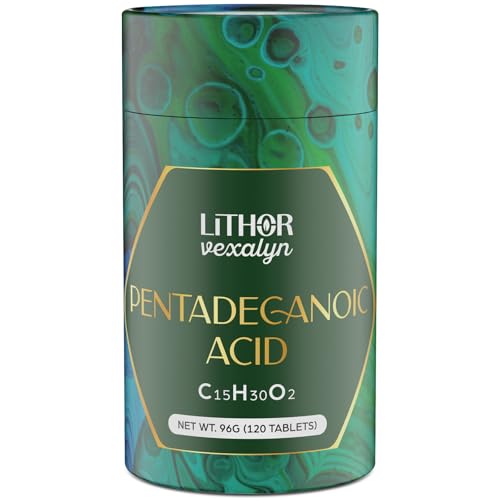
Because the active ingredient is the same molecule, a generic pentadecanoic acid supplement has essentially the same side-effect profile as branded Fatty15. Quality and testing differ between products, but the fatty acid itself behaves the same way. See our Fatty15 alternatives guide if you’re comparing options.

Frequently Asked Questions
Does Fatty15 have side effects?
Most people tolerate it well. The most commonly reported side effect is mild digestive upset, usually avoided by taking it with food. No consistent serious side effects have emerged at recommended doses.
Can Fatty15 cause weight gain?
There’s no evidence that C15:0 causes weight gain; the per-dose fat content is tiny. If anything, research associates C15:0 with favorable metabolic markers, though it is not a proven weight-loss aid.
Is it safe to take Fatty15 every day?
Fatty15 is designed for daily use, and C15:0 is a nutrient the body encounters through diet. Daily use at the recommended dose is consistent with how it’s studied. Check with your clinician if you have health conditions.
Can I take Fatty15 while pregnant?
There isn’t specific safety data for pregnancy, so anyone pregnant or breastfeeding should consult their clinician before taking Fatty15 or any supplement.
References
- Robinson MK et al. Pentadecanoic Acid Supplementation in Young Adults with Overweight and Obesity: A Randomized Controlled Trial. The Journal of nutrition (2024). PMID 39069269
- Pfeuffer M, Jaudszus A. Pentadecanoic and Heptadecanoic Acids: Multifaceted Odd-Chain Fatty Acids. Advances in nutrition (Bethesda, Md.) (2016). PMID 27422507
Related: Fatty15 Dosage · Fatty15 Review · Does Fatty15 Work?
These statements have not been evaluated by the Food and Drug Administration. This information is not intended to diagnose, treat, cure, or prevent any disease. Content is for informational purposes only and is not medical advice; consult a qualified healthcare provider before starting any supplement. As an Amazon Associate we earn from qualifying purchases.
