Pentadecanoic acid (C15:0) is a saturated odd-chain fatty acid found naturally in full-fat dairy and ruminant fats. Researchers at Epitracker have proposed it may support cellular health by integrating into cell membranes, acting as a partial PPAR-alpha and PPAR-delta agonist, and potentially reducing ferroptosis and markers of cellular senescence. Interest in C15:0 supplements has grown steadily, and one of the first questions people ask is straightforward: when will I actually notice something?
The honest answer is that direct human clinical trials specifically measuring C15:0 outcomes week by week remain limited. The proposed mechanisms are inherently slow—membrane remodeling, shifts in inflammatory signaling, and changes to cellular aging processes do not happen overnight. Drawing on the broader fatty acid supplementation literature and on the mechanistic research that does exist, this article maps out what a realistic timeline might look like and what factors could influence your individual experience. This is informational content, not medical advice.
Key Takeaways
- C15:0 works through gradual cell membrane incorporation; meaningful effects are unlikely before 4–8 weeks of consistent supplementation.
- Direct human clinical timeline data for C15:0 is limited; realistic expectations draw partly from the broader fatty acid supplementation literature.
- Cellular-level effects—senescence reduction, ferroptosis resistance—are proposed to accumulate over months, not days.
- Baseline dairy intake, dose, metabolic health, and age all influence how quickly, or whether, effects become detectable.
- Objective tracking via bloodwork at 12 weeks is more reliable than subjective self-assessment for evaluating individual response.
Why the Timeline Is Gradual: The Proposed Mechanisms
C15:0 is thought to exert its effects primarily by physically incorporating into phospholipid bilayers in cell membranes. Every cell in your body has a membrane, and those membranes turn over continuously—but not quickly. Full membrane fatty acid remodeling in most tissues is measured in weeks to months, not days. Until C15:0 reaches meaningful concentrations in your membranes, downstream effects on membrane fluidity, receptor signaling, and cellular stress resistance are likely to be minimal.
The partial PPAR-alpha and PPAR-delta agonism proposed for C15:0 is another mechanism that operates on a slow timescale. PPAR activation influences gene expression related to fatty acid oxidation, inflammation, and metabolic regulation. Changes in gene expression produce protein-level changes, which then produce measurable metabolic changes. This cascade typically plays out over multiple weeks. Similarly, the proposed effects on ferroptosis (a form of oxidative cell death) and cellular senescence are long-term cellular phenomena unlikely to be perceptible in the short run.
Comparing C15:0 to better-studied fatty acid supplements is instructive for framing expectations. Research on omega-3 supplementation in physically healthy adults found that effects on inflammation, muscle damage markers, and oxidative stress accumulated over multi-week supplementation periods in randomized controlled trials [1]. C15:0 is a different molecule with different proposed targets, but the principle that fatty acid incorporation into tissues takes time appears consistent across the class.
Weeks 1–4: The Foundation Phase
During the first month of supplementation, the main event is biochemical rather than perceptible. C15:0 begins entering circulation and gradually competing with other fatty acids for incorporation into cell membranes. If your baseline intake of C15:0 was very low—common in people who avoid full-fat dairy or consume only low-fat versions—your tissues may be starting from near zero, which means it takes longer to reach levels at which the proposed effects can begin to manifest.

Most people do not report dramatic changes during this window. Some individuals notice minor changes in digestive comfort or mild shifts in energy, though these early signals are anecdotal and could reflect expectation effects. At studied doses of 100–300 mg per day, no serious adverse events have been reported in published research, and tolerability in this early phase appears to be good.
This is a phase to focus on consistency rather than results. Skipping doses or frequently changing timing undermines the steady-state accumulation that the proposed mechanism requires.
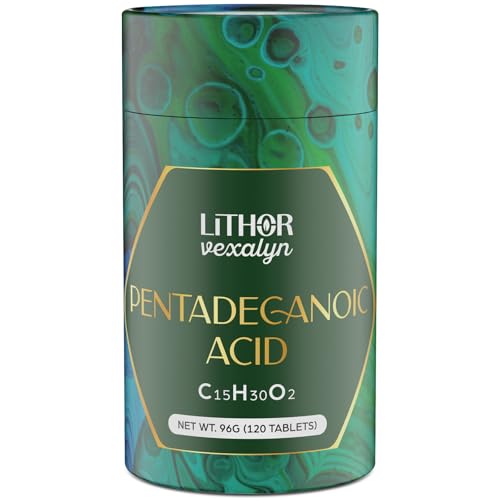
Weeks 4–8: Early Possible Changes
By the four- to eight-week mark, some individuals and researchers have noted preliminary changes in subjective energy and minor metabolic markers, though C15:0-specific clinical data at this interval is still limited. For context, a study of omega-3 fatty acid supplementation examining cognitive function and metabolic outcomes in overweight and obese individuals on a weight-loss diet found that measurable changes in assessed parameters emerged within a comparable multi-week supplementation timeframe [2]. Omega-3s are structurally distinct from C15:0, but both illustrate that fatty acid-mediated outcomes require sustained intake before becoming detectable.
If C15:0 is influencing inflammatory signaling through PPAR pathways, the four-to-eight-week window is when early downstream shifts in inflammatory markers might begin to show up in blood panels for those tracking them. These changes would not typically be felt directly. If you are supplementing for a general wellness goal rather than tracking a specific biomarker, patience throughout this phase is warranted.
Weeks 8–16 and Beyond: Longer-Term Cellular Effects
The most substantial effects proposed for C15:0—reduced cellular senescence, protection against ferroptosis, improved membrane stability across multiple tissue types—operate on biological timescales measured in months. Dietary fatty acid supplementation reversing aging-related cellular changes has been demonstrated over extended periods in animal models [3], underscoring that meaningful cellular remodeling is not a weeks-long process. Human trials confirming equivalent timelines specifically for C15:0 are not yet abundant.
At the 12-to-16-week mark, people tracking specific markers—triglycerides, hsCRP, or red blood cell fatty acid composition—are more likely to see measurable signals than those relying solely on subjective assessment. Subjective improvements, if they occur, may be subtle: slightly better energy regulation, improved sleep quality, or a general sense of resilience that is difficult to attribute definitively without a comparison condition.
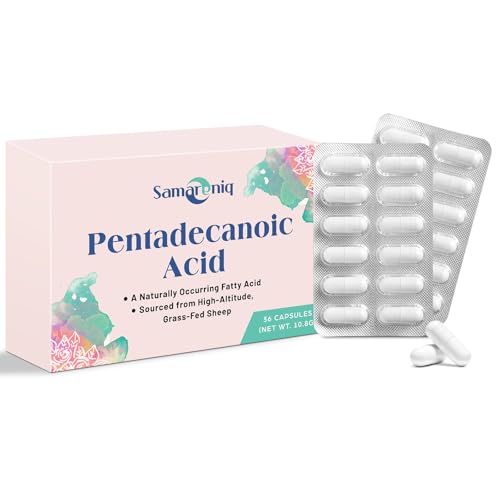
Ongoing supplementation beyond four months is where proposed long-term benefits like reduced cellular aging and sustained membrane integrity are hypothesized to compound. However, direct long-term human trial data for C15:0 remains an area where research is still actively developing, and those expectations should be held accordingly.

Factors That Shape Your Individual Timeline
Your baseline C15:0 status is probably the single biggest variable. People who regularly consume substantial amounts of full-fat dairy already have higher circulating C15:0 levels and will require less repletion time compared to someone on a low-dairy or entirely dairy-free diet. Starting from a lower baseline means the foundation phase may extend before tissue levels reach ranges where proposed effects could begin.
Dose matters, but the relationship is not simply ‘more is faster.’ Studied doses of 100–300 mg per day represent the range where published safety and preliminary efficacy data exist. There is no established evidence that exceeding this range accelerates results, and moving beyond studied doses enters territory where safety data is thin.
Overall diet quality, metabolic health, and age also play a role. High intake of competing long-chain saturated fatty acids, significant chronic inflammation from other sources, or impaired metabolic function may all affect how efficiently C15:0 is incorporated and utilized. These variables have not been formally studied in the context of C15:0 supplementation timelines, so individual variation should be expected.
How to Assess Whether It Is Working
Because many proposed C15:0 effects occur at the cellular level and are not immediately symptomatic, subjective self-assessment is an unreliable primary metric. If you have access to baseline bloodwork—lipid panels, inflammatory markers like hsCRP, or red blood cell fatty acid profiling—establishing that baseline before starting and retesting at the 12-week mark gives you the most objective signal currently available.

For people supplementing primarily for general wellness, set a realistic reassessment point at 12–16 weeks. Before that threshold, a lack of obvious subjective change should not be interpreted as failure; the proposed mechanism does not predict rapid perceptible effects. After 16 weeks of consistent supplementation at a studied dose, a genuine absence of any change in tracked markers or subjective function is a reasonable point to consult a healthcare provider and reassess.
C15:0 is not intended to replace established interventions for any diagnosed condition. The FDA has not evaluated pentadecanoic acid for the treatment or prevention of any disease, and its classification as a newly essential fatty acid remains a hypothesis advanced by Epitracker researchers that has not yet been formally adopted by regulatory agencies or mainstream nutrition science.
🛒 Where to Buy Pentadecanoic Acid (C15:0)
- Epitracker Fatty15 C15:0 Fatty Acid SupplementLab-tested / studied
capsules, 100 mg C15:0 per capsule; 1 capsule/day starter, 2 capsules/day maintenance — Category creator; the only C15:0 supplement backed by the original Epitracker research team (Venn-Watson et al.); uses a patented, sustainably-sourced pure C15:0 ingredient; most expensive per-capsule but reference product for all comparisons - Double Wood Supplements Pentadecanoic Acid C15:0
capsules, 200 mg C15:0 per serving (2 capsules) — One of the first genericized C15:0 supplements; significantly lower price than Fatty15; no independent clinical trials on this specific product; good option for budget-conscious buyers who want to trial the fatty acid - Sports Research Pentadecanoic Acid C15:0
softgels, 100 mg C15:0 per softgel — Established supplement brand with strong Amazon presence; third-party tested; softgel form may aid fat-soluble absorption; competitively priced mid-tier option - BulkSupplements Pentadecanoic Acid Powder (C15:0)
powder, 100–300 mg per measured serving — Most economical option for higher-dose protocols or stackers; requires a milligram-accurate scale; no excipients or additives; not recommended for beginners unfamiliar with powder dosing
As an Amazon Associate we earn from qualifying purchases. C15:0 products vary widely in how much pentadecanoic acid they actually contain, so check that the Supplement Facts panel lists C15:0 in milligrams as its own line item rather than bundling it into a fatty acid blend, and that the per-serving dose falls in the 100–300 mg range used in published research.

A Note on the Evidence
C15:0 research is still early-stage; most evidence comes from in-vitro studies, animal models, and limited human trials primarily from a single research group. The FDA has not evaluated pentadecanoic acid for any disease indication, and its proposed essential status is not yet formally recognized by regulatory or mainstream scientific bodies. Individuals with existing health conditions, those taking medications affecting lipid metabolism or PPAR pathways, pregnant or breastfeeding individuals, and anyone with concerns about fatty acid metabolism should consult a qualified healthcare provider before starting C15:0 supplementation.

Frequently Asked Questions
Can I feel C15:0 working within the first week?
It is unlikely. The proposed mechanisms—membrane remodeling, PPAR activation, and effects on cellular aging pathways—operate on timescales of weeks to months. Any effects felt within days are more plausibly attributable to expectation or lifestyle changes coinciding with starting supplementation. Fatty acid supplementation research consistently shows that functional changes require sustained multi-week intake before becoming measurable [1].
How does C15:0's timeline compare to omega-3 supplements?
The timelines are broadly similar at the level of mechanism. Both omega-3s and C15:0 work partly through membrane incorporation and inflammatory signaling pathways, and both require weeks of consistent supplementation before showing measurable effects in studies [2]. C15:0 has a distinct mechanism profile—particularly its proposed PPAR agonism—so direct comparison has limits, but an 8-to-12-week window for early biomarker changes appears consistent across fatty acid classes.
Does taking a higher dose speed up results?
There is no published evidence that exceeding the 100–300 mg/day studied dose range accelerates results. Higher doses enter territory without established safety or efficacy data. The likely rate-limiting step is cellular uptake and membrane remodeling, which are biological processes that proceed at their own pace regardless of how much circulating C15:0 is available.
What if I notice nothing after 8 weeks?
Eight weeks may still be too early for effects to be subjectively perceptible, particularly for cellular-level outcomes. Most proposed C15:0 benefits do not produce a distinct felt sensation. Consider extending your trial to 12–16 weeks and, where possible, use objective tracking such as bloodwork rather than relying solely on how you feel. After 16 weeks of consistent use, consult a healthcare provider if you have specific health concerns.
Are the proposed long-term cellular benefits proven in humans?
Not definitively. Research on dietary fatty acid supplementation reversing aging-related cellular changes has been demonstrated in animal models [3], but large, long-term, controlled human trials specifically for C15:0 are not yet widely available. The proposed benefits regarding cellular senescence and ferroptosis resistance are mechanistically plausible and supported by in-vitro and animal data, but human confirmation at scale remains an active area of research.
Should C15:0 be taken with food?
As a fat-soluble compound, C15:0 is generally recommended to be taken with a meal containing fat to support absorption—consistent with how other fat-soluble supplements are typically administered. No specific mealtime has been shown in published research to dramatically alter efficacy or the overall timeline for results.
References
- Fernández-Lázaro D et al. Omega-3 Fatty Acid Supplementation on Post-Exercise Inflammation, Muscle Damage, Oxidative Response, and Sports Performance in Physically Healthy Adults-A Systematic Review of Randomized Controlled Trials. Nutrients (2024). PMID 38999792
- Salman HB et al. The effect of omega-3 fatty acid supplementation on weight loss and cognitive function in overweight or obese individuals on weight-loss diet. Nutricion hospitalaria (2022). PMID 35815739
- Gao F et al. Retinal polyunsaturated fatty acid supplementation reverses aging-related vision decline in mice. Science translational medicine (2025). PMID 40991728
These statements have not been evaluated by the Food and Drug Administration. This information is not intended to diagnose, treat, cure, or prevent any disease. Content is for informational purposes only and is not medical advice; consult a qualified healthcare provider before starting any supplement. As an Amazon Associate we earn from qualifying purchases.
