Fatty15 Food Sources: How to Get C15:0 Naturally
Before it was a supplement, C15:0, the ingredient in Fatty15, was just a nutrient in food. So a fair question is whether you can get “Fatty15” (really C15:0) from your diet instead of a capsule. You can get some, but the amounts are small, which is exactly why supplements exist. Here are the best natural food sources of C15:0 and how they compare to supplementing.
Where C15:0 Comes From in Food
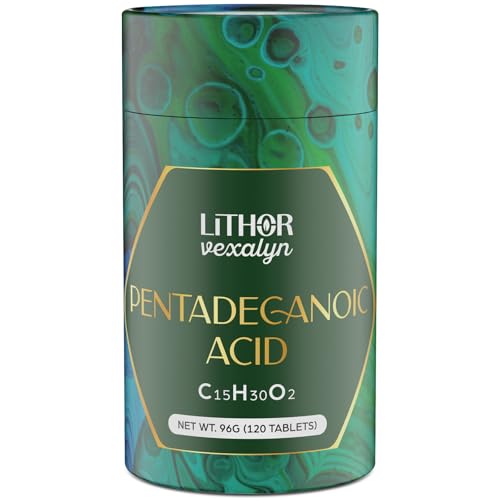
Pentadecanoic acid (C15:0) is an odd-chain saturated fatty acid produced largely by bacteria, including those in the guts of ruminant animals (cows, goats, sheep). That’s why it shows up mainly in dairy fat and, to a lesser extent, in some fish.
Best Natural Food Sources of C15:0
- Whole-fat dairy: butter, whole milk, full-fat yogurt, and cheeses are the richest common dietary sources. Note the emphasis on whole-fat, C15:0 is in the fat, so skim and low-fat versions have far less.
- Certain fish: some fish contain modest amounts of C15:0.
- Ruminant meats: beef and lamb fat contribute smaller amounts.
The Catch: Amounts Are Small
Even the best food sources contain only trace amounts of C15:0 relative to a supplemental dose. To reach a research-relevant intake through diet alone, you’d need to eat a lot of whole-fat dairy, which brings other considerations. This gap between dietary and supplemental amounts is the core reason products like Fatty15 exist.
Food vs Supplement: Which Should You Choose?
A diet that includes some whole-fat dairy provides a natural baseline of C15:0 and other nutrients. But if you specifically want to raise your C15:0 level to the amounts studied in research, a supplement is far more reliable and precise. Many people do both, some whole-fat dairy in the diet plus a supplement for a consistent dose.
If you go the supplement route, you don’t need the premium brand to get the molecule, a generic C15:0 supplement delivers the same fatty acid. See our Fatty15 review for the branded-vs-generic decision.
Frequently Asked Questions
What foods contain C15:0 (the ingredient in Fatty15)?
Whole-fat dairy (butter, whole milk, full-fat yogurt, cheese) is the richest common source, with smaller amounts in some fish and ruminant meats. C15:0 lives in the fat, so full-fat versions matter.

Can I get enough C15:0 from food?
Food provides only small, trace amounts relative to a supplemental dose. Getting a research-relevant intake from diet alone is difficult, which is why supplements exist.
Is dietary C15:0 as good as Fatty15?
Dietary C15:0 is a fine baseline, but a supplement delivers a consistent, precise dose. If your goal is to reliably raise your C15:0 level, a supplement is more effective than food alone.
Do I still need Fatty15 if I eat dairy?
Whole-fat dairy gives you some C15:0, but not the amounts studied in research. If you want that higher, consistent intake, a supplement (branded or generic) is the reliable way to get it.
References
- Pfeuffer M, Jaudszus A. Pentadecanoic and Heptadecanoic Acids: Multifaceted Odd-Chain Fatty Acids. Advances in nutrition (Bethesda, Md.) (2016). PMID 27422507
- Santaren ID et al. Serum pentadecanoic acid (15:0), a short-term marker of dairy food intake, is inversely associated with incident type 2 diabetes and its underlying disorders. The American journal of clinical nutrition (2014). PMID 25411288
- USDA FoodData Central – food composition database. fdc.nal.usda.gov
Related: Fatty15 Ingredients · Fatty15 Alternatives · Fatty15 Review
These statements have not been evaluated by the Food and Drug Administration. This information is not intended to diagnose, treat, cure, or prevent any disease. Content is for informational purposes only and is not medical advice; consult a qualified healthcare provider before starting any supplement. As an Amazon Associate we earn from qualifying purchases.
