Fatty15 vs Fish Oil: Which Fatty Acid Supplement Do You Actually Need?
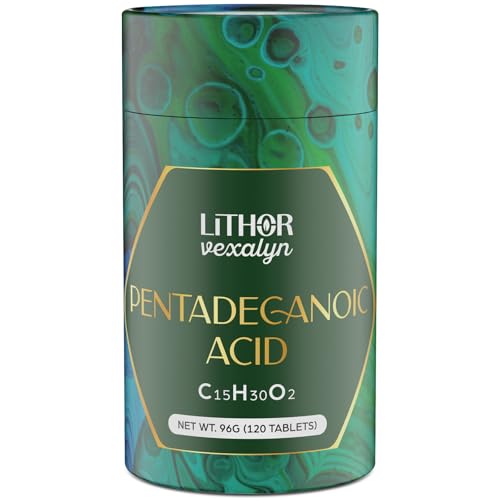
Fatty15 and fish oil are both “healthy fat” supplements, so it’s natural to wonder whether one replaces the other. They don’t. Fatty15 delivers C15:0 (pentadecanoic acid), an odd-chain saturated fatty acid; fish oil delivers omega-3s (EPA and DHA), long-chain polyunsaturated fats. They are different molecules with different roles, and the honest answer is that they complement each other more than they compete.
The Core Difference
Fish oil’s omega-3s are best known for cardiovascular and anti-inflammatory support and are among the most-studied supplements in the world. C15:0 is a newer focus, researched for cell-membrane stability and metabolic and liver markers. One is a decades-established staple; the other is a promising newcomer.
Fatty15 vs Fish Oil: Side-by-Side
| Fatty15 (C15:0) | Fish Oil (Omega-3) | |
|---|---|---|
| Fatty acid type | Odd-chain saturated (C15:0) | Long-chain polyunsaturated (EPA/DHA) |
| Main research focus | Cell membranes, metabolic & liver markers | Heart, triglycerides, inflammation, brain |
| Evidence base | Promising but early | Extensive, decades of trials |
| Source | Plant-based (FA15) or dairy/fish traces | Fish or algae |
| Common issue | Rare mild stomach upset | Fishy aftertaste/burps |
Does Fatty15 Replace Fish Oil?
No. Fatty15 does not provide omega-3s, so it cannot deliver the specific EPA/DHA benefits fish oil is taken for. If your reason for taking fish oil is omega-3 intake (heart, triglycerides, brain), Fatty15 is not a substitute. Conversely, fish oil does not provide C15:0. The marketing that positions C15:0 as a “next-generation” fat doesn’t mean it does the same job as omega-3.
Should You Take Both?
Many people reasonably take both, omega-3s for their well-established benefits and C15:0 for its distinct membrane and metabolic research. There’s no known conflict. If budget forces a choice, decide by goal: omega-3 for established cardiovascular support, C15:0 if you’re specifically interested in the pentadecanoic acid research.
If you do want C15:0, you can get the molecule without the premium brand, see our Fatty15 alternatives, and our Fatty15 review for whether the branded version is worth it.
Frequently Asked Questions
Is Fatty15 better than fish oil?
Neither is “better”, they contain different fatty acids and do different things. Fish oil provides omega-3s (well-established heart and anti-inflammatory support); Fatty15 provides C15:0 for membrane and metabolic research. They complement rather than replace each other.
Can Fatty15 replace my omega-3 supplement?
No. Fatty15 contains no omega-3 (EPA/DHA), so it can’t deliver those specific benefits. If you take fish oil for omega-3s, keep it; Fatty15 is a separate addition, not a swap.

Should I take Fatty15 and fish oil together?
There’s no known interaction, and they target different systems, so taking both is common and reasonable. Take each with food.
Does Fatty15 have omega-3?
No. Fatty15’s only ingredient is C15:0 (pentadecanoic acid), a saturated fatty acid, not an omega-3.
References
- Venn-Watson S et al. Efficacy of dietary odd-chain saturated fatty acid pentadecanoic acid parallels broad associated health benefits in humans: could it be essential? Scientific reports (2020). PMID 32424181
- Calder PC. Omega-3 fatty acids and inflammatory processes: from molecules to man. Biochemical Society transactions (2017). PMID 28900017
Related: Fatty15 vs NMN & NAD+ · Fatty15 Review · Fatty15 Alternatives
These statements have not been evaluated by the Food and Drug Administration. This information is not intended to diagnose, treat, cure, or prevent any disease. Content is for informational purposes only and is not medical advice; consult a qualified healthcare provider before starting any supplement. As an Amazon Associate we earn from qualifying purchases.
