Pentadecanoic acid, a saturated odd-chain fatty acid known as C15:0, has drawn growing scientific attention for its potential roles in metabolic and cellular health. Found naturally in full-fat dairy products and the fat of ruminant animals, it has historically been overlooked in nutrition research. More recently, researchers at Epitracker have proposed that C15:0 may function as an essential fatty acid — a classification not yet formally adopted by regulatory bodies — based on its integration into cell membranes and a range of proposed biological activities.
Among the areas being explored is mental health: specifically, whether C15:0 might influence mood, anxiety, and cognitive function through its effects on inflammation, cellular aging, and mitochondrial activity. This article summarizes what the available published research suggests, where the evidence is genuinely limited, and what remains speculative. Nothing here constitutes medical advice, and the FDA has not evaluated C15:0 for the treatment or prevention of any mental health condition.
Key Takeaways
- C15:0 shows biologically plausible connections to brain health through PPAR receptor activation, anti-inflammatory activity, and anti-ferroptotic properties in cell and animal research [1][2].
- No human clinical trials have tested C15:0 specifically for depression or anxiety; current evidence is preliminary and mechanism-based.
- A 2025 dolphin study identified C15:0 as having potential cognitive health-supporting roles in the context of neuroinflammation and amyloid pathology, but animal findings require human validation [2].
- Human milk phospholipid research suggests lipid quality matters for long-term cognitive development, though C15:0 is one component among many [3].
- C15:0 supplements at studied doses (100–300 mg/day) appear well-tolerated; the FDA has not approved them for any mental health indication.
What Is C15:0 and How Might It Affect the Brain?
Pentadecanoic acid (C15:0) is a 15-carbon saturated fatty acid that differs structurally from the even-chain saturated fats more commonly discussed in nutrition. Unlike palmitic acid (C16:0), which is associated with cellular inflammation at high doses, C15:0 is an odd-chain fatty acid that behaves differently once incorporated into cell membranes. Researchers have proposed that its integration into membranes may improve their structural integrity and reduce fragility — a property potentially relevant to neuronal cell health.
Two mechanisms are most frequently cited in connection with brain and mood function. First, C15:0 appears to act as a partial agonist at PPAR-alpha and PPAR-delta receptors, which regulate fat metabolism and inflammatory signaling. These receptors are expressed in brain tissue and have been linked to mood regulation and neuroinflammation. Second, C15:0 has been studied in the context of ferroptosis — a form of iron-dependent cell death associated with oxidative stress — and cellular senescence, both of which are implicated in aging-related cognitive decline. These mechanisms are proposed based on laboratory and cell-based research, not established clinical pathways.
Cell-Based Evidence: Activity Across Disease-Relevant Systems
A 2022 study published in PloS One evaluated C15:0 across twelve primary human cell-based disease systems, comparing its activities to omega-3 fatty acids [1]. The research found that C15:0 demonstrated broader and, in some respects, safer activity profiles than omega-3 across multiple systems. Among the areas showing activity were pathways relevant to immune function, metabolic regulation, and cellular aging. The authors noted that C15:0 activated PPAR-alpha and PPAR-delta receptors and showed anti-ferroptotic properties — meaning it appeared to reduce a form of cell death linked to iron overload and oxidative damage [1].

While this study did not measure mood or cognition directly, the cell systems studied included pathways connected to neuroinflammation and mitochondrial function. Mitochondrial dysfunction is well-established as a contributor to depression and fatigue in clinical research. The PPAR pathways activated by C15:0 are also involved in regulating neuroinflammatory responses. These connections are biologically plausible, but translating cell-based findings to human mental health outcomes requires significantly more research.
C15:0 and Neurodegeneration: Insights From a Dolphin Model
One of the more unusual bodies of evidence comes from research on bottlenose dolphins. A 2025 study in the International Journal of Molecular Sciences examined aging-associated amyloid-beta plaques and neuroinflammation in bottlenose dolphins (Tursiops truncatus), which develop Alzheimer’s-like brain changes as they age [2]. The researchers identified C15:0 as having novel cognitive health-supporting roles based on its activity in the context of neuroinflammation and amyloid pathology [2].
The study is noteworthy because dolphins, like humans, are long-lived mammals with complex social cognition, making them a biologically relevant model for certain aspects of aging-related brain disease. The proposed roles of C15:0 in this context included reducing neuroinflammatory signaling and potentially supporting cellular resilience in aging brain tissue. However, animal and comparative biology findings do not translate automatically to human clinical outcomes. This research is hypothesis-generating, not confirmatory of benefit in humans.
The connection to depression and anxiety specifically is indirect: neuroinflammation is increasingly recognized as a contributing factor in mood disorders, particularly treatment-resistant depression. If C15:0 does modulate neuroinflammatory pathways as proposed, that could theoretically be relevant to mood. But this chain of reasoning requires human clinical validation before any claims can be made.
Early Life Nutrition, Brain Phospholipids, and C15:0
A 2025 study in the European Journal of Nutrition investigated the long-term cognitive benefits of human milk phospholipids in breastfed children assessed at preschool age, as part of the MUAI study [3]. The research found associations between phospholipid exposure through breast milk and cognitive outcomes measured years later [3]. Human breast milk contains C15:0 among its lipid components, and phospholipids derived from milk fat globule membrane are recognized for their roles in early brain development.
This study does not isolate C15:0 as the operative component — the effects measured were attributed to the phospholipid fraction broadly — but it supports the relevance of odd-chain fatty acids and specific lipid structures to brain development and cognitive function across the lifespan [3]. The relevance to adult mental health is extrapolated rather than direct. Early developmental windows differ substantially from adult supplementation contexts.

What Does This Mean for Depression and Anxiety Specifically?
To be direct: no published human clinical trial has tested C15:0 supplementation as a treatment or preventive intervention for depression or anxiety. The pathway from the available evidence to those conditions runs through proposed mechanisms — PPAR activation, reduced neuroinflammation, anti-ferroptotic effects — that are biologically plausible but not yet demonstrated in human mood disorder research.
The case for a potential connection rests on several observations in the broader literature: chronic low-grade neuroinflammation is associated with depressive symptoms; mitochondrial dysfunction appears in both depression and anxiety disorders; and dietary fat quality influences brain membrane composition, which in turn affects neurotransmitter signaling. C15:0’s proposed roles in each of these areas make it a reasonable candidate for future study. That is meaningfully different from evidence that it helps.
Observational data linking low dairy fat intake with higher rates of depression in some populations has been noted in nutritional epidemiology, but such associations are confounded by dozens of dietary and lifestyle variables and do not establish C15:0 as the causative factor. Anyone managing depression or anxiety should work with a qualified clinician rather than rely on emerging nutrient research as a primary strategy.
Safety Profile and Studied Doses
Published research on C15:0 supplementation, primarily from Epitracker researchers, has used doses in the range of 100–300 mg per day. At these levels, no serious adverse events have been reported in the studies conducted to date [1]. The supplement form studied is typically a purified fatty acid ethyl ester. Food sources include butter, cheese, whole milk, and the fat of grass-fed ruminants, where C15:0 concentrations vary depending on the animal’s diet.

Because this is a relatively new area of supplement research, long-term safety data beyond the periods studied are not yet available. People on medications — particularly those affecting lipid metabolism, PPAR pathways, or immune function — should consult a healthcare provider before adding C15:0 supplements. Pregnant or breastfeeding individuals and those with existing metabolic or liver conditions should also seek medical guidance.
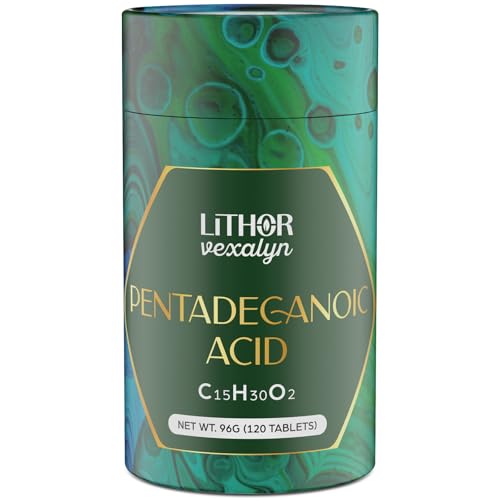
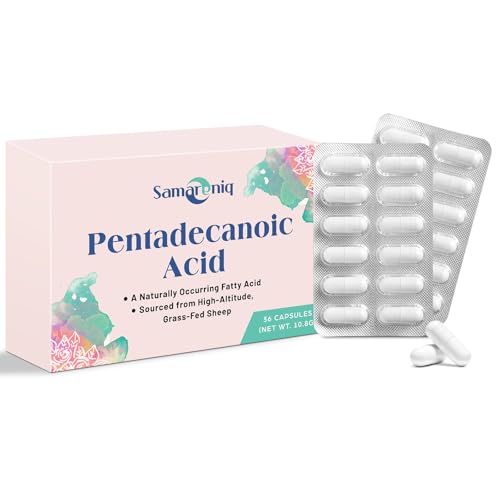
🛒 Where to Buy Pentadecanoic Acid (C15:0)
- Epitracker Fatty15 C15:0 Fatty Acid SupplementLab-tested / studied
capsules, 100 mg C15:0 per capsule; 1 capsule/day starter, 2 capsules/day maintenance — Category creator; the only C15:0 supplement backed by the original Epitracker research team (Venn-Watson et al.); uses a patented, sustainably-sourced pure C15:0 ingredient; most expensive per-capsule but reference product for all comparisons - Double Wood Supplements Pentadecanoic Acid C15:0
capsules, 200 mg C15:0 per serving (2 capsules) — One of the first genericized C15:0 supplements; significantly lower price than Fatty15; no independent clinical trials on this specific product; good option for budget-conscious buyers who want to trial the fatty acid - Sports Research Pentadecanoic Acid C15:0
softgels, 100 mg C15:0 per softgel — Established supplement brand with strong Amazon presence; third-party tested; softgel form may aid fat-soluble absorption; competitively priced mid-tier option - BulkSupplements Pentadecanoic Acid Powder (C15:0)
powder, 100–300 mg per measured serving — Most economical option for higher-dose protocols or stackers; requires a milligram-accurate scale; no excipients or additives; not recommended for beginners unfamiliar with powder dosing
As an Amazon Associate we earn from qualifying purchases. C15:0 products vary widely in how much pentadecanoic acid they actually contain, so check that the Supplement Facts panel lists C15:0 in milligrams as its own line item rather than bundling it into a fatty acid blend, and that the per-serving dose falls in the 100–300 mg range used in published research.
A Note on the Evidence
The evidence connecting C15:0 to mental health outcomes is preliminary, consisting primarily of cell-based and animal research with no human clinical trials yet completed for depression, anxiety, or cognitive function specifically; individuals with mental health conditions, those on psychiatric or metabolic medications, and pregnant or breastfeeding individuals should consult a qualified healthcare provider before considering C15:0 supplementation.


Frequently Asked Questions
Can C15:0 treat depression or anxiety?
No published human clinical trial supports C15:0 as a treatment for depression or anxiety. The available research is cell-based and animal-based, with proposed mechanisms that are biologically interesting but not yet validated in human mood disorder trials [1][2]. Anyone experiencing depression or anxiety should consult a qualified mental health professional.
What mechanisms might connect C15:0 to brain health?
Researchers propose that C15:0 acts as a partial PPAR-alpha and PPAR-delta agonist, which could modulate neuroinflammatory signaling, and that it may reduce ferroptosis — a form of oxidative cell death relevant to neuronal health [1]. It also integrates into cell membranes, potentially improving their structural stability. These mechanisms are proposed from laboratory evidence, not confirmed in human brain health studies.
Why was C15:0 studied in dolphins?
Bottlenose dolphins develop aging-associated amyloid-beta plaques and neuroinflammation similar to Alzheimer’s disease in humans, making them a biologically relevant comparative model for age-related cognitive decline [2]. Researchers identified C15:0 as potentially supporting cognitive health in this context, though findings in dolphins require further investigation before conclusions about human application can be drawn.
Is C15:0 found in breast milk, and does that relate to cognitive development?
Human breast milk contains C15:0 as part of its lipid fraction, including milk fat globule membrane phospholipids. A 2025 study found long-term cognitive benefits associated with human milk phospholipid exposure in children assessed at preschool age, suggesting lipid quality in early nutrition matters for brain development [3]. However, the study examined the phospholipid fraction broadly, not C15:0 in isolation.
Is C15:0 truly an 'essential' fatty acid?
The classification of C15:0 as an essential fatty acid is a hypothesis advanced by Epitracker researchers based on observational associations and mechanistic studies [1]. It has not been formally adopted by regulatory bodies, mainstream nutrition science organizations, or the FDA. This designation remains scientifically debated and should be understood as a research hypothesis, not established nutritional science.
What doses have been studied, and are they safe?
Research on C15:0 supplementation has primarily used doses of 100–300 mg per day. No serious adverse events have been reported at these doses in published studies [1]. Long-term safety data beyond studied periods are limited, and individuals with metabolic conditions, those on relevant medications, or those who are pregnant or breastfeeding should consult a healthcare provider before supplementing.
References
- Venn-Watson SK et al. Broader and safer clinically-relevant activities of pentadecanoic acid compared to omega-3: Evaluation of an emerging essential fatty acid across twelve primary human cell-based disease systems. PloS one (2022). PMID 35617322
- Venn-Watson S et al. Aging-Associated Amyloid-β Plaques and Neuroinflammation in Bottlenose Dolphins (Tursiops truncatus) and Novel Cognitive Health-Supporting Roles of Pentadecanoic Acid (C15:0). International journal of molecular sciences (2025). PMID 40332352
- Yang MT et al. Long-term cognitive benefits of human milk phospholipids in breastfed children at preschool age: results from MUAI study. European journal of nutrition (2025). PMID 40986082
These statements have not been evaluated by the Food and Drug Administration. This information is not intended to diagnose, treat, cure, or prevent any disease. Content is for informational purposes only and is not medical advice; consult a qualified healthcare provider before starting any supplement. As an Amazon Associate we earn from qualifying purchases.
