Cellular aging research has expanded well beyond antioxidants. Two compounds have attracted growing scientific and consumer interest: nicotinamide mononucleotide (NMN) and related NAD+ precursors, which work through energy metabolism and gene-regulation pathways, and pentadecanoic acid (C15:0), an odd-chain saturated fatty acid naturally found in full-fat dairy and some fish fats, proposed to operate at the level of cell membranes and metabolic receptors. Despite sharing the broad goal of supporting cellular health as we age, these compounds are chemically unrelated and appear to act through distinct mechanisms.
Understanding how each works, what the current research genuinely supports, and where the evidence remains thin helps consumers make better-informed decisions. Neither compound is a cure for aging, and neither has been approved by the FDA to treat or prevent any disease. What follows is a factual comparison of the proposed biology, the research landscape, and practical considerations for each, presented as informational content and not medical advice.
Key Takeaways
- NMN works primarily by restoring NAD+ levels, which supports mitochondrial function and sirtuin-mediated gene regulation; this mechanism has a relatively well-developed preclinical and early human research base [1][2].
- C15:0 is proposed to act through membrane stabilization, PPAR receptor agonism, and reduced ferroptosis, mechanisms that are structurally distinct from those of NAD+ precursors and that are at an earlier stage of human evidence.
- Both compounds have been proposed to reduce markers of cellular senescence, but through different biological entry points, and they are not interchangeable; they may potentially be complementary.
- Neither NMN/NAD+ precursors nor C15:0 are FDA-approved to treat or prevent any disease, and robust long-term human trial data is lacking for both.
- Research maturity currently favors NMN, given more independent human trials; C15:0 evidence is promising but largely originates from a single research group and awaits broader independent replication.
How NAD+ Declines With Age and Why Researchers Are Interested
Nicotinamide adenine dinucleotide (NAD+) is a coenzyme involved in hundreds of cellular reactions, including energy production in the mitochondria and the activation of sirtuins, a family of proteins linked to gene regulation, DNA repair, and metabolic homeostasis. NAD+ levels fall measurably with age in most tissues, and this decline has been proposed as a contributing factor to age-related metabolic dysfunction. A benefit/risk analysis published in Experimental Gerontology concluded that NAD+ replenishment strategies show genuine promise in the context of age-related degenerative disorders, while also noting that long-term safety data in humans remains limited [2].
One enzymatic consumer of NAD+ is CD38, a glycohydrolase whose activity increases with aging and chronic inflammation. Research examining CD38 activity in lung tissue found that elevated CD38 reduces intracellular NAD+ availability, which in turn activates senescence-associated pathways in alveolar epithelial cells [3]. This illustrates a broader dynamic: declining NAD+ is not simply a downstream side effect of aging but may actively accelerate the accumulation of senescent cells, which secrete inflammatory factors that damage surrounding tissue.
What NMN Research Currently Shows
NMN is a direct biosynthetic precursor to NAD+ and one of the most studied compounds for NAD+ restoration. In a 2022 study published in the International Journal of Molecular Sciences, NMN supplementation was shown to improve mitochondrial dysfunction and rescue cellular senescence in mesenchymal stem cells through activation of the NAD+/Sirt3 signaling pathway, specifically by increasing mitochondrial membrane potential and reducing markers of oxidative stress [1]. This is notable because mesenchymal stem cells contribute to tissue repair, and their premature senescence is associated with impaired regeneration.

A 2025 study investigated NMN delivered via small extracellular vesicles derived from stromal cells and found that this approach activated NAD+/SIRT3 signaling, promoted mitochondrial autophagy, and reduced oxidative aging markers in skin [4]. While the delivery method in that study is experimental and not directly translatable to oral supplementation, it reinforces that the NAD+/SIRT3 axis is a mechanistically coherent target in cellular aging. Most current human trials of oral NMN use doses ranging from 250 to 900 mg per day; results are mixed and sample sizes are generally small, meaning robust efficacy conclusions in humans are premature.
C15:0: A Membrane-Level Approach to Cellular Health
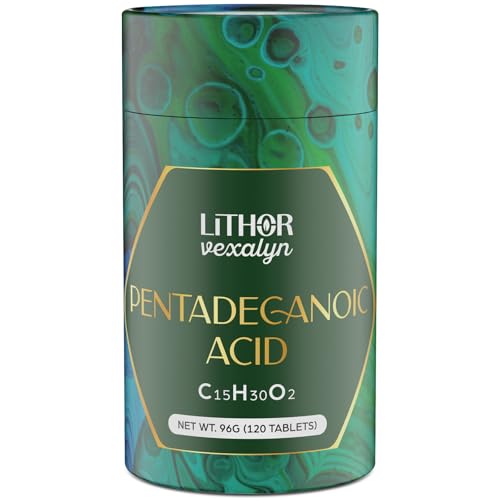
Pentadecanoic acid (C15:0) is a 15-carbon odd-chain saturated fatty acid found primarily in full-fat dairy products and ruminant fats. Unlike most saturated fatty acids, odd-chain fats are not produced in meaningful amounts by the human body through de novo lipogenesis, so tissue levels depend almost entirely on dietary intake. Researchers at Epitracker, Inc. have proposed that C15:0 may function as an essential fatty acid, a designation that would place it alongside omega-3s in nutritional importance, though this classification has not been formally adopted by regulatory bodies or mainstream nutrition science.
The proposed mechanisms for C15:0 are structurally distinct from those of NAD+ precursors. First, C15:0 is thought to incorporate into cell membranes, where it may improve stability by reducing membrane fluidity and vulnerability to lipid peroxidation, a process central to ferroptosis, a form of iron-dependent cell death linked to aging and neurodegeneration. Second, C15:0 acts as a partial agonist at PPAR-alpha and PPAR-delta receptors, which regulate fatty acid oxidation, mitochondrial biogenesis, and anti-inflammatory signaling. Third, in vitro and animal studies from the Epitracker group have associated C15:0 with reduced markers of cellular senescence. Research on other fatty acids provides a useful structural analogy: DHA supplementation has been shown to alter phospholipid species composition and lipid peroxidation products in brain, heart, and plasma, demonstrating that dietary fatty acids can meaningfully remodel membrane biochemistry [5]. Whether C15:0 produces similarly meaningful membrane effects in humans at supplement doses, typically 100 to 300 mg per day, remains an open research question.
A pilot study examining a diet formulated to include proposed geroprotective compounds found measurable changes in aging-associated biochemical markers in domestic cats, though this research is early-stage and not directly applicable to human supplementation [6]. The broader point is that dietary lipid composition is increasingly recognized as a modifiable variable in aging biology, which gives the C15:0 hypothesis a plausible theoretical foundation even as direct human evidence accumulates.

Mechanistic Comparison: Energy Metabolism vs. Membrane Integrity
NAD+ precursors like NMN operate primarily through cellular energy metabolism and epigenetic regulation. Restoring NAD+ activates sirtuins, particularly SIRT1 and SIRT3, which deacetylate mitochondrial proteins, reduce oxidative stress, and modulate gene expression programs associated with aging. Mitochondrial dysfunction is a well-documented feature of cellular senescence, and the NAD+/sirtuin axis represents one of the better-characterized mechanistic targets for addressing it [7]. Researchers working on mitochondria-targeted interventions for sarcopenia, the age-related loss of muscle mass, have also found that addressing cellular senescence through energy-restoration strategies can help preserve muscle function [8], reinforcing the central role of mitochondrial health across aging tissues.
C15:0, by contrast, is proposed to act upstream of mitochondria at the membrane level and through receptor-mediated signaling. PPAR-delta activation in particular has been linked to mitochondrial biogenesis and fatty acid oxidation capacity, which means C15:0 and NAD+ precursors may converge on mitochondrial health through different entry points: one by restoring the coenzyme supply for the electron transport chain, the other by activating transcription programs that build and maintain mitochondrial infrastructure. Because the mechanisms do not overlap substantially, these approaches are not redundant and may be complementary. That said, no human data testing this combination currently exists.
Research Maturity and Honest Evidence Limits
NMN has a longer clinical research history than C15:0. Multiple randomized controlled trials in humans have tested NMN at various doses, with outcomes including NAD+ bioavailability, insulin sensitivity, muscle function, and fatigue. Results have been inconsistent, and no large-scale, long-term trial has established that oral NMN supplementation reduces disease risk or extends healthy lifespan in humans. The benefit/risk assessment published in Experimental Gerontology explicitly notes that while the mechanistic rationale for NAD+ replenishment is strong, clinical translation remains incomplete [2].

C15:0 research is at an earlier stage. Most published studies to date originate from the Epitracker research group, are in vitro or animal-based, and have not been independently replicated at scale. The proposal that C15:0 is an essential fatty acid is scientifically interesting and internally consistent, but it is a hypothesis, not an established nutritional fact. Published doses used in research range from 100 to 300 mg per day, and no serious adverse events have been reported at these levels in available studies. Neither compound has been evaluated by the FDA for the prevention or treatment of any condition.
Practical Considerations for Each Approach
For those considering NMN, the most relevant practical factors are dose, form, and cost. Doses studied in humans range from 250 mg to 900 mg per day, with bioavailability varying by formulation. NMN is widely available as a standalone supplement and is generally well tolerated at studied doses. Some researchers have raised a theoretical concern that because NAD+ supports cellular energy in all dividing cells, NMN supplementation warrants caution for individuals with a known cancer diagnosis, though no clinical evidence has confirmed this risk at supplemental doses [2]. This concern does not apply to the general healthy population based on available data, but it is worth noting.

For C15:0, commercially available supplements typically provide 100 to 300 mg of the pure fatty acid per capsule. Full-fat dairy is a dietary source, though achieving supplement-equivalent intakes through food alone would require substantial daily dairy consumption. Because C15:0 is fat-soluble, taking it with a meal containing dietary fat may improve absorption. People considering C15:0 supplementation should be aware that most published research originates from the same research group that developed the primary commercial product, making independent replication a priority before strong confidence claims are warranted.
🛒 Where to Buy Pentadecanoic Acid (C15:0)

- Epitracker Fatty15 C15:0 Fatty Acid SupplementLab-tested / studied
capsules, 100 mg C15:0 per capsule; 1 capsule/day starter, 2 capsules/day maintenance — Category creator; the only C15:0 supplement backed by the original Epitracker research team (Venn-Watson et al.); uses a patented, sustainably-sourced pure C15:0 ingredient; most expensive per-capsule but reference product for all comparisons - Double Wood Supplements Pentadecanoic Acid C15:0
capsules, 200 mg C15:0 per serving (2 capsules) — One of the first genericized C15:0 supplements; significantly lower price than Fatty15; no independent clinical trials on this specific product; good option for budget-conscious buyers who want to trial the fatty acid - Sports Research Pentadecanoic Acid C15:0
softgels, 100 mg C15:0 per softgel — Established supplement brand with strong Amazon presence; third-party tested; softgel form may aid fat-soluble absorption; competitively priced mid-tier option - BulkSupplements Pentadecanoic Acid Powder (C15:0)
powder, 100–300 mg per measured serving — Most economical option for higher-dose protocols or stackers; requires a milligram-accurate scale; no excipients or additives; not recommended for beginners unfamiliar with powder dosing
As an Amazon Associate we earn from qualifying purchases. C15:0 products vary widely in how much pentadecanoic acid they actually contain, so check that the Supplement Facts panel lists C15:0 in milligrams as its own line item rather than bundling it into a fatty acid blend, and that the per-serving dose falls in the 100–300 mg range used in published research.
A Note on the Evidence
The evidence base for both C15:0 and NMN remains incomplete: most C15:0 research originates from a single group and lacks large independent human trials, while NMN human trials are generally small and short in duration. Neither compound is approved by the FDA to treat or prevent any disease, and this article is informational only and not a substitute for medical advice. Anyone with a chronic health condition, cancer history, or who takes prescription medications should consult a qualified healthcare provider before starting either supplement.
Frequently Asked Questions
What is the main difference between how C15:0 and NMN work?
NMN replenishes NAD+, a coenzyme that fuels mitochondrial energy production and activates sirtuin proteins linked to DNA repair and metabolic regulation [1]. C15:0 is proposed to work at the cell membrane level, improving structural stability and reducing ferroptosis vulnerability, while also activating PPAR receptors that regulate fatty acid oxidation and mitochondrial biogenesis. The two compounds target different aspects of the cellular aging process.
Has NMN been proven to extend human lifespan?
No. While preclinical data is encouraging and several small human trials have shown that oral NMN raises NAD+ levels and may improve select metabolic markers, no large controlled trial has demonstrated that NMN extends healthy lifespan in humans. A published benefit/risk analysis concluded that the mechanistic rationale is sound but clinical translation remains incomplete [2].
Is C15:0 actually an essential fatty acid?
This is a hypothesis advanced by Epitracker researchers based on observational, preclinical, and in vitro data. It has not been formally adopted by regulatory nutrition bodies or endorsed by mainstream nutritional science. The ‘essential’ designation would mean the body cannot synthesize adequate amounts and must obtain it from diet, which is plausible given that odd-chain fatty acids are not produced via human de novo lipogenesis, but this requires stronger and more independent human evidence to become established consensus.

Can C15:0 and NMN be taken together?
No published studies have directly tested their combined use, and no known pharmacological reason suggests they would interact adversely at typical supplement doses. Because they act through different mechanisms, they would not be redundant if both were taken. Anyone considering combining supplements, particularly those with underlying health conditions, should discuss the plan with a qualified healthcare provider.

What role does cellular senescence play in both approaches?
Cellular senescence, the state in which damaged cells stop dividing but remain metabolically active and secrete inflammatory signals, is a shared area of interest for both compounds. Research has linked mitochondrial dysfunction and declining NAD+ availability to accelerated senescence in multiple cell types [7][3]. NMN is proposed to reduce senescence by restoring NAD+/sirtuin signaling [1]; C15:0 is proposed to reduce it partly through membrane stabilization and PPAR activation. Both remain active areas of investigation without confirmed human efficacy.
Are there safety concerns with either compound?
At studied doses, both compounds appear generally well tolerated, with no serious adverse events reported in published research. NMN has a longer human safety record given more clinical trials conducted to date. A theoretical concern for NMN relates to its role in NAD+ metabolism across all rapidly dividing cells, which has led some researchers to recommend caution for individuals with a known cancer diagnosis [2]. C15:0 at 100 to 300 mg per day has shown no serious adverse effects in available research. Neither statement constitutes a clinical safety guarantee, and individuals with chronic health conditions should consult a physician before use.
References
- Wang H et al. Nicotinamide Mononucleotide Supplementation Improves Mitochondrial Dysfunction and Rescues Cellular Senescence by NAD(+)/Sirt3 Pathway in Mesenchymal Stem Cells. International journal of molecular sciences (2022). PMID 36499074
- Braidy N et al. NAD+ therapy in age-related degenerative disorders: A benefit/risk analysis. Experimental gerontology (2020). PMID 31917996
- Yang C et al. Histone H4 Lysine 12 Lactylation Promotes the Senescence of Alveolar Epithelial Type II Cells in Chronic Obstructive Pulmonary Disease by Modulating the CD38-NAD(+) Signaling Pathway. Aging and disease (2025). PMID 41135106
- Sun Z et al. Small extracellular vesicles derived from mesenchymal stromal cells loaded with β-nicotinamide mononucleotide activate NAD(+)/SIRT3 signaling pathway-mediated mitochondrial autophagy to delay skin aging. Stem cell research & therapy (2025). PMID 40598314
- Sun GY et al. Docosahexaenoic Acid (DHA) Supplementation Alters Phospholipid Species and Lipid Peroxidation Products in Adult Mouse Brain, Heart, and Plasma. Neuromolecular medicine (2021). PMID 32926329
- Protopopov VA et al. Influence of a diet with potential geroprotectors on blood biochemistry and aging-associated markers in domestic cats: a pilot study. Biogerontology (2025). PMID 40728602
- Peng K et al. Mitochondrial dysfunction-associated alveolar epithelial senescence is involved in CdCl(2)-induced COPD-like lung injury. Journal of hazardous materials (2024). PMID 38972203
- Bao W et al. Energy-replenishing, mitochondria-targeted hydrogel microspheres mitigate sarcopenia via cellular senescence amelioration. Journal of controlled release : official journal of the Controlled Release Society (2026). PMID 41512967
These statements have not been evaluated by the Food and Drug Administration. This information is not intended to diagnose, treat, cure, or prevent any disease. Content is for informational purposes only and is not medical advice; consult a qualified healthcare provider before starting any supplement. As an Amazon Associate we earn from qualifying purchases.
