The story of pentadecanoic acid — the odd-chain saturated fatty acid now sold as Fatty15 — begins not in a human clinical trial but in a Navy dolphin research program in San Diego. Researcher Dr. Stephanie Venn-Watson noticed something unusual: dolphins fed a diet rich in certain fatty fish seemed to age more gracefully than others, maintaining healthier metabolic profiles well into their later years. That observation set off a decade-long scientific investigation that would eventually challenge long-standing assumptions about saturated fat and cellular health.
What emerged from that research is a hypothesis still being actively tested: that C15:0 (pentadecanoic acid), a 15-carbon odd-chain saturated fatty acid found naturally in full-fat dairy and the fat of ruminant animals, may play a meaningful role in supporting cell membrane stability, mitochondrial function, and metabolic signaling in humans. The findings described below are drawn from the peer-reviewed literature on C15:0, much of it published by the research team that first identified it; every study referred to is listed in the References section at the end of this article. This article is informational only and does not constitute medical advice.
Key Takeaways
- C15:0 (pentadecanoic acid) was identified as a candidate health-relevant fatty acid through metabolomics research on Navy dolphins, not through a pre-planned human trial.
- The discovery path — pattern first, mechanism second — is unusual in nutrition science and gives the initial signal some credibility, while also requiring careful experimental follow-up.
- Proposed mechanisms include cell membrane stabilization, partial PPAR-alpha/delta agonism, and potential reduction of ferroptosis and cellular senescence — all plausible but not yet confirmed in large human studies.
- The classification of C15:0 as an ‘essential’ fatty acid is a hypothesis by Epitracker researchers and has not been formally adopted by regulatory or mainstream scientific bodies.
- Early human supplementation trials report no serious adverse events at 100–300 mg/day, but larger independent studies are needed before clinical recommendations can be made.
The Navy Marine Mammal Program and an Unexpected Clue
Dr. Venn-Watson spent years working with the U.S. Navy Marine Mammal Program, which maintains a population of bottlenose dolphins used for sonar and underwater research tasks. Because these dolphins receive regular veterinary monitoring, researchers accumulated unusually rich longitudinal health data across a large cohort — a rare resource in animal research.
Venn-Watson and colleagues observed that dolphins eating certain species of fatty fish, particularly those higher in odd-chain fatty acids, appeared to have better metabolic and cardiovascular health markers as they aged compared to dolphins whose diets were lower in those fish. This was an epidemiological signal, not proof of causation, but it was striking enough to warrant systematic investigation.
The program’s rigorous tracking meant researchers could go back and correlate dietary composition, blood biomarkers, and health outcomes over years. This retrospective metabolomic lens became the foundation of the C15:0 hypothesis: if a nutrient consistently tracked with better health outcomes across a large, well-monitored population, it was worth understanding mechanistically.[1]
Metabolomics: Finding the Signal in the Noise
Metabolomics is the large-scale study of small molecules — metabolites — present in biological samples like blood or tissue. It does not start with a hypothesis about a specific compound; instead, it scans broadly for patterns, asking which metabolites differ systematically between healthier and less healthy subjects. This unbiased approach is what made the dolphin research productive.

When Venn-Watson’s team applied metabolomic analysis to the dolphin cohort, C15:0 emerged as one of the molecules that consistently differed between healthier aging dolphins and those with poorer metabolic profiles. Because odd-chain fatty acids like C15:0 are not efficiently synthesized de novo by mammals — they come primarily from diet — the finding pointed toward dietary fat composition as a variable worth investigating rather than internal biochemistry alone.[2]
This metabolomics-first approach distinguished the C15:0 discovery from most nutrient research, which typically begins with a mechanistic hypothesis and then designs experiments around it. Here, the pattern in real-world biological data came first, which proponents argue makes the initial signal more credible — though it also means the causal direction still requires rigorous experimental confirmation.
Translating the Finding to Humans: Epidemiology and Early Trials
After identifying C15:0 as a candidate in dolphins, the Epitracker team asked whether the same association appeared in humans. They analyzed existing epidemiological datasets and found that circulating C15:0 levels in human blood were associated with various health markers — including metabolic and cardiovascular indicators — in directions consistent with the dolphin findings.
Importantly, C15:0 levels in humans reflect dietary intake of full-fat dairy products and ruminant fat, both of which had been broadly discouraged for decades under prevailing saturated-fat guidelines. The researchers proposed that this dietary discouragement may have inadvertently reduced population-level C15:0 intake, and that the resulting decline in circulating C15:0 could be one underappreciated factor in modern metabolic health trends. This is a hypothesis, not an established causal claim.
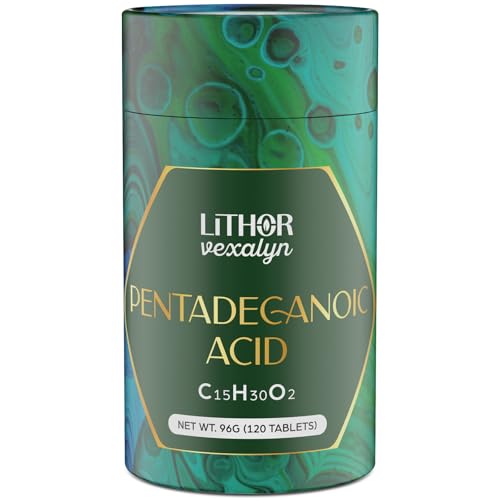
Small human intervention studies have since examined supplemental C15:0 at doses in the low hundreds of milligrams per day. In one randomized controlled trial run independently at the University of California San Diego — not by the discovering team — 30 young adults with overweight or obesity took 200 mg of C15:0 or placebo daily for 12 weeks; circulating C15:0 rose significantly and no significant adverse events were reported, though the trial was both short and small.[3] Larger, longer, independently replicated trials are needed before strong conclusions can be drawn about clinical benefit.
Proposed Mechanisms: Why C15:0 Might Matter at the Cellular Level
The Epitracker researchers have proposed several mechanisms by which C15:0 could influence cellular health. First, unlike even-chain saturated fatty acids, C15:0 is thought to integrate into cell membranes in a way that supports membrane stability and fluidity without the rigidity associated with longer even-chain saturates.[4] A more stable, well-composed cell membrane may support better cellular signaling and resilience.
Second, C15:0 has been characterized in laboratory studies as a partial agonist of PPAR-alpha and PPAR-delta receptors — nuclear receptors involved in fat metabolism, mitochondrial biogenesis, and inflammatory regulation.[5] If confirmed in human physiology at physiologically relevant concentrations, this pathway could help explain potential metabolic and anti-inflammatory effects.[6] It is worth emphasizing that receptor binding data from cell culture does not automatically translate into equivalent effects in the complexity of a living human body.

Third, the researchers have proposed that C15:0 may help reduce two cellular aging processes: ferroptosis (a form of iron-mediated cell death linked to oxidative stress) and cellular senescence (the accumulation of non-dividing, pro-inflammatory ‘zombie cells’).[4] These are active and legitimate areas of aging biology research, but direct evidence that dietary C15:0 at supplement doses meaningfully affects these processes in humans remains preliminary.
The 'Essential Fatty Acid' Claim: What It Means and What It Doesn't
Venn-Watson and colleagues have described C15:0 as potentially the first newly identified essential fatty acid in roughly 90 years — a claim that generated significant media attention. The term ‘essential’ in nutrition science has a specific meaning: a nutrient the body cannot synthesize in adequate amounts and must therefore obtain from food. The existing recognized essential fatty acids are the omega-6 linoleic acid and the omega-3 alpha-linolenic acid.
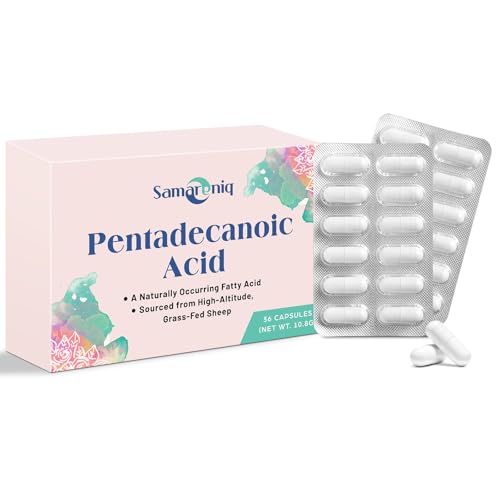
The Epitracker team’s argument rests on the observation that mammals have limited capacity to synthesize odd-chain fatty acids endogenously, making dietary intake the primary source. However, it is important to be clear that this ‘essential’ classification is a hypothesis advanced by the researchers themselves and has not been formally adopted by the FDA, the European Food Safety Authority, or mainstream nutrition science bodies. Peer debate continues, and some researchers question whether the observed associations rise to the level required to designate a nutrient as dietary-essential.
Fatty15, the supplement commercialized by Epitracker, delivers a stabilized form of pure C15:0 (as the cyclopropane-ring-opened isomer for stability). The FDA has not evaluated Fatty15 for the treatment or prevention of any disease, and the supplement is marketed under general wellness claims rather than therapeutic ones.
Where the Science Stands Today and What Comes Next
As of the mid-2020s, the C15:0 research base consists of the original dolphin metabolomics work, human epidemiological analyses, in vitro mechanistic studies, and a small number of short human trials. This is a meaningful body of early-stage evidence, but it occupies the exploratory end of the evidence pyramid. The research has not yet produced the large, multi-site, long-duration randomized controlled trials that regulatory agencies and clinical guidelines require before making treatment recommendations.
Independent replication is the next critical step. Much of the published C15:0 research to date has been conducted by or in close collaboration with the Epitracker team, which has both a scientific and commercial interest in the outcome. Independent labs testing the same hypotheses — and ideally disagreeing publicly when the data warrant it — will be essential to establishing C15:0’s place in mainstream nutrition science.
For consumers, the discovery story is genuinely interesting and the proposed mechanisms are biologically plausible. At studied doses of 100 to 300 mg per day, C15:0 supplementation has not shown safety concerns in published research. Whether it delivers meaningful health benefits beyond a well-balanced diet remains an open question that ongoing research is working to answer.


🛒 Where to Buy Pentadecanoic Acid (C15:0)
- Epitracker Fatty15 C15:0 Fatty Acid SupplementLab-tested / studied
capsules, 100 mg C15:0 per capsule; 1 capsule/day starter, 2 capsules/day maintenance — Category creator; the only C15:0 supplement backed by the original Epitracker research team (Venn-Watson et al.); uses a patented, sustainably-sourced pure C15:0 ingredient; most expensive per-capsule but reference product for all comparisons - Double Wood Supplements Pentadecanoic Acid C15:0
capsules, 200 mg C15:0 per serving (2 capsules) — One of the first genericized C15:0 supplements; significantly lower price than Fatty15; no independent clinical trials on this specific product; good option for budget-conscious buyers who want to trial the fatty acid - Sports Research Pentadecanoic Acid C15:0
softgels, 100 mg C15:0 per softgel — Established supplement brand with strong Amazon presence; third-party tested; softgel form may aid fat-soluble absorption; competitively priced mid-tier option - BulkSupplements Pentadecanoic Acid Powder (C15:0)
powder, 100–300 mg per measured serving — Most economical option for higher-dose protocols or stackers; requires a milligram-accurate scale; no excipients or additives; not recommended for beginners unfamiliar with powder dosing
As an Amazon Associate we earn from qualifying purchases. C15:0 products vary widely in how much pentadecanoic acid they actually contain, so check that the Supplement Facts panel lists C15:0 in milligrams as its own line item rather than bundling it into a fatty acid blend, and that the per-serving dose falls in the 100–300 mg range used in published research.
A Note on the Evidence
The evidence base for C15:0 is early-stage, with most human data coming from small, short trials conducted by researchers affiliated with the commercial developer of Fatty15; independent large-scale replication is still needed. Anyone with cardiovascular disease, metabolic conditions, pregnancy, or who takes prescription medications should consult a qualified healthcare provider before adding any fatty acid supplement to their regimen.
Frequently Asked Questions
Who discovered C15:0 as a potentially important fatty acid?
Dr. Stephanie Venn-Watson and colleagues at Epitracker, drawing on their background in the U.S. Navy Marine Mammal Program, identified C15:0 as a differentiating health marker through metabolomic analysis of bottlenose dolphins. The finding was then pursued in human epidemiological and intervention research by the same team.
Why were dolphins used in this research?
The Navy Marine Mammal Program maintains a closely monitored dolphin cohort with decades of dietary and health data — an unusually rich longitudinal dataset. This allowed researchers to correlate dietary fatty acid composition with health outcomes in a way that would be difficult to replicate quickly in human populations.

Is C15:0 found in food, or do you need a supplement?
C15:0 occurs naturally in full-fat dairy products (butter, whole milk, aged cheese) and in the fat of ruminant animals like beef and lamb. Dietary intake declined in populations that shifted away from these foods following saturated-fat guidelines. Supplemental forms like Fatty15 are designed for people who want a concentrated source without increasing overall saturated fat intake.
Has the FDA approved C15:0 or Fatty15 for any health condition?
No. The FDA has not evaluated C15:0 for the treatment or prevention of any disease. Fatty15 is sold as a dietary supplement under general wellness positioning, not as a drug or therapeutic agent.
Is C15:0 supplementation safe?
Published research at doses of 100 to 300 mg per day has not reported serious adverse events. However, the available trials are small and short, so long-term safety in diverse populations has not been fully established. As with any supplement, people with existing health conditions or who take medications should consult a healthcare provider before starting.
What does 'odd-chain fatty acid' mean and why does it matter?
Fatty acids are classified partly by the number of carbon atoms in their chain. Most dietary fats are even-chain (16, 18, 20 carbons, etc.). Odd-chain fatty acids like C15:0 (15 carbons) are far less common in the diet and are metabolized through slightly different pathways. This metabolic distinctiveness is part of why researchers believe odd-chain fatty acids may have different physiological effects from their even-chain counterparts.
References
- Modified fish diet shifted serum metabolome and alleviated chronic anemia in bottlenose dolphins (Tursiops truncatus): Potential role of odd-chain saturated fatty acids. PLoS One, 2020
- Efficacy of dietary odd-chain saturated fatty acid pentadecanoic acid parallels broad associated health benefits in humans: could it be essential?. Scientific Reports, 2020
- Pentadecanoic Acid Supplementation in Young Adults with Overweight and Obesity: A Randomized Controlled Trial. The Journal of Nutrition, 2024
- The Cellular Stability Hypothesis: Evidence of Ferroptosis and Accelerated Aging-Associated Diseases as Newly Identified Nutritional Pentadecanoic Acid (C15:0) Deficiency Syndrome. Metabolites, 2024
- Molecular and cellular mechanisms of pentadecanoic acid. World Journal of Biological Chemistry, 2025
- Broader and safer clinically-relevant activities of pentadecanoic acid compared to omega-3: Evaluation of an emerging essential fatty acid across twelve primary human cell-based disease systems. PLoS One, 2022
These statements have not been evaluated by the Food and Drug Administration. This information is not intended to diagnose, treat, cure, or prevent any disease. Content is for informational purposes only and is not medical advice; consult a qualified healthcare provider before starting any supplement. As an Amazon Associate we earn from qualifying purchases.
