Pentadecanoic acid — the 15-carbon odd-chain saturated fatty acid known as C15:0 — has attracted growing research attention over the past decade, partly because it is almost exclusively obtained through full-fat dairy foods and the fat of ruminant animals rather than synthesized by the human body in meaningful amounts. Epitracker researchers have proposed that C15:0 may function as an ‘essential’ fatty acid, a classification not yet formally adopted by regulatory bodies or mainstream nutrition science, but one that has motivated a new wave of investigation into its roles in cell membrane integrity, metabolic signaling, and cardiovascular physiology.
Blood pressure and endothelial health sit near the center of that investigation. The endothelium — the single-cell lining of every blood vessel — is both a target and a regulator of cardiovascular risk, and interest in how dietary fatty acids interact with it is longstanding. For C15:0 specifically, proposed mechanisms involve integration into cell membranes, partial agonism of PPAR-alpha and PPAR-delta nuclear receptors, and anti-inflammatory signaling pathways. The direct clinical evidence on blood pressure outcomes, however, remains preliminary, and most available data come from epidemiological studies of dairy biomarkers rather than controlled C15:0 supplementation trials. This article reviews what is known honestly, without overstating a still-developing evidence base.
Key Takeaways
- C15:0 is proposed to support vascular health through PPAR-alpha/delta agonism and cell membrane integration, but direct human blood pressure trials are lacking.
- Population studies show associations between dairy fatty acid biomarkers (including C15:0) and lower cardiovascular risk in some cohorts [1][2], but these are observational findings.
- At least one study found odd-chain fatty acids were associated with arteriosclerosis in patients with diabetes, dyslipidemia, or hypertension in one population but not another, highlighting that context matters [3].
- C15:0 follows a distinct metabolic pathway from even-chain saturated fats and is not thought to share their atherogenic properties, though this is not the same as confirmed cardiovascular benefit [4].
- Supplemental C15:0 at studied doses (100–300 mg/day) appears well-tolerated, but anyone with hypertension or heart disease should discuss it with their doctor before adding it.
C15:0 and the Endothelium: Proposed Mechanisms
The endothelium regulates vascular tone, inflammation, and platelet activity — all of which contribute to blood pressure. When endothelial cells become dysfunctional, nitric oxide (NO) production falls, inflammatory signaling rises, and vessels lose their ability to dilate appropriately in response to demand. This sequence underlies hypertension in many people, making any nutrient that supports endothelial health worth examining carefully.
C15:0 is proposed to support endothelial function through at least two routes. First, as a membrane-active fatty acid, it can integrate into phospholipid bilayers and is thought to modestly stabilize cell membranes — potentially relevant to the fragility and inflammatory susceptibility of endothelial cells. Second, C15:0 acts as a partial agonist of PPAR-alpha and PPAR-delta, nuclear receptors involved in fatty acid oxidation, lipid homeostasis, and the suppression of vascular inflammatory pathways. PPAR-delta activation, in particular, has been linked in mechanistic research to improved endothelial NO synthase activity and reduced oxidative stress in vessel walls. These are credible biological mechanisms, but it is important to note they have been proposed and studied in preclinical and in-vitro contexts; confirmed human vascular trials targeting C15:0 specifically are limited.
Not All Saturated Fats Behave the Same Way
A common concern with any saturated fatty acid discussion is whether the molecule in question carries the cardiovascular risks long associated with even-chain saturated fats such as palmitic acid (C16:0) or myristic acid (C14:0). The emerging consensus in lipid science is that chain length, structure, and metabolic fate matter considerably. As one 2015 review in Nutrition, Metabolism and Cardiovascular Diseases noted, the blanket characterization of saturated fats as uniformly harmful may obscure important differences between individual fatty acids [4].

Odd-chain saturated fatty acids like C15:0 follow a distinct metabolic pathway. Rather than being directly esterified into atherogenic lipoproteins as even-chain fats tend to be, odd-chain fats are catabolized through propionyl-CoA, entering the citric acid cycle via succinyl-CoA. This metabolic route is central to odd-chain fatty acid biology — so much so that severe inherited deficiencies in propionyl-CoA metabolism, as seen in propionic acidemia, cause systemic and cardiac complications [5], underscoring how integral this pathway is to normal physiology. The implication for C15:0 is that its downstream metabolic fate differs meaningfully from the fatty acids traditionally implicated in vascular inflammation, though this does not automatically confer cardiovascular benefit.
Epidemiological Evidence: Dairy Biomarkers and Vascular Risk
Because C15:0 is a reliable biomarker of dairy fat intake — its circulating level in plasma reflects consumption of full-fat dairy better than self-reported dietary recall — researchers have used it as a proxy in population studies examining cardiovascular outcomes. A 2025 prospective cohort study published in BMC Medicine examined plasma biomarkers of dairy intake, including odd-chain fatty acids, alongside gut microbiome profiles and their association with incident carotid plaque over follow-up [2]. Carotid intima-media thickness and plaque development are established surrogate markers for systemic atherosclerosis and future cardiovascular events, making this a relevant vascular endpoint.
Similarly, a 2019 analysis of Chinese adults published in The Journal of Nutrition identified a dietary pattern derived from reduced rank regression, incorporating fatty acid biomarkers, that was associated with lower risk of both type 2 diabetes and coronary artery disease [1]. Odd-chain fatty acids contributed to the protective pattern in that analysis. These findings are observational, however — they describe associations between circulating fatty acid profiles and disease risk, not causal relationships between C15:0 intake and blood pressure reduction.
Mixed Findings: Where the Evidence Gets Complicated
Epidemiological data on odd-chain fatty acids and vascular outcomes are not uniformly favorable, and intellectual honesty requires presenting both directions of evidence. A 2018 study published in Nutrition Research examined circulating odd-chain saturated fatty acids in populations with diabetes, dyslipidemia, or hypertension across Sri Lanka and Japan [3]. The researchers found that odd-chain fatty acids were associated with arteriosclerosis in the Sri Lankan cohort with these conditions, but not in the Japanese cohort — a discrepancy that the authors attribute to population-level differences in dietary patterns, baseline cardiovascular risk, and possibly the food sources providing odd-chain fats in each country.
This finding matters for several reasons. It suggests that the relationship between circulating C15:0 and vascular outcomes may be context-dependent — modified by overall diet quality, the source of the fatty acid (pasture-raised dairy versus highly processed dairy products), and underlying metabolic health. It also cautions against assuming that higher circulating C15:0 is always beneficial in people who already have hypertension or dyslipidemia. Most positive associations between dairy fatty acid biomarkers and vascular health emerge in generally healthy cohorts consuming diverse whole-food diets; the picture in people with established cardiometabolic disease is less clear [3].

C15:0 Supplements: What We Know About Dosing and Safety
Isolated C15:0 supplements, typically fatty15 in capsule form, have been studied at doses ranging from roughly 100 to 300 mg per day. Published research at these doses has not reported serious adverse events, and tolerability appears reasonable in the populations studied. However, no large randomized controlled trial has specifically enrolled hypertensive participants and measured blood pressure as a primary endpoint using isolated C15:0. The mechanistic case for a vascular benefit — via PPAR agonism, membrane stabilization, and anti-inflammatory signaling — exists, but it has not yet been confirmed in well-powered human trials targeting blood pressure outcomes.
For context, the amount of C15:0 in a typical diet varies widely by dairy consumption. People consuming full-fat dairy regularly may already obtain 50–200 mg of C15:0 per day from food. Whether supplemental C15:0 provides vascular benefits beyond what a whole-food diet already supplies remains an open question, and it is not one that current published literature fully answers.

What This Means Practically: An Honest Summary
The scientific picture around C15:0 and blood pressure is best described as biologically plausible but clinically unproven. The proposed mechanisms — PPAR-alpha/delta agonism, membrane integration, anti-inflammatory signaling — are grounded in lipid biochemistry and supported by in-vitro and some epidemiological evidence. Population data linking dairy fatty acid biomarkers, including C15:0, to better cardiovascular markers in certain cohorts are genuinely interesting [1][2]. At the same time, at least one population study in people with established cardiometabolic conditions found the opposite association in a specific geographic context [3], and the general finding that not all saturated fats behave the same way [4] is a principle, not a guarantee of benefit.
People managing hypertension or at elevated cardiovascular risk should not substitute emerging nutritional research for established interventions — lifestyle modification, dietary sodium reduction, and medications when indicated — while waiting for more definitive C15:0 trial data. That said, interest in C15:0 as a dietary component in the context of overall cardiovascular health is scientifically legitimate and growing. The next several years of clinical research should clarify whether supplemental or dietary C15:0 produces meaningful, measurable effects on blood pressure or endothelial biomarkers in humans.
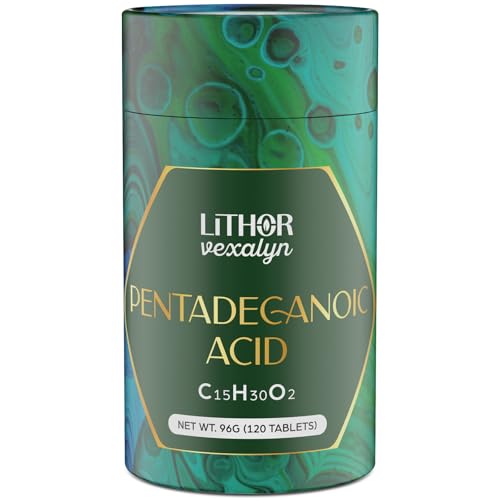
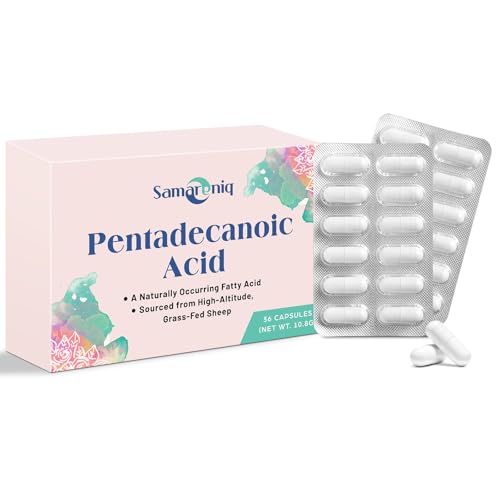
🛒 Where to Buy Pentadecanoic Acid (C15:0)

- Epitracker Fatty15 C15:0 Fatty Acid SupplementLab-tested / studied
capsules, 100 mg C15:0 per capsule; 1 capsule/day starter, 2 capsules/day maintenance — Category creator; the only C15:0 supplement backed by the original Epitracker research team (Venn-Watson et al.); uses a patented, sustainably-sourced pure C15:0 ingredient; most expensive per-capsule but reference product for all comparisons - Double Wood Supplements Pentadecanoic Acid C15:0
capsules, 200 mg C15:0 per serving (2 capsules) — One of the first genericized C15:0 supplements; significantly lower price than Fatty15; no independent clinical trials on this specific product; good option for budget-conscious buyers who want to trial the fatty acid - Sports Research Pentadecanoic Acid C15:0
softgels, 100 mg C15:0 per softgel — Established supplement brand with strong Amazon presence; third-party tested; softgel form may aid fat-soluble absorption; competitively priced mid-tier option - BulkSupplements Pentadecanoic Acid Powder (C15:0)
powder, 100–300 mg per measured serving — Most economical option for higher-dose protocols or stackers; requires a milligram-accurate scale; no excipients or additives; not recommended for beginners unfamiliar with powder dosing
As an Amazon Associate we earn from qualifying purchases. C15:0 products vary widely in how much pentadecanoic acid they actually contain, so check that the Supplement Facts panel lists C15:0 in milligrams as its own line item rather than bundling it into a fatty acid blend, and that the per-serving dose falls in the 100–300 mg range used in published research.
A Note on the Evidence
The evidence linking C15:0 specifically to blood pressure reduction in humans is preliminary and largely indirect — no large randomized trial has tested C15:0 supplementation as an antihypertensive intervention, and at least one observational study reported mixed findings in people with existing hypertension or dyslipidemia [3]. Anyone managing high blood pressure, taking antihypertensive medications, or at elevated cardiovascular risk should consult their physician before adding any supplement, including C15:0. This article is informational only and does not constitute medical advice; the FDA has not evaluated C15:0 for the treatment or prevention of any disease.

Frequently Asked Questions
Does C15:0 lower blood pressure?
There is currently no published randomized controlled trial in humans demonstrating that C15:0 supplementation directly lowers blood pressure. The proposed mechanisms — PPAR agonism and endothelial support — are biologically plausible, and some population studies link dairy fatty acid biomarkers to better vascular outcomes [1], but this is not the same as proven antihypertensive effect. The FDA has not evaluated C15:0 for treating or preventing hypertension.
Is C15:0 safe for people who already have high blood pressure?
At studied doses of 100–300 mg/day, no serious adverse events have been reported in published research. However, one epidemiological study found that circulating odd-chain fatty acids were associated with arteriosclerosis specifically among people with diabetes, dyslipidemia, or hypertension in a Sri Lankan cohort [3]. This does not prove harm, but it does mean people with established cardiovascular conditions should consult their healthcare provider before supplementing.
How is C15:0 different from other saturated fats like palmitic acid?
C15:0 is an odd-chain fatty acid metabolized via propionyl-CoA and succinyl-CoA rather than the routes even-chain saturated fats take, and it appears to have distinct effects on lipid metabolism and inflammation. A 2015 review highlighted that not all saturated fatty acids carry the same cardiovascular risk profile [4]. That said, structural difference alone does not confirm cardiovascular benefit — that remains to be established in clinical trials.
What does the dairy biomarker research show about C15:0 and heart disease?
Epidemiological studies using circulating C15:0 as a biomarker of dairy fat intake have found associations between higher levels and lower rates of coronary artery disease in some populations [1], as well as associations with carotid plaque incidence in prospective cohort data [2]. These findings are associational: they cannot establish that C15:0 itself caused better outcomes versus other components of a dairy-rich diet.

What is PPAR agonism and why does it matter for blood pressure?
PPAR-alpha and PPAR-delta are nuclear receptors that regulate fatty acid oxidation, lipid levels, and vascular inflammation. PPAR-delta activation in particular has been linked mechanistically to improved endothelial nitric oxide production and reduced oxidative stress in vessel walls. C15:0 is proposed to act as a partial agonist of both receptors, which is one plausible pathway by which it could support vascular health — but this mechanism has been demonstrated mainly in preclinical and cell-culture models, not in human blood pressure trials.
Can I get enough C15:0 from food, or do I need a supplement?
Full-fat dairy — butter, whole milk, full-fat cheese — is the primary dietary source. Regular consumption of these foods can provide an estimated 50–200 mg of C15:0 per day depending on amounts eaten. Isolated C15:0 supplements (like fatty15) deliver a precise dose of 100–300 mg in a form free from other dairy components, which may matter for people with lactose intolerance or dairy allergies. Whether supplemental C15:0 provides vascular benefits beyond a whole-food diet is not yet established by published trial data.

References
- Seah JYH et al. A Dietary Pattern Derived from Reduced Rank Regression and Fatty Acid Biomarkers Is Associated with Lower Risk of Type 2 Diabetes and Coronary Artery Disease in Chinese Adults. The Journal of nutrition (2019). PMID 31386157
- Xiao C et al. Plasma biomarkers of dairy intake and gut microbiome, and their association with incident carotid plaque: a prospective cohort study. BMC medicine (2025). PMID 40781312
- Kurotani K et al. Circulating odd-chain saturated fatty acids were associated with arteriosclerosis among patients with diabetes, dyslipidemia, or hypertension in Sri Lanka but not Japan. Nutrition research (New York, N.Y.) (2018). PMID 29540275
- Dawczynski C et al. Saturated fatty acids are not off the hook. Nutrition, metabolism, and cardiovascular diseases : NMCD (2015). PMID 26626084
- Alexopoulos SP et al. Liver Transplantation for Propionic Acidemia: A Multicenter-linked Database Analysis. Journal of pediatric gastroenterology and nutrition (2020). PMID 31978012
These statements have not been evaluated by the Food and Drug Administration. This information is not intended to diagnose, treat, cure, or prevent any disease. Content is for informational purposes only and is not medical advice; consult a qualified healthcare provider before starting any supplement. As an Amazon Associate we earn from qualifying purchases.
