Pentadecanoic acid (C15:0) and butyrate show up in a lot of the same conversations about gut health, inflammation, and metabolic support, which makes it easy to assume they’re interchangeable or at least closely related. They aren’t. C15:0 is a 15-carbon saturated fat you get almost entirely from dairy and ruminant fat in the diet. Butyrate is a 4-carbon short-chain fatty acid your own gut bacteria produce when they ferment fiber.
This article compares where each comes from, how each is thought to work, and what the current evidence actually supports for each — rather than treating them as competing options for the same job.
Different Origins, Different Delivery
Butyrate is produced inside the colon by specific bacterial groups, mainly Firmicutes, when they ferment resistant starch and soluble fiber. It’s absorbed locally by colonocytes, which use it as their preferred energy source, and only a fraction reaches systemic circulation [1]. You can raise butyrate production by eating more fermentable fiber, or take it directly as a supplement (sodium or calcium butyrate).
C15:0 is a dietary fat, not a fermentation byproduct. It’s found at low concentrations in whole-fat dairy, butter, and ruminant meat, and the body does not synthesize meaningful amounts on its own — diet is essentially the only source [2]. Because it’s a fat, it’s absorbed through normal lipid digestion and incorporated into cell membranes and circulating lipid pools rather than staying local to the gut.
How Each Is Thought to Work
Butyrate’s best-established mechanism is local: it fuels colonocytes directly, helps maintain tight-junction integrity in the gut lining, and acts as a histone deacetylase (HDAC) inhibitor that influences gene expression and immune signaling in gut tissue. It also stimulates release of gut hormones like GLP-1 and PYY, giving it systemic metabolic effects beyond the colon [1] [3].
C15:0’s proposed mechanisms are membrane-level and systemic rather than colon-specific: incorporation into cell membranes is hypothesized to improve membrane stability, and cell-based studies have shown activity at PPAR-alpha/delta receptors relevant to fatty-acid metabolism and inflammation [4]. It hasn’t been studied as a direct modulator of gut-barrier tight junctions the way butyrate has.
What the Evidence Actually Supports for Each
Butyrate has a deeper evidence base specifically for gut health: fecal and supplemental butyrate levels have been linked to gut barrier function, and clinical work has explored it in inflammatory and metabolic liver conditions, though outcomes vary and dosing isn’t standardized [3] [1].
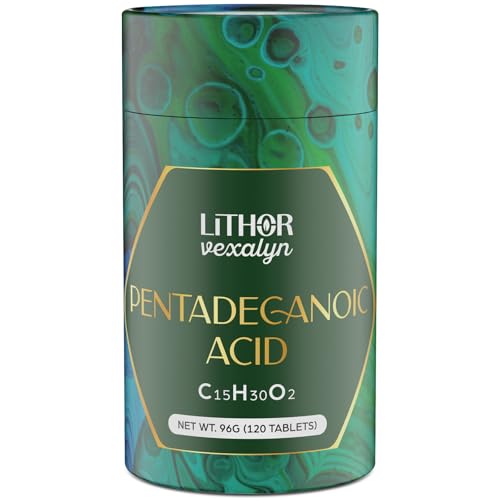
C15:0’s evidence base is broader in scope but shallower in depth: observational cohort studies associate higher circulating C15:0 with lower rates of cardiometabolic disease and mortality, and one small 12-week randomized trial in humans showed it’s tolerated and raises circulating levels, without yet demonstrating disease-outcome benefits at scale [5] [6]. Neither fatty acid has large, independent randomized trials proving hard clinical endpoints.
Do They Compete, or Do Different Jobs?
Given how differently they’re absorbed and where they act, C15:0 and butyrate aren’t really substitutes for one another. Someone interested in gut-barrier and colon-specific support has more direct evidence pointing toward fiber intake (which raises endogenous butyrate production) or a butyrate supplement. Someone interested in the broader, membrane-stability and cardiometabolic hypothesis behind C15:0 is evaluating a separate, newer body of research with its own gaps. There’s no published research directly comparing or combining the two, so any claim that one is ‘better’ than the other for a shared goal isn’t supported by current data — they’re addressing different physiological questions.
References
- Butyrate: More Than a Short Chain Fatty Acid. Current Nutrition Reports, 2023
- Efficacy of dietary odd-chain saturated fatty acid pentadecanoic acid parallels broad associated health benefits in humans: could it be essential?. Scientific Reports, 2020
- Short chain fatty acids in human gut and metabolic health. Beneficial Microbes, 2020
- Broader and safer clinically-relevant activities of pentadecanoic acid compared to omega-3. PLOS ONE, 2022
- Pentadecanoic Acid Supplementation in Young Adults with Overweight and Obesity: A Randomized Controlled Trial. The Journal of Nutrition, 2024
- Pentadecanoic acid (C15:0) and cardiovascular disease. World Journal of Cardiology, 2025
These statements have not been evaluated by the Food and Drug Administration. This information is not intended to diagnose, treat, cure, or prevent any disease. Content is for informational purposes only and is not medical advice; consult a qualified healthcare provider before starting any supplement. As an Amazon Associate we earn from qualifying purchases.
