Pentadecanoic acid’s central research hypothesis is that it stabilizes cell membranes and reduces a form of oxidative membrane damage tied to aging processes. Skin is one of the most membrane-dense, turnover-heavy tissues in the body, which makes the extrapolation to skin aging an obvious marketing angle. But an obvious extrapolation isn’t the same as a tested one.
This article separates the general cell-membrane research behind C15:0 from what has, and has not, actually been studied specifically in skin cells or human skin outcomes.
The Membrane-Stability Hypothesis, Briefly
C15:0’s proposed mechanism centers on how odd-chain fatty acids pack differently into lipid bilayers than the more common even-chain fatty acids, potentially producing membranes that are less prone to a form of lipid peroxidation-driven cell death called ferroptosis. Human cell-based work has shown C15:0 has dose-dependent anti-inflammatory activity across a range of primary cell systems, with a broader and in some respects safer profile than EPA, a comparator omega-3 [1]. Observational research also links higher circulating C15:0 to lower markers of several age-related metabolic conditions [2].
None of the twelve human cell systems evaluated in that comparative work were skin-specific cell lines — the panel covered systems like cardiovascular, metabolic, and immune cell types. That’s an important gap: the mechanism is plausible for skin by extension of general membrane biology, but it hasn’t been directly tested in skin tissue.
What Skin-Specific Research Actually Exists
Separately from C15:0-branded research, dermatology and lipidomics literature has extensively studied how fatty acid chain length and composition affect the skin’s stratum corneum barrier — the outermost lipid layer made of ceramides, cholesterol, and free fatty acids that governs water retention and barrier function. That literature establishes that chain length and saturation meaningfully affect skin barrier lipid packing and permeability in general.
However, that stratum corneum research is not about C15:0 specifically, and no published study has supplemented humans with oral C15:0 and measured skin outcomes — not hydration, elasticity, wrinkle depth, or barrier function. The ‘skin benefit’ claim currently circulating around Fatty15 is an inference stacked on two separate bodies of research (general C15:0 membrane biology, and general skin lipid biology) rather than a direct finding from either.
Why the Extrapolation Is Weaker Than It Sounds
Oral supplementation changes circulating C15:0 levels and its incorporation into red-blood-cell and broad tissue lipid pools, as shown in the 12-week human RCT [3], but that trial did not measure skin tissue incorporation or any dermatological endpoint. Whether oral C15:0 meaningfully changes the fatty acid composition of skin cell membranes — as opposed to blood cell membranes, which is what’s actually been measured — is an open question, not a confirmed mechanism.
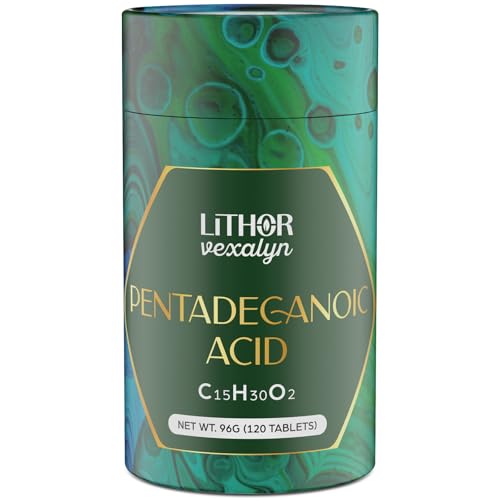
This is a common pattern in supplement marketing generally: a systemic mechanism gets applied to a specific organ that wasn’t part of the underlying study. It doesn’t mean the skin-aging hypothesis is wrong, only that it’s currently unproven and shouldn’t be represented as established science.
The Honest Bottom Line
If cell membrane stability genuinely matters for skin aging — a reasonable but unproven premise — C15:0’s broader safety and mechanistic profile makes it a plausible candidate worth studying in dermatological research. Right now, though, there is no published trial connecting oral C15:0 supplementation to any measured skin outcome. Anyone taking Fatty15 or a similar C15:0 product for skin-aging reasons should understand they’re testing a hypothesis on themselves, not applying a proven treatment.
References
- Broader and safer clinically-relevant activities of pentadecanoic acid compared to omega-3. PLOS ONE, 2022
- Efficacy of dietary odd-chain saturated fatty acid pentadecanoic acid parallels broad associated health benefits in humans: could it be essential?. Scientific Reports, 2020
- Pentadecanoic Acid Supplementation in Young Adults with Overweight and Obesity: A Randomized Controlled Trial. The Journal of Nutrition, 2024
These statements have not been evaluated by the Food and Drug Administration. This information is not intended to diagnose, treat, cure, or prevent any disease. Content is for informational purposes only and is not medical advice; consult a qualified healthcare provider before starting any supplement. As an Amazon Associate we earn from qualifying purchases.
