Pentadecanoic acid (C15:0) is a saturated odd-chain fatty acid found naturally in full-fat dairy products and ruminant fats. A small group of researchers, primarily affiliated with Epitracker, has proposed it may support cellular health through mechanisms including integration into cell membranes, partial activation of PPAR-alpha and PPAR-delta receptors, and potential reductions in ferroptosis and cellular senescence.[1] This hypothesis has not yet been formally adopted by mainstream nutrition science or any regulatory body.
As consumer interest grows, the supplement market has filled with products of varying quality, dosing, and transparency. Because the FDA has not evaluated C15:0 for the treatment or prevention of any disease, no standardized labeling requirements exist specific to this ingredient. That makes it essential to know exactly what to look for — and what to avoid — before buying.
Key Takeaways
- The Supplement Facts panel should list C15:0 (pentadecanoic acid) as its own line item in milligrams — not bundled into an unlabeled fatty acid blend.
- The dose range examined in published research is approximately 100–300 mg per day; products well below or far above this range are outside what existing studies have assessed.
- Third-party testing certification or an independently issued COA is the most meaningful quality signal available in this largely unregulated supplement category.
- Claims that C15:0 is a proven ‘essential’ fatty acid or that it treats disease overstate current scientific consensus and regulatory status — treat such language as a red flag.
- Form (free fatty acid versus triglyceride-bound), source material, storage guidance, and transparent manufacturer contact information are all legitimate criteria for comparing products.
Start With the Supplement Facts Panel: What It Must Tell You
Every legal dietary supplement sold in the United States must include a Supplement Facts panel listing the serving size, servings per container, and amount per serving of each dietary ingredient. For a C15:0 product, the panel should clearly state the amount of pentadecanoic acid in milligrams per serving — not merely the total fat or the weight of the oil blend the C15:0 is extracted from.
This distinction matters. Some products list a ‘fatty acid complex’ or ‘C15:0-rich oil’ by weight, making it impossible to determine how much actual pentadecanoic acid you are consuming. A transparent label isolates C15:0 as its own line item. If you cannot determine the milligram dose of pentadecanoic acid specifically, treat that as a significant gap in label transparency.
Also check that the label specifies the source material. C15:0 supplements on the market are most commonly derived from fatty acid distillation of sustainably sourced vegetable or animal fats, or synthesized as a pure fatty acid. The source does not automatically determine quality, but an unlabeled or vague source should prompt further investigation.
Understanding Dose: What Published Research Has Used
The dose range studied in published research sits between approximately 100 mg and 300 mg of C15:0 per day. No serious adverse events have been reported at these doses in available studies. However, because the research base is still limited and largely conducted or funded by Epitracker-affiliated researchers, there is not yet a formally established recommended daily intake backed by independent regulatory review.
Products that provide substantially less than 100 mg per serving may not deliver amounts comparable to those studied. Products marketing very high doses — above 500 mg or more — are moving well beyond what peer-reviewed research has examined, and higher is not automatically better or safer. When evaluating a label, match the per-serving dose against the 100–300 mg range documented in existing literature and ask whether the product’s serving recommendations align with that window.

Pay attention to whether the product recommends one or multiple servings per day. A capsule listing 50 mg C15:0 per serving with a two-capsule daily dose delivers 100 mg total — which is within the studied range. Read serving size and daily serving instructions together before drawing conclusions about dosing adequacy.
Form Matters: Free Fatty Acid Versus Triglyceride-Bound C15:0
C15:0 supplements appear on the market in different forms. Some products deliver C15:0 as a free fatty acid (sometimes labeled FA-C15:0 or as purified pentadecanoic acid), while others provide it as part of a triglyceride structure within a fatty acid-rich oil. The distinction has potential relevance to absorption and bioavailability, though head-to-head comparative data in humans is limited.
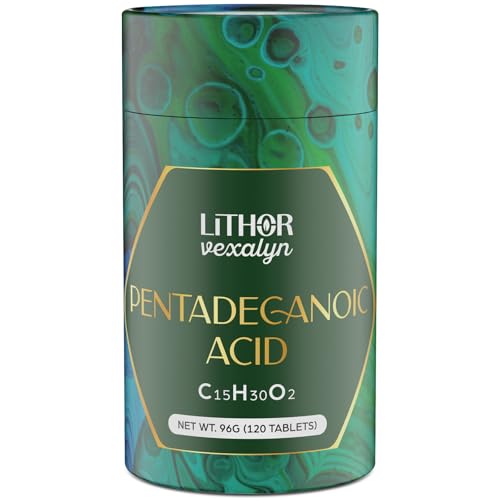
Free fatty acid forms are typically associated with higher purity percentages because the C15:0 has been isolated from the surrounding lipid matrix. Triglyceride-bound forms may more closely resemble how C15:0 appears naturally in food, but the actual C15:0 content per gram of oil can vary considerably depending on the source material and extraction process.
A label should clearly indicate which form is present. If the label lists an oil blend or a fatty acid complex without specifying the form or the precise C15:0 content within that blend, you cannot confirm what you are purchasing. Seek out products where the form is stated and the C15:0 content is quantified as a distinct ingredient.
Purity and Third-Party Testing: The Most Important Quality Signal
Because dietary supplements in the United States are not required to undergo pre-market approval by the FDA, the burden of quality verification falls largely on manufacturers and third-party certifiers. A C15:0 label that carries a certificate of analysis (COA) from an independent laboratory — or a recognized third-party seal such as NSF International, USP, or Informed Sport — provides meaningful evidence that the product has been independently tested for identity, potency, and contaminants.
When evaluating a COA, look specifically for confirmation that the stated milligrams of C15:0 per serving match the tested content, that heavy metal levels (lead, cadmium, arsenic, mercury) are within acceptable limits, and that the product is free of microbial contamination. A COA provided only by the manufacturer’s in-house laboratory carries less weight than one issued by an accredited external facility.
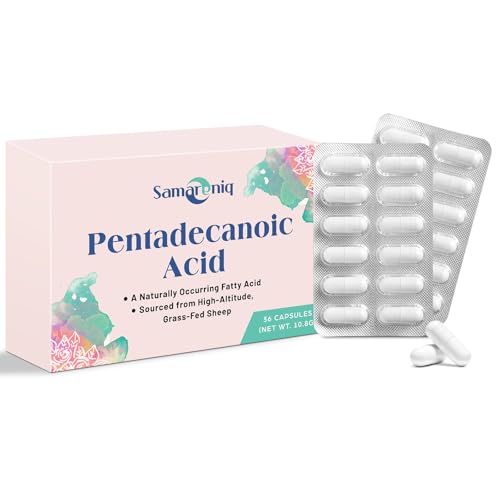
Products that make no mention of third-party testing, display no certifications, and do not offer a COA upon request should be viewed with caution. In a market with limited regulatory oversight, third-party verification is one of the strongest proxies for product integrity available to consumers.

Red Flags: Label Language That Should Give You Pause
Several patterns on supplement labels warrant skepticism. Claims that a product ‘treats,’ ‘cures,’ ‘prevents,’ or ‘reverses’ any disease are prohibited for dietary supplements in the United States and indicate a company willing to misrepresent regulatory boundaries. Structure/function claims (such as ‘supports healthy aging’ or ‘promotes cellular health’) are permitted but must be accompanied by a disclaimer stating the FDA has not evaluated the claim.
Be cautious of labels that reference C15:0 as a ‘proven essential fatty acid.’ The hypothesis that C15:0 meets criteria for essentiality — meaning the body cannot synthesize adequate amounts on its own — has been proposed by Epitracker researchers but has not been formally recognized by the National Academies of Sciences, Engineering, and Medicine, nor adopted in official dietary reference intake frameworks. A label presenting this classification as established fact overstates the current scientific consensus.
Other red flags include: no listed amount of C15:0 per serving (only a proprietary blend total), no identifiable manufacturer address or contact information, exaggerated comparisons to pharmaceutical drugs, absence of a lot number or expiration date, and testimonials that describe dramatic disease reversal. These patterns, individually or in combination, suggest a product prioritizing marketing over accuracy.

Additional Label Elements Worth Checking
Beyond the core Supplement Facts panel, examine the ‘Other Ingredients’ section. Fillers, binders, and encapsulation materials are standard and generally benign, but individuals with specific allergens or sensitivities — soy, fish, shellfish, gluten — should verify these are absent or clearly disclosed. Gelatin capsules are not suitable for vegetarians or vegans; plant-based alternatives should be labeled as such.
Storage instructions matter for fatty acid stability. C15:0, like other fatty acids, can oxidize over time when exposed to heat, light, or air. Products that require refrigeration after opening, or that package the supplement in dark or opaque containers with an oxygen barrier, are demonstrating awareness of lipid stability. A product with no storage guidance at all, packaged in clear plastic, may have a shorter effective shelf life than the expiration date implies.
Finally, verify that the manufacturer lists a physical address and a means of contact. Reputable supplement companies stand behind their products and make it straightforward for consumers to request documentation, ask questions, or report adverse effects. Anonymous or contact-poor labeling is a structural red flag regardless of the ingredient in question.
🛒 Where to Buy Pentadecanoic Acid (C15:0)

- Epitracker Fatty15 C15:0 Fatty Acid SupplementLab-tested / studied
capsules, 100 mg C15:0 per capsule; 1 capsule/day starter, 2 capsules/day maintenance — Category creator; the only C15:0 supplement backed by the original Epitracker research team (Venn-Watson et al.); uses a patented, sustainably-sourced pure C15:0 ingredient; most expensive per-capsule but reference product for all comparisons - Double Wood Supplements Pentadecanoic Acid C15:0
capsules, 200 mg C15:0 per serving (2 capsules) — One of the first genericized C15:0 supplements; significantly lower price than Fatty15; no independent clinical trials on this specific product; good option for budget-conscious buyers who want to trial the fatty acid - Sports Research Pentadecanoic Acid C15:0
softgels, 100 mg C15:0 per softgel — Established supplement brand with strong Amazon presence; third-party tested; softgel form may aid fat-soluble absorption; competitively priced mid-tier option - BulkSupplements Pentadecanoic Acid Powder (C15:0)
powder, 100–300 mg per measured serving — Most economical option for higher-dose protocols or stackers; requires a milligram-accurate scale; no excipients or additives; not recommended for beginners unfamiliar with powder dosing
As an Amazon Associate we earn from qualifying purchases. C15:0 products vary widely in how much pentadecanoic acid they actually contain, so check that the Supplement Facts panel lists C15:0 in milligrams as its own line item rather than bundling it into a fatty acid blend, and that the per-serving dose falls in the 100–300 mg range used in published research.

A Note on the Evidence
C15:0 research is preliminary, largely conducted by a small group of researchers with financial ties to Epitracker, and has not been independently confirmed in large randomized trials; no regulatory body has evaluated C15:0 for any health claim or established a recommended intake. If you are pregnant, breastfeeding, taking medications, or managing a health condition, consult a qualified healthcare provider before adding any C15:0 supplement to your routine.
Frequently Asked Questions
What is the difference between C15:0 and other fatty acid supplements?
C15:0 is a saturated odd-chain fatty acid, structurally distinct from even-chain saturated fats like palmitic acid (C16:0) and from unsaturated fatty acids like EPA or DHA. Epitracker researchers propose it may interact with cellular membranes and metabolic receptors in ways that differ from common dietary fatty acids, though this research is early-stage and has not been independently replicated at scale.
Is there a daily value percentage listed for C15:0 on supplement labels?
No. Because no established Daily Value for C15:0 exists in U.S. regulatory frameworks, labels are not required to — and typically cannot — list a percent daily value for this ingredient. This is expected and not itself a red flag, but it does underscore that no regulatory body has set an official recommended intake.
How do I verify that a product actually contains the C15:0 amount listed?
Request a certificate of analysis from the manufacturer issued by an accredited third-party laboratory. The COA should show tested C15:0 content per serving and confirm it matches the label claim within an acceptable variance range, typically plus or minus ten percent. If a company cannot or will not provide this documentation, that is a significant transparency concern.
Are C15:0 supplements safe?
Published research at doses of 100–300 mg per day has not reported serious adverse events. However, the available research base is limited in size and largely connected to the researchers who advanced the C15:0 hypothesis. As with any supplement, individuals who are pregnant, breastfeeding, taking prescription medications, or managing chronic conditions should consult a healthcare provider before use.
Does label transparency differ between free fatty acid and oil-based C15:0 products?
It can. Free fatty acid forms tend to make it easier to list an exact milligram quantity of C15:0 because the compound has been isolated. Oil-based products vary more widely; some clearly quantify the C15:0 content within the oil, while others list only the total oil weight, leaving actual C15:0 dose unknown. Prefer products that specify C15:0 milligrams regardless of form.
What does 'proprietary blend' on a C15:0 label mean, and should I be concerned?
A proprietary blend groups multiple ingredients under a single total weight without disclosing individual amounts. For a single-ingredient C15:0 product, there is no legitimate reason to use this structure — it exists to obscure dosing. For combination products containing C15:0 alongside other ingredients, a proprietary blend prevents you from confirming how much C15:0 is actually present. Treat its use as a reason to seek a more transparent alternative.

References
- Venn-Watson S, Lumpkin R, Dennis EA. Efficacy of dietary odd-chain saturated fatty acid pentadecanoic acid parallels broad associated health benefits in humans: could it be essential? Scientific reports. 2020;10(1):8161. PMID 32424181
These statements have not been evaluated by the Food and Drug Administration. This information is not intended to diagnose, treat, cure, or prevent any disease. Content is for informational purposes only and is not medical advice; consult a qualified healthcare provider before starting any supplement. As an Amazon Associate we earn from qualifying purchases.
