Pentadecanoic acid, known as C15:0, is a saturated odd-chain fatty acid found naturally in full-fat dairy products and the meat and fat of ruminant animals. For decades it was considered a minor dietary component with no particular significance. That view has shifted sharply in recent years, driven largely by research from Epitracker scientists who argue that C15:0 may belong alongside omega-3s and omega-6s as a genuinely essential nutrient — one the body cannot synthesize in adequate amounts on its own.
The claim is striking, and it has attracted both serious scientific interest and reasonable skepticism. Calling a fatty acid ‘essential’ carries a precise meaning in nutrition: the body cannot make enough of it to meet physiological needs, so it must come from diet. That standard has not yet been formally applied to C15:0 by regulatory agencies or mainstream nutrition bodies. This article walks through what is currently known about C15:0, how strong the supporting evidence actually is, and what remains genuinely uncertain.
Key Takeaways
- C15:0 (pentadecanoic acid) is a naturally occurring odd-chain saturated fatty acid found primarily in full-fat dairy and ruminant fats.
- Epitracker researchers have proposed C15:0 as an essential fatty acid, citing mechanisms including cell membrane stabilization, PPAR-alpha/delta agonism, and potential reductions in ferroptosis and cellular senescence.
- The ‘essential’ classification is a scientific hypothesis, not a formally adopted regulatory or nutritional standard; it has not been independently replicated at scale.
- Human clinical trial evidence is limited; most published mechanistic data comes from cell and animal studies, with epidemiological associations in humans but no large randomized controlled trials.
- At studied doses of 100 to 300 mg per day, C15:0 supplements appear well-tolerated, but long-term human safety and efficacy data remain limited.
What Is C15:0 and Where Does It Come From?
C15:0 is a 15-carbon saturated fatty acid — an odd-chain fat, which makes it structurally distinct from the even-chain saturated fats like palmitic acid (C16:0) that dominate most Western diets. Odd-chain fatty acids are produced in small amounts by ruminant bacteria during fermentation, which is why full-fat dairy products such as whole milk, cheese, butter, and yogurt, along with lamb and beef fat, are the primary dietary sources.
Because low-fat dietary guidelines have dominated public health recommendations since the 1980s, per capita consumption of full-fat dairy has declined considerably in many countries. Epitracker researchers have proposed that this dietary shift may have reduced C15:0 intake below levels needed for optimal cellular function — a hypothesis that underpins the broader argument for its essential status.
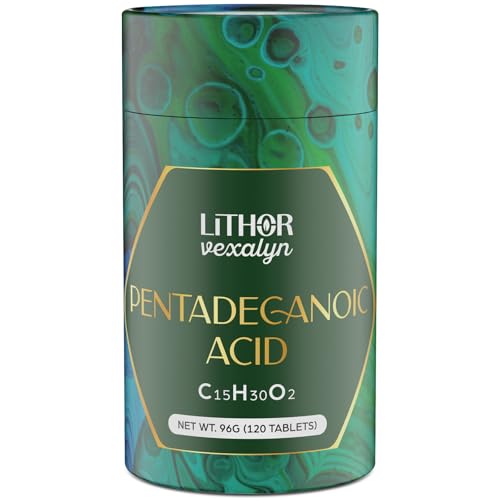
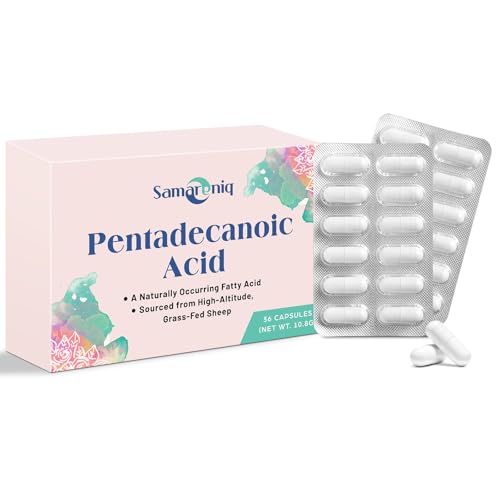
C15:0 can also be taken as a supplement. The commercially available form, often branded as fatty15, provides purified C15:0 at doses ranging from 100 to 300 mg per day, which is the range studied in published research to date.
The Proposed Mechanisms: How C15:0 May Support Cellular Health
Researchers have proposed several distinct mechanisms through which C15:0 could benefit health. The first involves cell membrane integrity. C15:0 integrates into cell membranes in a way that researchers suggest may help stabilize them against fragility and breakdown. Even-chain saturated fats can make membranes more rigid, while polyunsaturated fats can make them more fragile. Odd-chain C15:0 is hypothesized to offer a stabilizing middle ground, though direct evidence in humans at relevant dietary doses is still limited.

A second proposed mechanism is PPAR activation. C15:0 appears to act as a partial agonist of PPAR-alpha and PPAR-delta receptors, which are nuclear receptors involved in regulating fat metabolism, inflammation, and mitochondrial function. Activation of these pathways by C15:0 has been observed in cell-based studies, and this is considered one of the more mechanistically plausible aspects of the hypothesis.
Two additional proposed benefits involve ferroptosis and cellular senescence. Ferroptosis is a form of regulated cell death driven by lipid oxidation, and some researchers suggest C15:0 may reduce susceptibility to it. Cellular senescence — the accumulation of aged, dysfunctional cells that secrete inflammatory signals — has also been proposed as a target, with early laboratory data suggesting C15:0 may slow certain markers of this process. Both areas are active but early-stage.

The 'Essential' Hypothesis: What Would It Take to Prove It?
The term ‘essential fatty acid’ has a specific scientific and regulatory meaning. Omega-6 linoleic acid and omega-3 alpha-linolenic acid are recognized as essential because the human body lacks the enzymes needed to synthesize them, and deficiency produces clear, reproducible clinical symptoms. The evidence threshold is high: deficiency symptoms, dose-response data, and replicated findings across independent research groups.
The case for C15:0 as essential, as advanced by Epitracker researchers, rests on a different type of argument. Their position is that the body produces only small amounts of C15:0 on its own, and that this endogenous production is insufficient to meet cellular needs, particularly as people age.[1] On that specific premise they are not alone: a 2024 review from Institut Agro and INRAE in Rennes, France, a group with no connection to the supplement’s developer, reached the same reading of the evidence, concluding that C15:0 is not synthesized in sufficient quantities endogenously and so must be provided by the diet.[2]
The pathway itself is worth stating precisely, because it is often described incorrectly. Humans do not make C15:0 by trimming carbons off even-chain fats. The demonstrated route runs through the gut: fermentable fiber feeds bacteria that produce propionate, and the liver uses that propionate to build odd-chain fatty acids.[3] A randomized, double-blind crossover trial put this to the test in 16 healthy adults. Seven days of inulin at 30 g per day raised plasma pentadecanoic acid by roughly 17 percent (P < 0.05), and propionate itself at 6 g per day raised it about 13 percent (P = 0.05), while cellulose, which ferments poorly, changed nothing.[4] The authors drew the obvious conclusion: the well-known association between odd-chain fatty acids and lower diabetes risk may relate to dietary fiber intake and not only to dairy fat.
That finding complicates the simplest version of the essentiality argument rather than settling it. It shows there is a real endogenous route, and a cheap dietary lever on it, which is worth knowing before buying anything. It does not show that route supplies enough, which is precisely the question the essential label turns on and the question that remains open. Epitracker researchers also point to epidemiological associations between higher circulating C15:0 levels and reduced risk of cardiometabolic conditions, though epidemiological data cannot establish causation on its own.[5]
Much of the foundational mechanistic research has been conducted by or in collaboration with the same group that developed and commercialized the fatty15 supplement, including the cell-panel work most often cited for C15:0’s anti-inflammatory activity.[6] That does not make the research invalid, but it is a relevant consideration when evaluating how confident one should be in the claims.
What is no longer accurate is the stronger version of that complaint, that unaffiliated researchers have simply not engaged. The Rennes group cited above published a review devoted specifically to C15:0’s contested essentiality,[2] and then ran the kind of experiment the label actually calls for: rats raised deficient in essential fatty acids and then supplemented with C15:0 at weaning grew faster than deficient controls, comparably to rats given linoleic acid, and produced a previously undescribed family of odd-chain n-8 polyunsaturated fats.[7] Those authors are deliberately cautious, writing that the mechanisms remain to be deciphered before the finding can be treated as validated. It is a rodent study, not a human one. But it is independent, and it is a deficiency-and-rescue design rather than another association.
What the Evidence Actually Shows: Strengths and Gaps
The existing body of research on C15:0 includes cell culture studies, animal studies, and a small number of human observational analyses. Cell studies have demonstrated the proposed mechanisms — membrane stabilization, PPAR activation, reductions in ferroptosis markers — under controlled laboratory conditions. Animal studies, primarily in mice and one long-term study in dolphins, have shown associations between C15:0 levels and markers of metabolic health. Human clinical trial data is sparse, but it is no longer absent, and both of the trials that exist are independent of the supplement’s developer. The TANGO trial randomized 88 women with fatty liver disease for 12 weeks to an Asian-adapted Mediterranean diet plus C15:0, the same diet without it, or their habitual diet. Liver fat measured by MRI fell 33 percent, 30 percent and 10 percent across those three arms, which means the large improvement tracked the diet and the weight loss rather than the C15:0; the C15:0 arm did show a further reduction in LDL cholesterol.[8] A separate NIH-funded trial at the University of California San Diego gave 200 mg per day or placebo to 30 young adults with overweight or obesity for 12 weeks. Circulating C15:0 rose 1.88 micrograms per milliliter more than placebo (P = 0.003) with no significant adverse events, which confirms the supplement is absorbed.[9] Its liver-enzyme findings are often quoted without their caveat: the ALT and AST improvements were a comparison between participants inside the treated group who cleared 5 micrograms per milliliter and those who did not, not a comparison against placebo.
Epidemiological work has found that higher levels of C15:0 in red blood cells or plasma are associated with lower rates of certain cardiometabolic conditions in population samples, and this is the largest and most independent part of the evidence base. A pooled analysis of 16 prospective cohorts across 12 countries, covering 63,682 participants and 15,180 new cases of type 2 diabetes, reported a hazard ratio of 0.80 (95% CI 0.73 to 0.87) for incident diabetes per cohort-specific 10th-to-90th-percentile increment in C15:0.[5] These findings are interesting but carry the usual limitations of observational data: people who consume more full-fat dairy differ in many ways from those who do not, and teasing out C15:0 specifically from other dairy components is methodologically difficult.

What the evidence does not yet include are large, long-term randomized controlled trials in humans testing supplemental C15:0 against hard clinical outcomes such as cardiovascular events, metabolic disease progression, or longevity markers. The two 2024 trials described above are real and independent, but they ran 12 weeks and enrolled 88 and 30 people respectively, which is enough to measure absorption and short-term markers and nowhere near enough to measure disease. The absence of that larger data is the central gap. The mechanistic story is plausible; the human clinical evidence to fully support it has not been published as of this writing.
Regulatory Status and Scientific Consensus
The FDA has not evaluated C15:0 for the treatment or prevention of any disease, and it has not formally classified C15:0 as an essential nutrient. The designation of ‘essential fatty acid’ as applied to C15:0 is a hypothesis advanced by Epitracker researchers and has not been adopted by bodies such as the National Academies of Sciences, Engineering, and Medicine, the European Food Safety Authority, or other mainstream nutrition science institutions.
This is not unusual for emerging nutritional science. The recognition of essential nutrients often lags behind early research by years or decades. It is equally possible that further research will confirm the hypothesis, partially support it, or find that C15:0 benefits are context-dependent rather than universal. The honest position is that the jury is still out, and healthy skepticism alongside genuine scientific interest is the appropriate stance.
Safety, Dosing, and Practical Considerations
At the doses studied in published research — generally 100 to 300 mg per day — C15:0 supplements have been well-tolerated with no serious adverse events reported. This is a relatively low dose compared to total daily fat intake, and C15:0 is a naturally occurring component of foods many people already eat. The short-term safety profile appears favorable based on available data, though long-term safety data in diverse human populations is limited.
For those interested in increasing C15:0 through food rather than supplements, full-fat dairy products are the most practical source. Incorporating whole milk, hard cheeses, or full-fat yogurt into a balanced diet provides C15:0 alongside other nutrients. Whether food-derived C15:0 is meaningfully different from supplemental C15:0 in terms of bioavailability or effect has not been rigorously studied.
Anyone with cardiovascular conditions, metabolic disease, or other health concerns should speak with a qualified healthcare provider before beginning any new supplement regimen. While C15:0 is saturated fat, it is an odd-chain fatty acid and behaves differently in metabolism than even-chain saturated fats like palmitic or stearic acid. However, individuals with lipid disorders should exercise appropriate caution and seek professional guidance.

🛒 Where to Buy Pentadecanoic Acid (C15:0)
- Epitracker Fatty15 C15:0 Fatty Acid SupplementLab-tested / studied
capsules, 100 mg C15:0 per capsule; 1 capsule/day starter, 2 capsules/day maintenance — Category creator; the only C15:0 supplement backed by the original Epitracker research team (Venn-Watson et al.); uses a patented, sustainably-sourced pure C15:0 ingredient; most expensive per-capsule but reference product for all comparisons - Double Wood Supplements Pentadecanoic Acid C15:0
capsules, 200 mg C15:0 per serving (2 capsules) — One of the first genericized C15:0 supplements; significantly lower price than Fatty15; no independent clinical trials on this specific product; good option for budget-conscious buyers who want to trial the fatty acid - Sports Research Pentadecanoic Acid C15:0
softgels, 100 mg C15:0 per softgel — Established supplement brand with strong Amazon presence; third-party tested; softgel form may aid fat-soluble absorption; competitively priced mid-tier option - BulkSupplements Pentadecanoic Acid Powder (C15:0)
powder, 100–300 mg per measured serving — Most economical option for higher-dose protocols or stackers; requires a milligram-accurate scale; no excipients or additives; not recommended for beginners unfamiliar with powder dosing
As an Amazon Associate we earn from qualifying purchases. C15:0 products vary widely in how much pentadecanoic acid they actually contain, so check that the Supplement Facts panel lists C15:0 in milligrams as its own line item rather than bundling it into a fatty acid blend, and that the per-serving dose falls in the 100–300 mg range used in published research.

A Note on the Evidence
The evidence supporting C15:0 as an essential fatty acid is promising but preliminary, with most mechanistic data derived from cell and animal studies and limited large-scale human clinical trials. This article is for informational purposes only and does not constitute medical advice; individuals with health conditions or those taking medications should consult a qualified healthcare provider before using C15:0 supplements.
Frequently Asked Questions
What does 'essential fatty acid' actually mean?
An essential fatty acid is one the body cannot synthesize in sufficient quantities to meet its needs and must therefore obtain through diet. Currently only omega-6 linoleic acid and omega-3 alpha-linolenic acid are formally recognized as essential. The claim that C15:0 meets this threshold is a research hypothesis advanced by Epitracker scientists, not a regulatory or consensus determination.
Is C15:0 the same as a saturated fat I should be concerned about?
C15:0 is a saturated fatty acid, but its odd-chain structure means it is metabolized differently from common even-chain saturated fats like palmitic acid. Population data has not shown the same associations between C15:0 and adverse cardiovascular outcomes seen with even-chain saturated fats, though this area still requires more independent research in diverse populations.
Can I get enough C15:0 from food alone?
Full-fat dairy products — whole milk, hard cheeses, butter, and full-fat yogurt — are the most practical dietary sources of C15:0. Whether dietary intake from food is sufficient to achieve the tissue levels associated with proposed benefits depends on individual factors including consumption patterns, age, and metabolic status, and this has not been definitively established in clinical research.
Who conducted most of the C15:0 research?
A significant portion of the published C15:0 research has been conducted by or in collaboration with Epitracker researchers, who also developed the commercial fatty15 supplement. This does not invalidate the science, and unaffiliated groups have now engaged the question directly: a French team at Institut Agro and INRAE has published both a review of C15:0’s contested essentiality and an in-vivo test of it in essential-fatty-acid-deficient rats, and two independent randomized trials of C15:0 supplementation were published in 2024. What is still missing is large, long-term independent replication against hard clinical endpoints, which remains a relevant consideration when weighing the strength of the evidence.
Is C15:0 approved by the FDA for any health claim?
No. The FDA has not evaluated C15:0 for the treatment, prevention, or mitigation of any disease or health condition. C15:0 supplements are marketed as dietary supplements, which do not require FDA approval before sale. Any claims about disease prevention or treatment would not be FDA-approved.
Is C15:0 supplementation safe?
At doses studied in published research (100 to 300 mg per day), C15:0 supplements have not been associated with serious adverse events. However, long-term human safety data across diverse populations is limited. People with existing health conditions, particularly cardiovascular or metabolic disease, should consult a healthcare professional before starting any new supplement.
References
- Venn-Watson S, Lumpkin R, Dennis EA. Efficacy of dietary odd-chain saturated fatty acid pentadecanoic acid parallels broad associated health benefits in humans: could it be essential? Scientific Reports. 2020;10(1):8161. PMID 32424181
- Ciesielski V, Legrand P, Blat S. New insights on pentadecanoic acid with special focus on its controversial essentiality: a mini-review. Biochimie. 2024;227(Pt B):123-129. PMID 39395658
- Pfeuffer M, Jaudszus A. Pentadecanoic and heptadecanoic acids: multifaceted odd-chain fatty acids. Advances in Nutrition. 2016;7(4):730-734. PMID 27422507
- Weitkunat K, Schumann S, Nickel D, et al. Odd-chain fatty acids as a biomarker for dietary fiber intake: a novel pathway for endogenous production from propionate. The American Journal of Clinical Nutrition. 2017;105(6):1544-1551. PMID 28424190
- Imamura F, Fretts A, Marklund M, et al. Fatty acid biomarkers of dairy fat consumption and incidence of type 2 diabetes: a pooled analysis of prospective cohort studies. PLoS Medicine. 2018;15(10):e1002670. PMID 30303968
- Venn-Watson SK, Butterworth CN. Broader and safer clinically-relevant activities of pentadecanoic acid compared to omega-3: evaluation of an emerging essential fatty acid across twelve primary human cell-based disease systems. PLoS One. 2022;17(5):e0268778. PMID 35617322
- Ciesielski V, Guerbette T, Fret L, et al. Dietary pentadecanoic acid supplementation at weaning in essential fatty acid-deficient rats shed light on the new family of odd-chain n-8 PUFAs. The Journal of Nutritional Biochemistry. 2025;137:109814. PMID 39617355
- Chooi YC, Zhang QA, Magkos F, et al. Effect of an Asian-adapted Mediterranean diet and pentadecanoic acid on fatty liver disease: the TANGO randomized controlled trial. The American Journal of Clinical Nutrition. 2024;119(3):788-799. PMID 38035997
- Robinson MK, Lee E, Ugalde-Nicalo PA, et al. Pentadecanoic acid supplementation in young adults with overweight and obesity: a randomized controlled trial. The Journal of Nutrition. 2024;154(9):2763-2771. PMID 39069269
These statements have not been evaluated by the Food and Drug Administration. This information is not intended to diagnose, treat, cure, or prevent any disease. Content is for informational purposes only and is not medical advice; consult a qualified healthcare provider before starting any supplement. As an Amazon Associate we earn from qualifying purchases.
