Pentadecanoic acid, the odd-chain saturated fatty acid known as C15:0, has attracted scientific attention largely because of its distinct behavior compared with even-chain saturated fats. Found naturally in full-fat dairy products and the fat of ruminant animals, it reaches the bloodstream after dietary intake and distributes into tissues in ways that researchers believe set it apart mechanistically from fats like palmitic acid (C16:0) or stearic acid (C18:0).
Researchers at Epitracker, led by Dr. Stephanie Venn-Watson, have proposed that C15:0 may qualify as an essential fatty acid — a designation not yet formally adopted by regulatory bodies or mainstream nutrition science. Their hypothesis rests on a set of proposed mechanisms: membrane integration, activation of PPAR nuclear receptors, and support for mitochondrial integrity [1]. This article explains each proposed mechanism plainly, notes where evidence is still emerging, and is intended for informational purposes only, not as medical advice.
Key Takeaways
- C15:0 is an odd-chain saturated fatty acid proposed to integrate into cell membranes and provide mild structural stabilization distinct from even-chain saturates.
- Researchers propose C15:0 acts as a partial agonist at PPAR-alpha and PPAR-delta receptors, which regulate fat metabolism, mitochondrial biogenesis, and inflammation-related gene expression.
- Its odd-chain metabolism produces propionyl-CoA, an anaplerotic TCA cycle substrate, which may support mitochondrial energy production through a route unavailable to even-chain fats [2].
- Proposed roles in reducing ferroptosis susceptibility and cellular senescence are mechanistically plausible but remain hypotheses not yet confirmed by large human clinical trials.
- Much of the C15:0 research has come from Epitracker, which has a commercial interest; independent replication is limited, and regulatory bodies have not evaluated it for disease prevention or treatment.
Cell Membrane Integration: Rigidity, Stability, and the Odd-Chain Difference
Cell membranes are composed of a phospholipid bilayer whose physical properties — fluidity, rigidity, permeability — depend heavily on which fatty acids are embedded in the lipid tails. Even-chain saturated fatty acids like palmitic acid pack tightly and tend to stiffen membranes, while unsaturated fats introduce kinks that increase fluidity. C15:0, as an odd-chain fatty acid with 15 carbons, occupies an intermediate structural position that researchers propose contributes a mild, stabilizing rigidity without the same degree of membrane stiffening associated with even-chain saturates.
The Epitracker research group has described this as C15:0 acting as a ‘structural buffer’ — incorporating into phospholipid bilayers and modestly increasing membrane order in a way that may reduce fragility. Red blood cell membranes, which must deform repeatedly as they pass through capillaries, have been a model studied in this context. The hypothesis is that cells with C15:0-enriched membranes are mechanically more resilient, though this remains an area of active investigation and the clinical significance in humans has not been firmly established.
It is worth noting that odd-chain fatty acids are metabolized differently from even-chain fats. They undergo beta-oxidation but yield propionyl-CoA at the final step rather than only acetyl-CoA, feeding into the TCA cycle via succinyl-CoA. This metabolic distinction means C15:0 contributes to energy metabolism through a slightly different route than most dietary fats, and some researchers suggest this pathway difference has downstream effects on mitochondrial function.
PPAR Activation: A Nuclear Receptor Pathway
Peroxisome proliferator-activated receptors (PPARs) are a family of nuclear receptors — PPAR-alpha, PPAR-delta (also called PPAR-beta/delta), and PPAR-gamma — that function as transcription factors regulating gene expression involved in fatty acid oxidation, inflammation, glucose metabolism, and lipid homeostasis. C15:0 has been proposed to act as a partial agonist at PPAR-alpha and PPAR-delta, meaning it binds to and partially activates these receptors without the full potency of synthetic PPAR agonists like fibrate drugs.

PPAR-alpha is most active in the liver and heart and regulates genes involved in fatty acid beta-oxidation and ketogenesis. Activation of PPAR-alpha is broadly associated with increased fat burning and reductions in circulating triglycerides. PPAR-delta is more widely expressed — in skeletal muscle, the gut, and the brain — and is implicated in mitochondrial biogenesis, endurance-related metabolic adaptations, and anti-inflammatory gene expression. The Epitracker researchers’ claim is that C15:0, by partially activating both receptors, may influence these metabolic programs through a dietary rather than pharmacological input.
The word ‘partial’ agonist is important here. Partial agonism means C15:0 activates the receptor at a lower ceiling than a full agonist would, which may translate to a more modest and potentially safer metabolic signal. It also means the effect is dose-dependent and context-dependent — a cell that already has strong PPAR activation from other signals may respond differently than one that does not. These nuances matter when interpreting preclinical data and should be kept in mind when evaluating any human studies that eventually emerge.
Mitochondrial Function: Energy Production and Integrity
Mitochondria generate ATP through oxidative phosphorylation, and the health of the mitochondrial inner membrane is critical to this process. Like the plasma membrane, the mitochondrial membrane’s lipid composition affects the efficiency and stability of the electron transport chain complexes embedded within it. Researchers have proposed that C15:0 incorporation into mitochondrial membranes may support their structural integrity, potentially influencing how well mitochondria maintain their proton gradient and produce energy.
There is also the propionyl-CoA pathway to consider. When C15:0 undergoes beta-oxidation, the final odd-carbon product, propionyl-CoA, is converted to succinyl-CoA via the propionate pathway and enters the TCA (tricarboxylic acid) cycle directly as an anaplerotic substrate — meaning it replenishes TCA intermediates. This is distinct from even-chain fats, which produce only acetyl-CoA and cannot directly replenish TCA cycle intermediates in the same way. Some researchers suggest this anaplerotic contribution could support mitochondrial energy output particularly when TCA cycle intermediates are depleted, though human data on this point is limited.
The Epitracker group has also pointed to mitochondrial dysfunction as a driver of cellular aging and has framed C15:0’s potential mitochondrial support as part of a broader anti-aging or ‘cellular stability’ hypothesis. This is speculative territory — the link between dietary C15:0 intake, measurable mitochondrial function improvements, and meaningful aging outcomes in humans has not been established by clinical trial evidence to date.
Ferroptosis: A Proposed Role in Regulated Cell Death
Ferroptosis is a form of regulated cell death driven by iron-dependent lipid peroxidation — essentially, the uncontrolled oxidation of polyunsaturated fatty acids (PUFAs) in cell membranes, which damages membrane integrity and triggers cell death. It has attracted significant research interest in the context of neurodegeneration, cancer, and ischemia-reperfusion injury. Cells with membranes enriched in PUFAs are more susceptible to ferroptosis, while factors that reduce lipid peroxidation or alter membrane PUFA composition can be protective.

The proposed connection to C15:0 is indirect: by incorporating into cell membranes, C15:0 may modestly alter the membrane’s fatty acid profile, potentially reducing the proportion of highly oxidizable PUFAs in certain membrane regions. Additionally, PPAR-delta activation has been linked in some research to regulation of genes involved in lipid peroxide clearance. Whether dietary C15:0 supplementation meaningfully reduces ferroptosis susceptibility in human tissues remains an open question not yet answered by clinical evidence.
Cellular Senescence: The Aging Cell Hypothesis
Cellular senescence describes a state in which cells permanently stop dividing but resist apoptosis (programmed cell death), instead remaining metabolically active and secreting inflammatory signals — a phenotype called the senescence-associated secretory phenotype (SASP). Accumulation of senescent cells is considered a hallmark of aging and has been implicated in chronic inflammation, tissue dysfunction, and age-related disease.
Epitracker researchers have proposed that C15:0, through its membrane-stabilizing and PPAR-activating properties, may reduce the rate at which cells enter senescence or attenuate the SASP from already-senescent cells. This is a compelling hypothesis mechanistically, as PPAR-delta activation has been associated with mitochondrial health pathways that intersect with senescence biology. However, direct evidence that C15:0 supplementation reduces senescent cell burden or SASP markers in humans does not yet exist in the published literature. This remains a hypothesis at the cellular and animal model level.
Safety Profile and Research Context
C15:0 supplements — typically sold under the brand name Fatty15 — have been studied at doses of 100 to 300 mg per day. Published research on the supplement has not reported serious adverse events at these doses, and the compound is generally regarded as well-tolerated. As a naturally occurring dietary fatty acid already present in full-fat dairy consumers’ diets at meaningful levels, there is a plausible basis for its safety at supplemental doses, though long-term trials in large populations have not been conducted.

It is essential to understand the institutional context of C15:0 research. Much of the mechanistic and clinical work cited in discussions of C15:0 has originated from or been closely associated with Epitracker, the company with commercial interest in the Fatty15 supplement. This does not invalidate the research, but it does mean independent replication by unaffiliated groups is still limited. The FDA has not evaluated C15:0 for the treatment or prevention of any disease, and the classification of C15:0 as a newly ‘essential’ fatty acid is a scientific hypothesis, not an established consensus position.
Mainstream nutrition science has not yet formally incorporated C15:0 into dietary guidelines or nutrient reference values. Researchers outside Epitracker have noted the intriguing epidemiological associations between circulating C15:0 levels and cardiometabolic outcomes, but have also called for larger, independent, randomized trials before strong conclusions can be drawn.

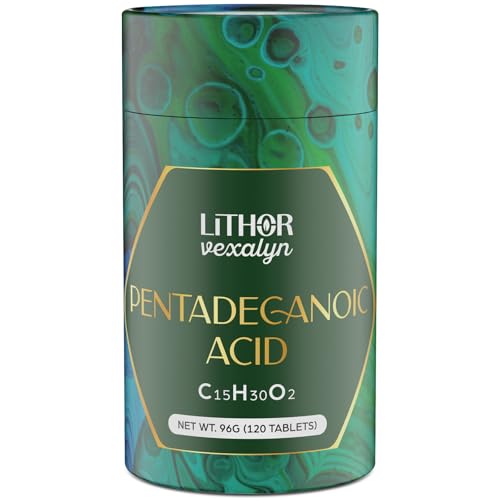
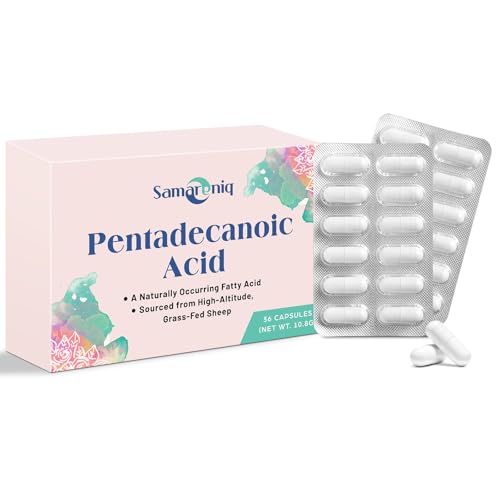
🛒 Where to Buy Pentadecanoic Acid (C15:0)
- Epitracker Fatty15 C15:0 Fatty Acid SupplementLab-tested / studied
capsules, 100 mg C15:0 per capsule; 1 capsule/day starter, 2 capsules/day maintenance — Category creator; the only C15:0 supplement backed by the original Epitracker research team (Venn-Watson et al.); uses a patented, sustainably-sourced pure C15:0 ingredient; most expensive per-capsule but reference product for all comparisons - Double Wood Supplements Pentadecanoic Acid C15:0
capsules, 200 mg C15:0 per serving (2 capsules) — One of the first genericized C15:0 supplements; significantly lower price than Fatty15; no independent clinical trials on this specific product; good option for budget-conscious buyers who want to trial the fatty acid - Sports Research Pentadecanoic Acid C15:0
softgels, 100 mg C15:0 per softgel — Established supplement brand with strong Amazon presence; third-party tested; softgel form may aid fat-soluble absorption; competitively priced mid-tier option - BulkSupplements Pentadecanoic Acid Powder (C15:0)
powder, 100–300 mg per measured serving — Most economical option for higher-dose protocols or stackers; requires a milligram-accurate scale; no excipients or additives; not recommended for beginners unfamiliar with powder dosing
As an Amazon Associate we earn from qualifying purchases. C15:0 products vary widely in how much pentadecanoic acid they actually contain, so check that the Supplement Facts panel lists C15:0 in milligrams as its own line item rather than bundling it into a fatty acid blend, and that the per-serving dose falls in the 100–300 mg range used in published research.

A Note on the Evidence
The mechanisms described here are based on preclinical research, small human studies, and hypotheses primarily advanced by researchers affiliated with Epitracker; independent large-scale clinical trials are lacking, and no regulatory body has approved C15:0 for any disease treatment or prevention. Individuals who are pregnant, nursing, or managing chronic health conditions should consult a qualified healthcare provider before adding any fatty acid supplement to their routine.
Frequently Asked Questions
What makes C15:0 different from other saturated fats mechanistically?
C15:0 is an odd-chain fatty acid, meaning its beta-oxidation produces propionyl-CoA in addition to acetyl-CoA, allowing it to feed directly into the TCA cycle as succinyl-CoA. Even-chain saturated fats like palmitic acid produce only acetyl-CoA. C15:0 also has distinct membrane-packing geometry and is proposed to act as a partial PPAR agonist, properties not associated with common even-chain saturates.
How does C15:0 activate PPAR receptors?
C15:0 is proposed to bind to PPAR-alpha and PPAR-delta as a partial agonist, meaning it activates these nuclear receptors but at a lower ceiling than full pharmaceutical agonists. PPAR-alpha activation influences fatty acid oxidation in the liver and heart; PPAR-delta activation relates to mitochondrial biogenesis and anti-inflammatory gene expression in muscle and other tissues. The clinical relevance of this partial activation via dietary C15:0 in humans is still being studied.
Does C15:0 actually improve mitochondrial function in people?
There are mechanistic reasons to hypothesize it could — membrane stabilization, anaplerotic TCA support via propionyl-CoA, and PPAR-delta activation all intersect with mitochondrial biology. However, direct clinical evidence demonstrating measurable mitochondrial function improvements in human subjects from C15:0 supplementation is not yet established. Most evidence is from cell studies, animal models, or indirect biomarker data.
Is C15:0 truly an essential fatty acid?
This is a hypothesis advanced by Epitracker researchers based on observed associations between low circulating C15:0 levels and adverse health outcomes, and on the proposed mechanisms described in this article. It has not been formally adopted by regulatory agencies, dietary guideline bodies, or mainstream nutrition science consensus panels. It remains an active and interesting scientific hypothesis rather than an established fact.
What is the connection between C15:0 and ferroptosis?
Ferroptosis is iron-dependent cell death driven by lipid peroxidation of membrane PUFAs. C15:0’s proposed membrane integration and PPAR-delta activity may modulate membrane lipid composition and lipid peroxide clearance pathways in ways that could reduce ferroptosis susceptibility. This connection is mechanistically proposed but has not been confirmed as a clinically meaningful effect in human supplementation studies.
Is C15:0 safe to supplement, and at what dose?
Published research has studied C15:0 at 100–300 mg per day and has not reported serious adverse events. As a naturally occurring dietary fatty acid, it has a reasonable safety basis at these doses. However, long-term large-scale human safety data is not yet available, and the FDA has not evaluated C15:0 supplements for any health claim. Anyone with existing health conditions or taking medications should consult a physician before supplementing.

References
- Efficacy of dietary odd-chain saturated fatty acid pentadecanoic acid parallels broad associated health benefits in humans: could it be essential?. Scientific Reports, 2020
- Pentadecanoic and Heptadecanoic Acids: Multifaceted Odd-Chain Fatty Acids. Advances in Nutrition, 2016
- New insights on pentadecanoic acid with special focus on its controversial essentiality: A mini-review. Biochimie, 2024
These statements have not been evaluated by the Food and Drug Administration. This information is not intended to diagnose, treat, cure, or prevent any disease. Content is for informational purposes only and is not medical advice; consult a qualified healthcare provider before starting any supplement. As an Amazon Associate we earn from qualifying purchases.
