Pentadecanoic acid, also known as C15:0, is an odd-chain saturated fatty acid that has attracted growing scientific attention over the past several years. Unlike most saturated fats, which have an even number of carbon atoms, C15:0 sits in a structurally distinct category that researchers are beginning to study more seriously. If you are curious about which everyday foods supply this fatty acid and how much you might realistically get from your plate, this guide covers what the current evidence says.
What Is C15:0 and Why Does Dietary Intake Matter?
C15:0 is a 15-carbon saturated fatty acid found naturally in certain animal-derived foods, particularly those from ruminant animals. It is considered a minor fatty acid, meaning it appears in relatively small concentrations compared to more abundant fats like palmitic acid (C16:0) or stearic acid (C18:0). Because humans have a limited ability to synthesize odd-chain fatty acids endogenously, dietary intake is the primary way most people accumulate C15:0 in their tissues.[1][2]
Blood levels of C15:0 are sometimes used in research as a biomarker for dairy fat consumption.[3][4] Emerging research, including work published through the National Institutes of Health, has linked higher circulating C15:0 with certain health associations, though this field is still developing. Understanding dietary sources is a practical first step for anyone interested in optimizing their intake. You can also read more about the potential benefits and science behind C15:0 on this site.
Top Foods High in C15:0
The most reliable dietary sources of pentadecanoic acid are full-fat dairy products and the meat of ruminant animals. Ruminants such as cows, sheep, and goats produce odd-chain fatty acids through a process called microbial fermentation in their digestive systems. This fermentation generates propionate, which serves as a building block for odd-chain fatty acids that then end up in the animal’s milk and body fat.[1]
Full-Fat Dairy Products
Full-fat dairy is consistently identified as the richest commonly available source of C15:0 in the human diet. Butter, whole milk, full-fat yogurt, cream, and aged cheeses all contribute meaningful amounts. Among these, butter and cream tend to have higher fat concentrations and therefore deliver more C15:0 per serving than low-fat dairy alternatives. Importantly, reduced-fat and fat-free dairy products supply significantly less C15:0 because the fatty acid is carried in the lipid fraction.
Grass-fed dairy appears to supply somewhat higher levels of odd-chain fatty acids compared to dairy from grain-fed cattle, though the difference is not dramatic. The feeding and management practices of the herd influence the final fatty acid composition of the milk to a modest degree.
Ruminant Meat
Beef, lamb, mutton, and goat meat contain C15:0 in their fat tissues, though generally at lower concentrations than full-fat dairy products. Fatty cuts of beef and lamb will provide more than lean cuts simply because the fatty acid is stored in adipose tissue. Organ meats from ruminants, including beef kidney and liver, may also carry detectable amounts.
Fish and Seafood
Certain fish and marine organisms contain small amounts of C15:0.[5] Fatty fish such as sardines, mackerel, and some species of salmon have been found to carry detectable concentrations of odd-chain fatty acids, though generally at lower levels than ruminant dairy and meat. Some marine algae and shellfish also contain trace quantities. Fish is not typically considered a primary source, but it may contribute to overall intake for people who eat seafood frequently.
Estimated Amounts in Common Foods
Precise milligram values for C15:0 across all foods are not yet uniformly cataloged in standard nutritional databases such as the USDA FoodData Central, as odd-chain fatty acids have historically received less analytical attention than even-chain fats. The table below summarizes relative concentrations based on available lipid profiling research, presented qualitatively to avoid overstating precision.
| Food Source | Relative C15:0 Content | Notes |
|---|---|---|
| Butter (full-fat) | High | Among the richest commonly eaten sources |
| Heavy cream | High | Similar lipid profile to butter |
| Aged hard cheese | Moderate to high | Varies by fat content and aging |
| Whole milk | Moderate | Lower per cup due to water content |
| Full-fat yogurt | Moderate | Reduced in low-fat versions |
| Lamb and mutton (fatty cuts) | Moderate | Higher in fattier portions |
| Beef (fatty cuts) | Low to moderate | Grass-fed may be slightly higher |
| Sardines and mackerel | Low | Detectable but minor contribution |
| Plant-based foods | Negligible | Not a meaningful source |
Who May Struggle to Get Enough C15:0 From Diet Alone
Several groups of people are more likely to have lower dietary C15:0 intake simply due to the foods they avoid or limit.
- Vegans and vegetarians: Because virtually all meaningful sources of C15:0 come from animal products, people following plant-based diets will typically have very low dietary intake and correspondingly lower circulating levels of this fatty acid.
- People avoiding full-fat dairy: Those who habitually choose low-fat or fat-free dairy to reduce calorie or saturated fat intake will consume substantially less C15:0 than people who include full-fat dairy regularly.
- People with lactose intolerance or dairy allergies: Individuals who avoid dairy entirely and do not compensate with ruminant meat may have limited exposure to this fatty acid.
- Older adults on restricted diets: Older individuals who eat smaller overall quantities of food, or who have been advised to limit animal fats due to cardiovascular concerns, may consume less C15:0 over time.
- Children on dairy-free diets: Pediatric populations managed for dairy allergies who do not consume other ruminant animal products may also have reduced exposure.
It is worth noting that current dietary guidelines do not set a specific recommended intake for C15:0, and whether any particular level of dietary intake is necessary for health is still an open research question.
Do Any Herbs, Plants, or Dietary Factors Boost C15:0?
There is currently no strong evidence that specific herbs, spices, or plant-based foods meaningfully raise C15:0 levels in the body. Some research suggests that dietary patterns favoring ruminant-derived foods naturally raise circulating C15:0 as a biomarker. There is no established evidence that precursor nutrients from plant foods are converted into C15:0 at physiologically meaningful rates in humans.
Consuming fermented dairy products such as kefir and aged cheeses may offer slightly different fatty acid profiles compared to fresh dairy, though the differences related specifically to C15:0 have not been well characterized in clinical studies.
How Do Dietary Sources Compare to Supplements?
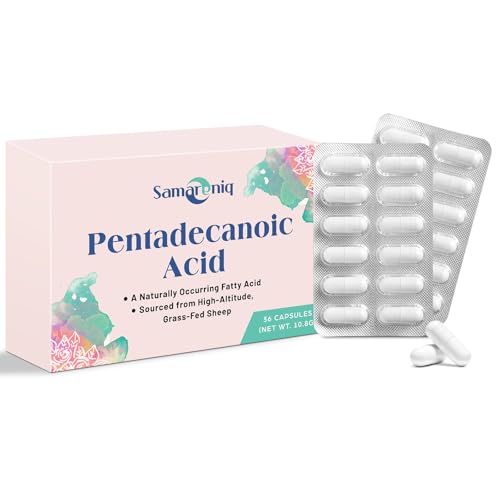
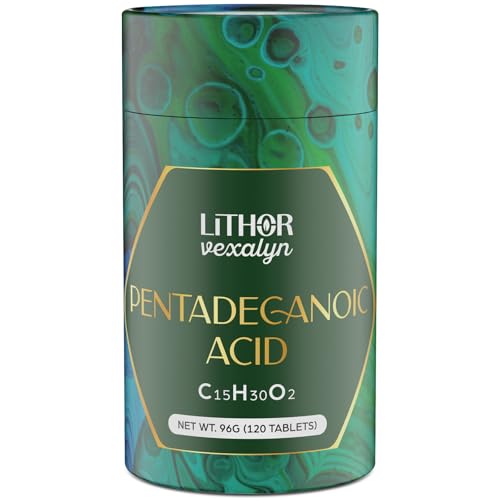
Supplements providing isolated or concentrated C15:0 have become available in recent years, typically derived from even-chain fatty acid precursors through industrial processes or from fatty acid fractions. These supplements are designed to deliver a standardized dose of pentadecanoic acid that would be difficult to achieve consistently through food alone, particularly for people who avoid dairy or animal products.
From a practical standpoint, obtaining C15:0 through whole foods comes with the added benefit of other nutrients found in those foods, such as calcium and vitamin B12 from dairy, or zinc and iron from meat. On the other hand, supplements offer precise dosing and are accessible to people whose diets exclude animal products. Learn more about C15:0 supplement formats and what the research says about their potential role.
For people who consume full-fat dairy products regularly, dietary intake may provide reasonable background exposure to C15:0. Whether that exposure reaches levels associated with the outcomes observed in research studies is not clearly established without measuring blood levels directly. Those with particular interest in optimizing their C15:0 status might consider discussing supplementation with a qualified healthcare provider, especially if their diet is predominantly plant-based. You can also explore our overview of how C15:0 compares to other fatty acid supplements for additional context.
Frequently Asked Questions
Which single food has the highest concentration of C15:0?
Among commonly eaten foods, butter and heavy cream tend to have the highest concentrations of C15:0 because they are almost entirely composed of milk fat. Dairy fat from ruminants is consistently identified in lipid research as the primary dietary vehicle for this odd-chain fatty acid. Aged hard cheeses are also among the higher sources, though the exact concentration varies by variety and production method.
Can you get enough C15:0 from a vegan diet?
Currently, there is no well-documented plant-based source that supplies meaningful amounts of C15:0. Vegans and those following strict plant-based diets are likely to have lower circulating levels of this fatty acid. Some researchers have proposed that this may be one dietary gap worth monitoring as the science around odd-chain fatty acids continues to develop. Supplementation is currently the most practical option for people who want to raise their C15:0 intake without consuming animal products.
Does grass-fed dairy contain more C15:0 than conventional dairy?
Some research suggests that the fatty acid profiles of dairy from grass-fed cattle differ modestly from grain-fed cattle, and odd-chain fatty acids including C15:0 may be slightly elevated in grass-fed dairy. However, the difference is not dramatic, and both types of full-fat dairy remain meaningful sources. Choosing grass-fed dairy may be a worthwhile preference, but it should not be viewed as a large multiplier of C15:0 content.
Is C15:0 the same as other odd-chain fatty acids like C17:0?
No. C15:0 (pentadecanoic acid) and C17:0 (heptadecanoic acid) are both odd-chain saturated fatty acids and share similar metabolic pathways and dietary sources, but they are distinct molecules with potentially different biological activities. Both tend to be found together in ruminant dairy and meat, and both are used in research as biomarkers of dairy fat intake. The scientific interest in C15:0 specifically has grown because of its distinct structural properties and the associations observed in epidemiological studies.
Should I stop avoiding saturated fat in order to increase C15:0?
This is a nuanced question that goes beyond the scope of general nutrition information and is best addressed with your personal healthcare provider. The relationship between saturated fat, odd-chain fatty acids like C15:0, and health outcomes is an active area of research. What current evidence does suggest is that not all saturated fatty acids behave identically in the body, and odd-chain fatty acids occupy a distinct category compared to even-chain saturated fats. Any changes to your dietary fat intake should be made thoughtfully and ideally with professional guidance tailored to your individual health context.
References
- A review of odd-chain fatty acid metabolism and the role of pentadecanoic acid (C15:0) and heptadecanoic acid (C17:0) in health and disease. Molecules, 2015. PMID 25647578.
- Odd-chain fatty acids as a biomarker for dietary fiber intake: a novel pathway for endogenous production from propionate. Am J Clin Nutr, 2017. PMID 28424190.
- Pentadecanoic and Heptadecanoic Acids: Multifaceted Odd-Chain Fatty Acids. Adv Nutr, 2016. PMID 27422507.
- Fatty acid biomarkers of dairy fat consumption and incidence of type 2 diabetes: A pooled analysis of prospective cohort studies. PLoS Med, 2018. PMID 30303968.
- Efficacy of dietary odd-chain saturated fatty acid pentadecanoic acid parallels broad associated health benefits in humans: could it be essential?. Sci Rep, 2020. PMID 32424181.
These statements have not been evaluated by the Food and Drug Administration. This information is not intended to diagnose, treat, cure, or prevent any disease. Content is for informational purposes only and is not medical advice; consult a qualified healthcare provider before starting any supplement. As an Amazon Associate we earn from qualifying purchases.
