Does Fatty15 Actually Work? What the Research Really Shows
Fatty15 markets its single ingredient, C15:0 (pentadecanoic acid), as a potentially essential fatty acid with wide-ranging benefits for healthy aging. That is a strong claim, and it deserves a clear-eyed answer. So does Fatty15 actually work? The short version: C15:0 is a real fatty acid with genuinely interesting early research behind it. Most of the mechanistic case still comes from cell and animal work by the company’s own scientists, but two independent randomized trials in people were published in 2024, and what they found was more modest than the marketing[1][2]. Here is what the data does and does not support.
What “Working” Would Mean
Fatty15 delivers C15:0, which the body incorporates into cell membranes. For the supplement to “work,” C15:0 would need to (1) reliably raise your C15:0 levels, and (2) translate that into measurable health benefits. The first is well established; the second is where the evidence is still maturing.
The Evidence For C15:0
Cell-membrane stability
Laboratory research reports that C15:0 strengthens cell membranes and reduces lipid peroxidation, a form of oxidative damage tied to a cell-death process called ferroptosis. This is one of the more mechanistically compelling findings.
Metabolic and liver markers
Observational studies have associated higher circulating C15:0 with more favorable metabolic and liver markers, and preclinical work has reported improvements in related pathways. Associations are not proof of cause, but they are consistent and repeated across datasets.
The “essential fatty acid” argument
A 2020 analysis argued C15:0 meets the criteria of an essential fatty acid, meaning the body benefits from getting it through diet. This reframing is the intellectual core of Fatty15’s pitch, and it is a legitimate hypothesis, but it is not yet a consensus position in nutrition science.
Where the Evidence Is Weak
- Limited independent human trials: much of the strongest data is in cells and animals, or is observational; large, long-term, independent randomized trials in people are limited.
- Company-affiliated research: a substantial share of the supportive studies involve the founders’ own group, which is common for novel ingredients but warrants caution.
- Benefit size is unclear: even where associations exist, how much a supplement moves real-world outcomes in healthy people is not well quantified.
So, Does Fatty15 Work?
If “work” means “reliably raises your C15:0 and is backed by promising early science on cell and metabolic health,” then yes. If “work” means “proven to extend lifespan, cure fatty liver, or replace fish oil in a healthy person,” then the evidence is not there yet. Fatty15 is best understood as a bet on a promising nutrient with real but early data, not a guaranteed intervention.

How to Judge It for Yourself
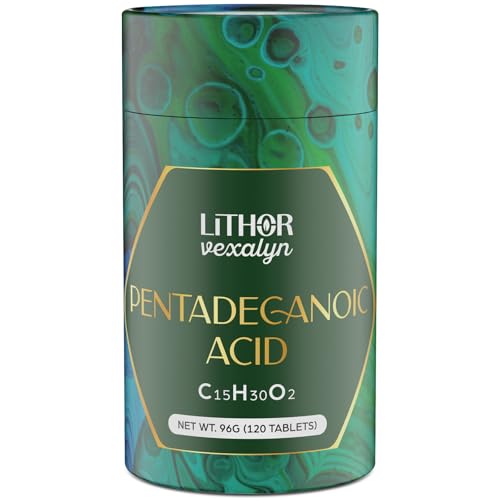
The most objective approach is to test your baseline C15:0 level, take a consistent dose for several months, and re-test, while tracking any markers your clinician monitors. If you want the C15:0 molecule without the premium, a generic pentadecanoic acid supplement provides the same active ingredient, see our Fatty15 alternatives guide.
Frequently Asked Questions
Does Fatty15 really work?
C15:0, the ingredient in Fatty15, has promising early research on cell-membrane and metabolic health, and it reliably raises C15:0 levels. But large independent human trials are limited, so it’s a promising nutrient rather than a proven cure.
How long does Fatty15 take to work?
There’s no established timeline for benefits. Because it’s incorporated into cell membranes over time, most protocols run for several months, and testing C15:0 levels before and after is the clearest way to confirm it’s raising your levels.
Is the science behind Fatty15 legit?
The research is real and published. A large share of the mechanistic work comes from the company’s own scientists, which is worth factoring in, but two independent randomized trials have now been run. They confirmed that supplementing raises blood C15:0 and found no safety signal, and they did not show a benefit on liver fat beyond what diet and weight loss achieved[1][2]. It’s legitimate early science, not settled fact.
Will Fatty15 help me lose weight or lower cholesterol?
Some markers have been associated with C15:0 in research, but Fatty15 is not a proven weight-loss or cholesterol drug. Treat those as possible, unguaranteed effects.
References
- Chooi YC, Zhang QA, Magkos F, et al. Effect of an Asian-adapted Mediterranean diet and pentadecanoic acid on fatty liver disease: the TANGO randomized controlled trial. American Journal of Clinical Nutrition. 2024;119(3):788-799. PMID 38035997
- Robinson MK, Lee E, Ugalde-Nicalo PA, et al. Pentadecanoic Acid Supplementation in Young Adults with Overweight and Obesity: A Randomized Controlled Trial. The Journal of Nutrition. 2024;154(9):2763-2771. PMID 39069269
- Venn-Watson S, Lumpkin R, Dennis EA. Efficacy of dietary odd-chain saturated fatty acid pentadecanoic acid parallels broad associated health benefits in humans: could it be essential? Scientific Reports. 2020;10:8161. PMID 32424181
- Venn-Watson S, Schork NJ. Pentadecanoic Acid (C15:0), an Essential Fatty Acid, Shares Clinically Relevant Cell-Based Activities with Leading Longevity-Enhancing Compounds. Nutrients. 2023;15(21). PMID 37960259
Related: Fatty15 Review · Fatty15 Alternatives · Fatty15 Side Effects
These statements have not been evaluated by the Food and Drug Administration. This information is not intended to diagnose, treat, cure, or prevent any disease. Content is for informational purposes only and is not medical advice; consult a qualified healthcare provider before starting any supplement. As an Amazon Associate we earn from qualifying purchases.
