Pentadecanoic acid, the fifteen-carbon saturated fatty acid known as C15:0, is not something most people consciously seek out at the grocery store. It arrives quietly in full-fat dairy products, certain oily fish, and the fat of grass-fed ruminants — foods that have been part of human diets for thousands of years. Only recently have researchers begun studying C15:0 in detail, proposing that it may play a meaningful role in cellular health rather than simply being a passive dietary constituent.
Researchers at Epitracker, led by Dr. Stephanie Venn-Watson, have advanced the hypothesis that C15:0 may function as an essential fatty acid — the first proposed essential saturated fat — based on its proposed ability to integrate into cell membranes, act as a partial agonist of PPAR-alpha and PPAR-delta receptors, and potentially reduce markers of cellular aging such as ferroptosis and senescence. This classification has not been formally adopted by regulatory bodies or mainstream nutrition science, and the research base is still developing. What is clear is that C15:0 is a real, measurable component of specific whole foods, and understanding where it concentrates can help people make more informed dietary choices.
Key Takeaways
- Full-fat dairy — butter, ghee, whole milk, cream, and hard cheeses — is the most accessible dietary source of C15:0 for most people in Western countries.
- Ruminant fat from grass-fed cattle, sheep, and bison contains meaningful C15:0 because rumen bacteria produce odd-chain fatty acids through fermentation.
- Oily cold-water fish such as sardines, mackerel, and herring provide C15:0 via the marine food chain, offering an option for those who limit dairy.
- Blood C15:0 levels closely track dairy fat intake and are used as an objective biomarker in nutrition research.
- The hypothesis that C15:0 is an essential fatty acid is proposed by Epitracker researchers and is not yet adopted by regulatory bodies; the evidence base is promising but still emerging.
What Makes C15:0 Unusual Among Saturated Fats
Most dietary saturated fatty acids have an even number of carbon atoms — think palmitic acid (C16:0) or stearic acid (C18:0). C15:0 is an odd-chain fatty acid, meaning its carbon backbone contains fifteen carbons rather than sixteen or eighteen. Odd-chain saturated fatty acids like C15:0 and heptadecanoic acid (C17:0) are present in much smaller quantities in the food supply and were historically considered metabolic curiosities with little physiological importance.
More recent research has prompted a reassessment. Odd-chain fatty acids are not synthesized efficiently by the human body from carbohydrates the way even-chain fats are; instead, dietary intake from ruminant-derived foods is thought to be the primary source for most people [1]. This means that food choices matter more for C15:0 status than for common saturated fats, and that populations who consume little or no dairy or ruminant meat may have meaningfully lower circulating levels.
Proposed mechanisms for C15:0’s biological activity include its incorporation into cell membranes where it may help stabilize membrane structure, its partial agonism of PPAR-alpha and PPAR-delta nuclear receptors involved in fatty acid metabolism and inflammation modulation, and a suggested role in reducing ferroptotic cell death and cellular senescence. These mechanisms are plausible but remain under active investigation, and no health claims have been approved by the FDA or other regulatory agencies.
Full-Fat Dairy: The Most Accessible Dietary Source
Full-fat dairy products are the most widely available and consistently studied dietary sources of C15:0 for people in Western countries. Butter, ghee, whole milk, cream, and aged hard cheeses all contain measurable amounts of this odd-chain fatty acid. The concentration in dairy fat is not large in absolute terms — C15:0 typically represents roughly 0.5 to 1.2 percent of total fatty acids in bovine milk fat — but across populations that consume dairy regularly, it becomes the dominant dietary contributor to circulating C15:0 levels.
Grass-fed and pasture-raised dairy cattle tend to produce milk with somewhat higher odd-chain fatty acid concentrations than grain-fed counterparts. This difference is attributed to rumen microbial fermentation: bacteria in the rumen of cattle produce odd-chain fatty acids as metabolic byproducts, and these are absorbed and incorporated into the animal’s milk and body fat. A grass-based diet appears to support rumen conditions that favor this production, though the magnitude of the difference varies and depends on multiple factors including breed, season, and farming practices.
Among dairy products, butter and ghee are particularly concentrated sources because they are nearly pure fat, while fluid whole milk delivers C15:0 in a lower concentration per gram but is often consumed in larger volumes. Hard aged cheeses such as Parmesan, aged cheddar, and Gouda deliver meaningful amounts alongside a lower moisture content. Choosing full-fat over reduced-fat dairy matters here: much of C15:0 resides in the fat fraction, so low-fat or skim dairy products contain substantially less.
Ruminant Meat and Animal Fats
Beyond dairy, the fat of ruminant animals — cattle, sheep, goats, bison, and deer — is the next most significant dietary source of C15:0. As with milk fat, the odd-chain fatty acids in ruminant body fat originate from microbial fermentation in the rumen. Beef tallow, lamb fat, and suet all contain C15:0, generally at concentrations somewhat similar to or slightly lower than those found in dairy fat.
Grass-finished beef tends to show higher odd-chain fatty acid concentrations than conventionally grain-finished beef, mirroring the pattern seen in dairy. Fatty cuts and organ meats that include significant adipose tissue will deliver more C15:0 per serving than lean cuts. Bone marrow, which is almost entirely fat, is also a meaningful source in traditional diets that include it.
Non-ruminant meats such as pork and chicken contain lower levels of C15:0 because pigs and poultry lack the ruminant digestive system that generates odd-chain fatty acids through fermentation. Their fatty acid profiles more closely reflect their diet rather than producing C15:0 through internal microbial processes.
Fish and Marine Sources
Certain fish and marine animals provide a secondary dietary route to C15:0. Oily cold-water fish — including mackerel, sardines, and herring — contain odd-chain fatty acids including C15:0 and C17:0, likely acquired through the marine food chain from phytoplankton and zooplankton that synthesize these compounds. The concentrations are generally lower than those found in full-fat dairy, but they offer an accessible pathway for people who do not consume dairy.
Fish also deliver C15:0 alongside well-established long-chain omega-3 fatty acids like EPA and DHA, making oily fish a nutritionally dense choice from multiple perspectives. Canned sardines and mackerel in particular are cost-effective options. Farmed fish may have different fatty acid profiles than wild-caught depending on what feed is used, which can affect odd-chain fatty acid content.
Seafood from marine mammals and certain shellfish can also contain odd-chain fatty acids, reflecting the broader marine biochemical synthesis pathways. These are not common foods for most people, but they represent how widely distributed C15:0 is across animal-based food systems.
How Dietary Patterns Shape C15:0 Status
Circulating levels of C15:0 in the blood are used by researchers as a biomarker of dairy fat intake in epidemiological studies, precisely because the body does not synthesize it efficiently on its own and dietary intake largely determines plasma and erythrocyte concentrations. This makes blood C15:0 a more reliable objective marker of dairy consumption than self-reported dietary records [2].
People following strictly plant-based diets will obtain little to no C15:0 from their food, since plant foods do not meaningfully contain this fatty acid. Whether this translates to clinically relevant differences in health outcomes is an open research question. The researchers proposing C15:0 as potentially essential cite declining C15:0 intake across populations that reduced full-fat dairy consumption as part of low-fat dietary guidance from the 1970s onward, hypothesizing a link to rising rates of chronic disease — though this remains correlational and the subject of ongoing investigation.
For those interested in supporting their dietary C15:0 intake through food rather than supplements, the practical approach is straightforward: include full-fat dairy products, consume fatty cuts of grass-fed or pastured ruminant meats when available, and eat oily fish regularly. These foods have established nutritional value independent of C15:0, which makes prioritizing them a reasonable dietary strategy regardless of where the C15:0 research ultimately lands.

C15:0 Supplements vs. Food Sources
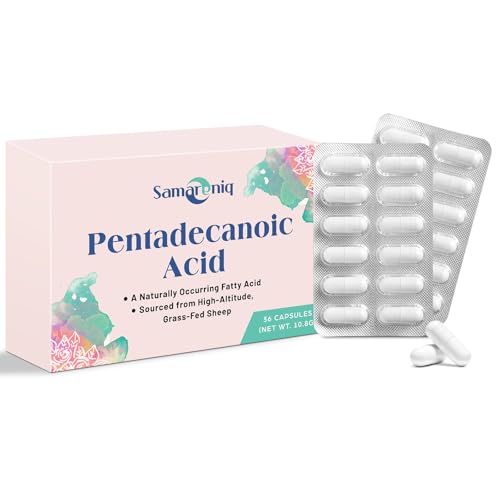
Commercially available C15:0 supplements, typically delivered as fatty15 in a stabilized ester form, have been studied at doses of 100 to 300 milligrams per day in early human research with no serious adverse events reported. These supplements aim to deliver a concentrated, purified dose that would be difficult to match through food alone without consuming large amounts of fat-rich dairy or meat.
Whether supplements offer advantages over dietary sources, or vice versa, is not yet settled. Food sources deliver C15:0 alongside a full matrix of other fats, proteins, vitamins, and minerals that may have synergistic or contextual effects. Supplements provide precision of dose and avoid the caloric load of consuming large amounts of dairy fat. For most people without specific medical concerns, whole food sources are a logical first approach, with supplements potentially relevant for those who want to ensure consistent intake or who do not consume animal products.
The FDA has not evaluated C15:0 supplements or foods for any disease treatment or prevention claims. Statements about C15:0 supporting cellular health or representing an essential nutrient reflect the working hypothesis of Epitracker researchers and have not been confirmed through the rigorous regulatory review process required for approved health claims.
🛒 Where to Buy Pentadecanoic Acid (C15:0)

- Epitracker Fatty15 C15:0 Fatty Acid SupplementLab-tested / studied
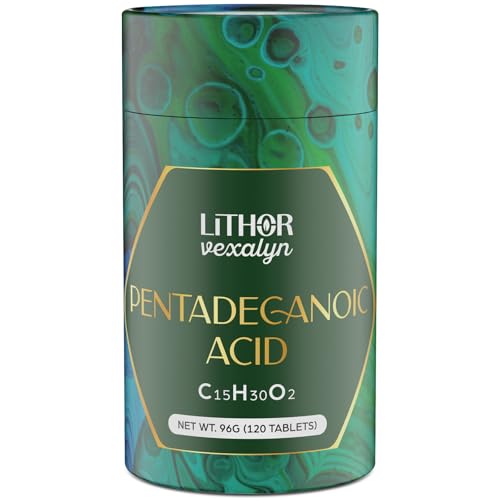
capsules, 100 mg C15:0 per capsule; 1 capsule/day starter, 2 capsules/day maintenance — Category creator; the only C15:0 supplement backed by the original Epitracker research team (Venn-Watson et al.); uses a patented, sustainably-sourced pure C15:0 ingredient; most expensive per-capsule but reference product for all comparisons - Double Wood Supplements Pentadecanoic Acid C15:0
capsules, 200 mg C15:0 per serving (2 capsules) — One of the first genericized C15:0 supplements; significantly lower price than Fatty15; no independent clinical trials on this specific product; good option for budget-conscious buyers who want to trial the fatty acid - Sports Research Pentadecanoic Acid C15:0
softgels, 100 mg C15:0 per softgel — Established supplement brand with strong Amazon presence; third-party tested; softgel form may aid fat-soluble absorption; competitively priced mid-tier option - BulkSupplements Pentadecanoic Acid Powder (C15:0)
powder, 100–300 mg per measured serving — Most economical option for higher-dose protocols or stackers; requires a milligram-accurate scale; no excipients or additives; not recommended for beginners unfamiliar with powder dosing
As an Amazon Associate we earn from qualifying purchases. C15:0 products vary widely in how much pentadecanoic acid they actually contain, so check that the Supplement Facts panel lists C15:0 in milligrams as its own line item rather than bundling it into a fatty acid blend, and that the per-serving dose falls in the 100–300 mg range used in published research.
A Note on the Evidence
The research on C15:0 as a potentially essential fatty acid is early and predominantly conducted or funded by Epitracker researchers; independent replication at scale is still ongoing, and no health claims have been approved by the FDA or established by mainstream nutrition guidelines. People with cardiovascular conditions, dairy allergies or intolerances, or those on specific therapeutic diets should consult a qualified healthcare provider before making significant changes to their fat intake or adding C15:0 supplements.
Frequently Asked Questions
Which food has the highest concentration of C15:0?
Butter and ghee tend to have the highest concentration of C15:0 per gram of food among commonly consumed items because they are nearly pure dairy fat. Aged hard cheeses and heavy cream are also rich sources. The actual amount per serving depends on portion size, so regular consumption of full-fat dairy across the day is the most practical way to increase intake through food.
Does grass-fed dairy really contain more C15:0 than conventional dairy?
Evidence suggests grass-fed and pasture-raised cattle produce milk with somewhat higher odd-chain fatty acid concentrations, including C15:0, compared to grain-fed cattle. This is attributed to differences in rumen microbial fermentation. However, both grass-fed and conventional full-fat dairy contain C15:0; the difference is one of degree rather than presence or absence.
Can people on plant-based diets get C15:0 from food?
Plant foods do not contain meaningful amounts of C15:0. People following strictly vegan diets will have very low dietary C15:0 intake. Whether this has health consequences is an open research question. Those on plant-based diets who are interested in C15:0 would need to consider supplements, as there is no well-established plant food source of this fatty acid.
Is C15:0 the same as the fat in regular butter I buy at the store?
C15:0 is one of many fatty acids present in butter, not the only or even dominant one. Butter’s fat profile is dominated by even-chain saturated fats like palmitic and stearic acid, along with butyric acid and oleic acid. C15:0 makes up a small but measurable fraction — roughly 0.5 to 1 percent of total fatty acids in typical butter — which is why butter is described as a source rather than a concentrated supplement.
How much C15:0 is in a typical serving of sardines?
C15:0 concentrations in fish vary by species, fat content, and whether the fish is wild-caught or farmed. Oily fish like sardines and mackerel contain C15:0 as part of a complex fatty acid profile, but in smaller absolute amounts per serving than full-fat dairy. Exact figures depend on the specific product and have not been as thoroughly characterized as dairy fat concentrations in published research.
Is taking a C15:0 supplement safer or better than eating dairy?
C15:0 supplements studied at 100 to 300 mg per day have not shown serious adverse events in published research, and they offer a precise, calorie-controlled dose. Whether supplements are superior, inferior, or equivalent to food sources for any particular outcome is not yet established. Whole dairy foods deliver C15:0 alongside other nutrients in a food matrix that may have its own benefits. The right approach depends on individual diet, health context, and goals — a conversation best had with a qualified healthcare provider.
References
- Pentadecanoic and Heptadecanoic Acids: Multifaceted Odd-Chain Fatty Acids. Advances in Nutrition, 2016
- Odd-chain fatty acids as a biomarker for dietary fiber intake: a novel pathway for endogenous production from propionate. The American Journal of Clinical Nutrition, 2017
- New insights on pentadecanoic acid with special focus on its controversial essentiality: A mini-review. Biochimie, 2024
These statements have not been evaluated by the Food and Drug Administration. This information is not intended to diagnose, treat, cure, or prevent any disease. Content is for informational purposes only and is not medical advice; consult a qualified healthcare provider before starting any supplement. As an Amazon Associate we earn from qualifying purchases.
