As we navigate the ever-evolving landscape of longevity science and metabolic optimization, new compounds frequently emerge, promising a deeper understanding of human health. One such molecule garnering significant attention from biohackers, longevity enthusiasts, and researchers alike is C15:0, or pentadecanoic acid. But what exactly is this odd-chain fatty acid, and why is it being discussed alongside established essential nutrients?
This article aims to provide a comprehensive, evidence-based exploration of C15:0 in 2026, dissecting its proposed benefits, the scientific research supporting these claims, and its safety profile. We will distinguish between robust epidemiological findings and the specific proprietary claims surrounding its supplemental form, fostering a genuinely curious and science-first understanding.
(Disclosure: This article contains affiliate links to products mentioned. We may earn a commission if you make a purchase through these links, at no extra cost to you. This helps support our research and content creation.)
What Is C15:0 (Pentadecanoic Acid)?
C15:0, chemically known as pentadecanoic acid, is a saturated fatty acid with an odd number of carbon atoms in its chain. Unlike the more common even-chain fatty acids like palmitic (C16:0) or stearic (C18:0) acid, C15:0 has 15 carbons.
While present in trace amounts in certain dairy fats and other animal products, its recognition as a potentially beneficial bioactive lipid is relatively recent. Its unique structure allows it to interact with biological systems in ways distinct from its even-chain counterparts.
The Odd-Chain Fatty Acid Hypothesis
The concept of odd-chain fatty acids (OCFAs) playing a unique role in human health has been a quiet area of nutritional science for decades. C15:0 stands out among OCFAs due to its relatively higher concentrations in some food sources and its increasing presence in epidemiological studies.

The hypothesis posits that OCFAs, including C15:0, may serve as biomarkers of health or even as active agents promoting cellular resilience and metabolic balance. This differs from the traditional focus on even-chain fatty acids as primary energy substrates or structural components.
The Discovery Story: From Biomarker to Bioactive
The journey of C15:0 from an obscure lipid to a subject of intense interest is fascinating and highlights the iterative nature of scientific discovery. Initially, C15:0 was primarily observed as a biomarker for dairy fat intake in large-scale nutritional epidemiology studies.
Researchers noticed consistent inverse associations between circulating levels of C15:0 and various markers of metabolic health, including lower risks of type 2 diabetes and cardiovascular disease. These observational findings sparked curiosity about whether C15:0 was merely a marker of a healthy diet or an active contributor to these positive outcomes.
Further investigation, particularly by companies like Epitracker (the parent company behind Fatty15), began to explore C15:0’s direct cellular effects. This shift from biomarker to potential bioactive agent marks a significant pivot in its scientific narrative, moving from correlation to potential causation.
C15:0 and Metabolic Health: Mechanisms and Research
The most compelling claims regarding C15:0 revolve around its potential impact on metabolic health. Research suggests several proposed mechanisms through which C15:0 might exert beneficial effects, though much of this is still under active investigation and validation.
Cellular Stability and Membrane Integrity
One primary proposed mechanism involves C15:0’s integration into cell membranes. As an odd-chain saturated fatty acid, it is hypothesized to strengthen cell membranes, making them more robust and less prone to oxidative damage.
This increased stability could protect cells from various stressors, contributing to overall cellular resilience. Research, including some published in Scientific Reports, has explored how C15:0 can incorporate into phospholipid membranes, potentially improving their function.
Mitochondrial Function and Energy Production
Another area of interest is C15:0’s potential role in enhancing mitochondrial function. Mitochondria are the powerhouses of our cells, and their efficient operation is crucial for metabolic health and longevity.
Early studies suggest that C15:0 may support mitochondrial health by improving their ability to generate ATP, the cell’s energy currency, and by reducing mitochondrial dysfunction [1]. These findings often derive from in vitro cell models and animal studies, warranting further human clinical trials.
Immune System Modulation
Emerging research also points to C15:0’s potential to modulate immune responses. Chronic low-grade inflammation is a hallmark of many age-related diseases and metabolic disorders.

Some studies indicate that C15:0 may help to calm overactive immune responses and reduce inflammatory signaling pathways [2]. This anti-inflammatory effect could contribute to a healthier metabolic profile and improved overall resilience, although the precise mechanisms are still being elucidated.
PPAR Activation and Gene Expression
C15:0 has been shown in some studies to activate specific receptors known as peroxisome proliferator-activated receptors (PPARs), particularly PPAR-alpha and PPAR-delta. These nuclear receptors play critical roles in regulating fatty acid metabolism, glucose homeostasis, and inflammatory responses.
By activating PPARs, C15:0 could influence a cascade of gene expression changes that promote beneficial metabolic adaptations. This mechanism is an active area of investigation, with implications for lipid metabolism and insulin sensitivity.
Is C15:0 an “Essential” Fatty Acid? Distinguishing Claims
The term “essential fatty acid” carries a very specific scientific definition: a fatty acid that the body cannot synthesize on its own and must obtain from the diet for proper physiological function. Historically, only omega-3 (alpha-linolenic acid) and omega-6 (linoleic acid) fatty acids have been unequivocally classified as essential.
While C15:0 is not currently recognized as an “essential” fatty acid by established nutritional bodies, the hypothesis that it may be “essential-like” or conditionally essential is gaining traction, particularly from proponents of C15:0 supplementation.
The argument often centers on the idea that while the body can theoretically synthesize small amounts of odd-chain fatty acids, dietary intake may be crucial for maintaining optimal cellular function, especially as we age or face metabolic challenges. This remains a compelling hypothesis under active investigation and not yet a universally accepted scientific classification.
Natural Sources of C15:0
While C15:0 is not abundant in most modern diets, it is naturally present in certain food items. Understanding these sources can help provide context for dietary intake versus supplemental approaches.
| Food Source | Approximate C15:0 Content (Relative) | Notes |
|---|---|---|
| Full-fat dairy products (milk, butter, cheese) | Moderate to High | Predominant dietary source. Levels can vary based on animal diet (e.g., grass-fed). |
| Ruminant meat (beef, lamb) | Low to Moderate | Present in the fat of these animals. |
| Certain fish oils | Trace amounts | Less significant compared to dairy. |
| Some plants (very rare) | Negligible | Not considered a meaningful dietary source. |
It is important to note that the C15:0 content in these foods can vary significantly. Modern dietary trends, often emphasizing low-fat dairy or lean meats, may contribute to lower baseline C15:0 levels in some populations compared to historical diets richer in full-fat animal products.
Safety Profile and Potential Side Effects
Given C15:0’s natural presence in the human diet, its safety profile appears generally favorable. Studies to date, including those conducted by supplement manufacturers, have not reported significant adverse effects at recommended dosages.
As with any supplement, individual responses can vary. Some individuals might experience mild digestive upset when first introducing a new fatty acid supplement, though this is not commonly reported with C15:0 specifically.
Pregnant or nursing individuals, or those with underlying medical conditions, should always consult their healthcare provider before starting any new supplement regimen. Long-term safety studies in diverse populations are continually being gathered and analyzed.
What to Look For in a C15:0 Supplement
For those considering C15:0 supplementation, several factors are important when evaluating products. The market for C15:0 is still developing, and quality can vary.
When searching for a C15:0 supplement, prioritize products that clearly state the exact form of C15:0 used, such as pure pentadecanoic acid. Look for transparency regarding sourcing and manufacturing processes.
Consider supplements that provide third-party testing for purity and potency. This ensures the product contains the advertised amount of C15:0 and is free from contaminants. Reputable brands often make these reports accessible to consumers.
Finally, check for appropriate dosages based on current research and manufacturer recommendations. Often, dosages are provided in milligrams per day, and it is prudent to start with a lower dose to assess individual tolerance.
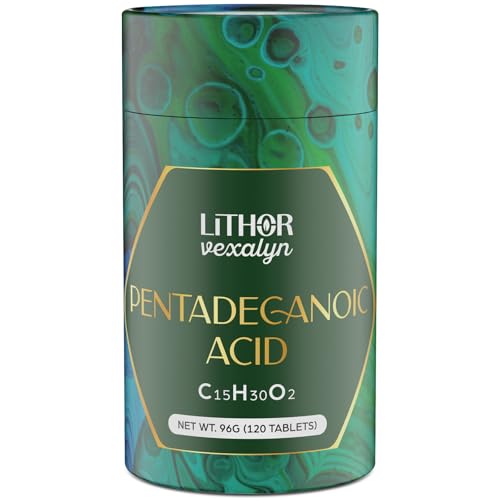
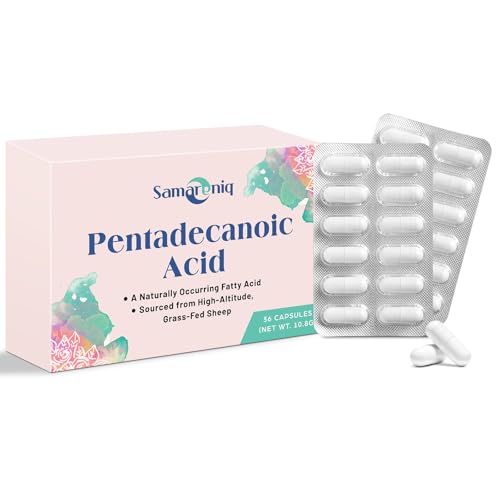
(Explore C15:0 supplements on Amazon by searching for pentadecanoic acid supplement or C15 fatty acid supplement. Also, look for brands offering pure C15 pentadecanoic acid.)
Conclusion: C15:0 in the Longevity Landscape
C15:0, or pentadecanoic acid, represents a compelling new frontier in the quest for optimal health and longevity. From its initial identification as a biomarker to its current investigation as a potential bioactive lipid, its story is a testament to ongoing scientific curiosity.
While the claims surrounding its “essential” status are still a hypothesis under active scientific review, the evidence for its potential roles in cellular stability, mitochondrial function, and immune modulation is growing. For those tracking the cutting edge of metabolic health and biohacking, C15:0 offers an intriguing area of focus.
As research continues to unfold, particularly through robust human clinical trials, our understanding of C15:0’s precise role in human health will undoubtedly deepen. It is a molecule worth watching as we strive to understand and optimize our biological resilience.

Frequently Asked Questions (FAQ)
What is the difference between C15:0 and other fatty acids?
C15:0 is an odd-chain saturated fatty acid with 15 carbon atoms, distinguishing it from more common even-chain fatty acids like C16:0 (palmitic acid) or C18:0 (stearic acid). Its unique structure is hypothesized to confer distinct biological properties, such as integrating into cell membranes for enhanced stability and interacting with specific metabolic pathways.
How does C15:0 contribute to metabolic health?
Research suggests C15:0 may support metabolic health through several mechanisms, including strengthening cell membranes, enhancing mitochondrial function for improved energy production, modulating immune responses to reduce inflammation, and activating PPAR receptors involved in regulating metabolism [3].
Is C15:0 an essential fatty acid like Omega-3 or Omega-6?
Currently, C15:0 is not officially classified as an “essential fatty acid” by established nutritional bodies, which reserve the term for nutrients the body cannot synthesize. However, some researchers and companies propose it may be “essential-like” or conditionally essential, suggesting that dietary intake is crucial for optimal health, a hypothesis under active investigation.
What foods are good sources of C15:0?
The primary natural dietary source of C15:0 is full-fat dairy products, including milk, butter, and cheese. It is also present in lower amounts in the fat of ruminant meats like beef and lamb. The exact content can vary based on factors such as animal diet.
Are there any known side effects of C15:0 supplementation?
C15:0 is naturally present in the diet, and studies to date have generally indicated a favorable safety profile with no significant adverse effects reported at recommended dosages. As with any supplement, mild digestive upset is theoretically possible but not commonly reported. It is always advisable to consult a healthcare provider before starting new supplements.
How does C15:0 relate to longevity and aging?
By promoting cellular stability, enhancing mitochondrial function, and modulating inflammation, C15:0 is hypothesized to support fundamental cellular processes that are critical for healthy aging. These mechanisms align with current longevity research focused on maintaining cellular resilience and metabolic efficiency over time.
These statements have not been evaluated by the FDA. This product is not intended to diagnose, treat, cure, or prevent any disease.
References
- Efficacy of dietary odd-chain saturated fatty acid pentadecanoic acid parallels broad associated health benefits in humans: could it be essential?. Scientific Reports, 2020
- Broader and safer clinically-relevant activities of pentadecanoic acid compared to omega-3: Evaluation of an emerging essential fatty acid across twelve primary human cell-based disease systems. PLOS ONE, 2022
- Pentadecanoic Acid (C15:0), an Essential Fatty Acid, Shares Clinically Relevant Cell-Based Activities with Leading Longevity-Enhancing Compounds. Nutrients, 2023
- New insights on pentadecanoic acid with special focus on its controversial essentiality: A mini-review. Biochimie, 2024
These statements have not been evaluated by the Food and Drug Administration. This information is not intended to diagnose, treat, cure, or prevent any disease. Content is for informational purposes only and is not medical advice; consult a qualified healthcare provider before starting any supplement. As an Amazon Associate we earn from qualifying purchases.
