Pentadecanoic acid, a 15-carbon saturated fatty acid known as C15:0, has attracted growing scientific attention since researchers at Epitracker proposed it may function as an essential fatty acid. Found naturally in full-fat dairy, certain fish, and ruminant fats, C15:0 is an odd-chain fatty acid that behaves differently from the more familiar even-chain saturated fats. Its proposed ability to integrate into cell membranes, modulate inflammatory pathways, and activate receptors involved in fatty acid metabolism has led to interest in its potential relevance to muscle health.
Interest in C15:0 and muscle specifically centers on two areas: proposed anti-inflammatory activity and potential relevance to age-related muscle loss, or sarcopenia. It is important to state clearly at the outset that human clinical trials directly examining C15:0 supplementation for exercise recovery or muscle building are largely absent from the published literature. What exists is a combination of mechanistic research and epidemiological observation. This article summarizes what is known, what remains theoretical, and where the evidence falls short.
Key Takeaways
- C15:0 is an odd-chain saturated fatty acid found in full-fat dairy, proposed to act as a PPAR-alpha/delta agonist and integrate into cell membranes with potential anti-inflammatory effects—but these mechanisms have not been confirmed in human exercise trials.
- One study found that intramuscular C15:0 accumulation activates AKT1 and triggers apoptotic signaling in the context of sarcopenia, illustrating that its role in muscle is complex and not simply protective [1].
- Research on a related odd-chain fatty acid (triheptanoin, C7:0) confirms this class of fats can be safely metabolized in humans over 24 weeks, though this does not directly validate C15:0 supplementation for athletes [2].
- Anti-inflammatory and exercise recovery benefits of C15:0 are theoretically plausible based on proposed PPAR receptor activity and membrane stabilization, but human exercise trials are currently absent from the literature.
- Anyone considering C15:0 supplementation for muscle health should consult a qualified healthcare provider and understand that the evidence base is early and incomplete.
What Is Pentadecanoic Acid and How Does It Work in the Body?
C15:0 is an odd-chain saturated fatty acid that humans obtain primarily through diet, particularly from full-fat dairy products and ruminant meat. Unlike most saturated fatty acids, which have an even number of carbons, odd-chain fatty acids like C15:0 are metabolized through a distinct pathway that produces propionyl-CoA, a precursor that feeds into the citric acid cycle as succinyl-CoA. This metabolic route gives C15:0 a different biochemical profile from even-chain fats and allows it to contribute carbon directly to energy-producing pathways.
Researchers associated with Epitracker have proposed that C15:0 acts as a partial agonist of PPAR-alpha and PPAR-delta receptors, which regulate fatty acid oxidation and inflammation. By activating these receptors, C15:0 may theoretically help shift the body toward burning fat for energy and dampening pro-inflammatory signaling. Additionally, C15:0 is thought to incorporate into cell membranes, potentially improving membrane stability and reducing vulnerability to oxidative damage. These proposed mechanisms are biologically plausible, but they have not been confirmed in controlled exercise intervention trials.
C15:0, Muscle Cell Biology, and Sarcopenia Research
One published study examined the role of pentadecanoic acid within muscle tissue in the context of sarcopenia research. That study found that intramuscular accumulation of C15:0 activates AKT1, which phosphorylates NCOR1 and triggers FOXM1-mediated apoptosis as part of the pathogenesis of sarcopenia [1]. This is a nuanced and sobering finding: AKT1 is generally regarded as a pro-survival, pro-anabolic signaling kinase in skeletal muscle, yet the downstream cascade observed in this study ultimately produced programmed cell death within aging, sarcopenic muscle tissue.

This research does not straightforwardly support the idea that C15:0 supplementation preserves or rebuilds muscle. Rather, it illustrates that C15:0’s role in muscle cell biology is complex and context-dependent. High intramuscular accumulation in aging muscle may reflect dysregulated fatty acid metabolism associated with a disease process, not a beneficial therapeutic signal. Careful interpretation of this finding is essential before drawing conclusions about supplementation in healthy, active individuals, and it underscores why human trials are needed.
Proposed Anti-Inflammatory Mechanisms Relevant to Exercise Recovery
Exercise-induced muscle damage triggers a temporary but necessary inflammatory response. During recovery, the body must resolve this inflammation efficiently to rebuild muscle fibers and restore function. Fatty acids influence this process substantially. Omega-3 fats, for example, are well-studied for their role in resolving inflammation through eicosanoid and resolvin pathways. C15:0 has been proposed to modulate inflammation differently, primarily through PPAR-delta agonism, which can suppress the NF-kB inflammatory signaling cascade and reduce the production of pro-inflammatory cytokines.
If C15:0 does act as a meaningful PPAR-delta agonist in humans at achievable dietary or supplemental concentrations, it could theoretically support a more favorable inflammatory profile following exercise. However, no published human trial has tested C15:0 supplementation against exercise-induced inflammation markers such as C-reactive protein, interleukin-6, or creatine kinase in athletic populations. The anti-inflammatory hypothesis for exercise recovery remains theoretical, and it would be premature to position C15:0 as an established recovery aid on this basis.
Odd-Chain Fatty Acid Metabolism: Evidence from Related Research
One reason researchers have become interested in odd-chain fatty acids is their unusual metabolic fate. Because odd-chain fats yield propionyl-CoA upon beta-oxidation, they can feed carbon into the citric acid cycle via succinyl-CoA. In tissues with high energy demands, such as working skeletal muscle, this additional substrate flexibility could theoretically be relevant, particularly when other fuel sources are constrained.
Clinical research on a related odd-chain fat, triheptanoin (a C7:0 triglyceride known as UX007), has demonstrated that odd-chain fatty acids can serve as viable metabolic substrates in humans. A 24-week study of UX007 in individuals with long-chain fatty acid oxidation disorders found an acceptable safety and tolerability profile in both children and adults [2]. While this study did not examine C15:0 or healthy exercising populations, it provides supporting evidence that the odd-chain fatty acid class can be safely metabolized and is not inherently problematic. Extrapolating from C7:0 research to C15:0 supplementation in athletes requires caution, as these are distinct compounds studied in distinct medical contexts.
Ferroptosis, Cellular Senescence, and the Aging Muscle Hypothesis
Two additional mechanisms proposed by Epitracker researchers may have theoretical relevance to muscle aging: reduced susceptibility to ferroptosis and a potential lowering of cellular senescence burden. Ferroptosis is a form of iron-dependent cell death driven by lipid peroxidation of cell membranes. Membranes enriched with unstable polyunsaturated fatty acids are considered more vulnerable to ferroptotic death under conditions of oxidative stress. By incorporating into membranes, C15:0 is hypothesized to reduce this vulnerability, potentially limiting ferroptosis in muscle cells during heavy training cycles.

Cellular senescence, the state in which cells stop dividing but remain metabolically active and secreting pro-inflammatory signals, is thought to accelerate sarcopenia and impair tissue repair. If C15:0 could reduce the accumulation of senescent cells in muscle tissue, this might have theoretical long-term implications for preserving muscle mass with age. These mechanisms are proposed based on cell culture and animal data. They have not been directly tested in human muscle physiology studies, and their practical relevance to exercise recovery in otherwise healthy adults is unknown.
Gaps in the Evidence: What Remains Unknown
The evidence base for C15:0 and muscle health remains at an early stage. No published randomized controlled trial has tested C15:0 supplementation in exercising humans and measured outcomes such as delayed-onset muscle soreness, strength recovery time, lean mass gain, or inflammatory biomarkers in a training context. The mechanistic proposals are scientifically interesting, but mechanism does not equal clinical outcome. Many compounds with strong mechanistic profiles fail to translate into meaningful benefits when tested in controlled human trials.
The finding that intramuscular C15:0 accumulation is associated with apoptotic signaling in sarcopenic muscle [1] introduces genuine complexity. Whether supplementing C15:0 in healthy, active individuals would produce different effects from those observed in aging, sarcopenic tissue is unknown. Dose, timing, baseline dietary intake, age, and training status may all influence outcomes. Until well-designed human exercise trials are published, claims about C15:0 improving recovery or reducing exercise-induced inflammation should be understood as hypothesis, not established fact.

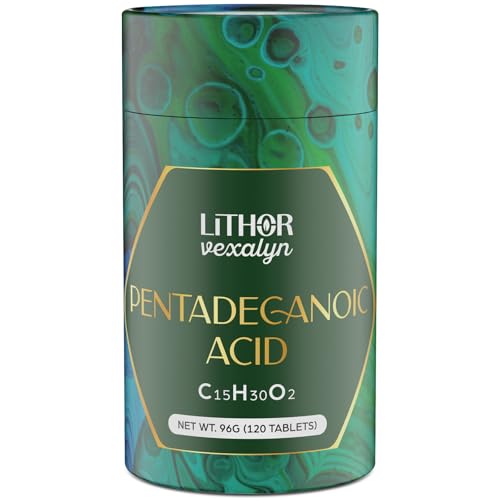
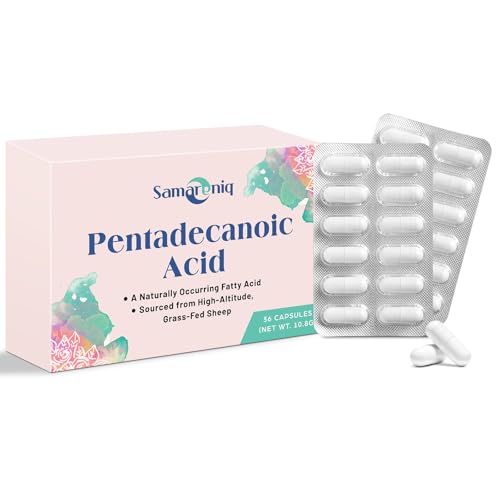
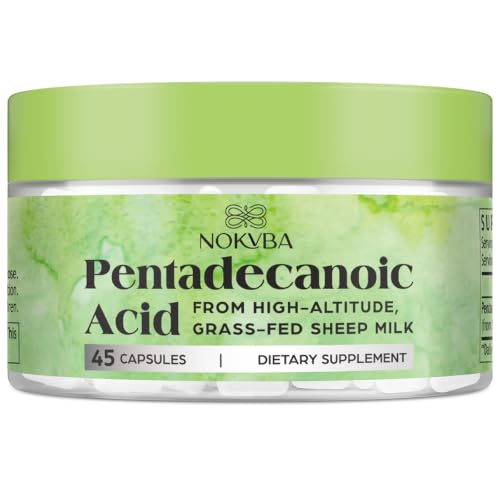
🛒 Where to Buy Pentadecanoic Acid (C15:0)
- Epitracker Fatty15 C15:0 Fatty Acid SupplementLab-tested / studied
capsules, 100 mg C15:0 per capsule; 1 capsule/day starter, 2 capsules/day maintenance — Category creator; the only C15:0 supplement backed by the original Epitracker research team (Venn-Watson et al.); uses a patented, sustainably-sourced pure C15:0 ingredient; most expensive per-capsule but reference product for all comparisons - Double Wood Supplements Pentadecanoic Acid C15:0
capsules, 200 mg C15:0 per serving (2 capsules) — One of the first genericized C15:0 supplements; significantly lower price than Fatty15; no independent clinical trials on this specific product; good option for budget-conscious buyers who want to trial the fatty acid - Sports Research Pentadecanoic Acid C15:0
softgels, 100 mg C15:0 per softgel — Established supplement brand with strong Amazon presence; third-party tested; softgel form may aid fat-soluble absorption; competitively priced mid-tier option - BulkSupplements Pentadecanoic Acid Powder (C15:0)
powder, 100–300 mg per measured serving — Most economical option for higher-dose protocols or stackers; requires a milligram-accurate scale; no excipients or additives; not recommended for beginners unfamiliar with powder dosing
As an Amazon Associate we earn from qualifying purchases. C15:0 products vary widely in how much pentadecanoic acid they actually contain, so check that the Supplement Facts panel lists C15:0 in milligrams as its own line item rather than bundling it into a fatty acid blend, and that the per-serving dose falls in the 100–300 mg range used in published research.
A Note on the Evidence
The evidence for C15:0 and muscle health is limited to early mechanistic and epidemiological research; no controlled human exercise trials have confirmed benefits for recovery or performance, and one published study found complex apoptotic signaling associated with intramuscular C15:0 accumulation in sarcopenic muscle [1]. This article is informational only and does not constitute medical advice; consult a qualified healthcare provider before starting any supplement, especially if you have an existing health condition or take medications.

Frequently Asked Questions
What is pentadecanoic acid and where does it come from?
Pentadecanoic acid (C15:0) is a 15-carbon odd-chain saturated fatty acid found naturally in full-fat dairy products, ruminant meats, and certain fish. It is not synthesized in meaningful amounts by the human body and is obtained through diet. Epitracker researchers have proposed it may function as an essential fatty acid, though this classification has not been adopted by regulatory agencies or mainstream nutrition science bodies.

Does research confirm that C15:0 supports muscle recovery after exercise?
No published human clinical trial has directly tested C15:0 supplementation for exercise recovery outcomes such as soreness, strength restoration, or training-induced inflammation. The recovery hypothesis is based on proposed PPAR receptor mechanisms and anti-inflammatory activity, not controlled exercise studies. At this time, the evidence is mechanistic and theoretical rather than clinical.
What did the sarcopenia study find about C15:0 in muscle tissue?
A study examining the pathogenesis of sarcopenia found that intramuscular accumulation of C15:0 activates AKT1, which phosphorylates NCOR1 and triggers FOXM1-mediated apoptosis (programmed cell death) in aging muscle tissue [1]. This finding illustrates complexity: C15:0 accumulation in sarcopenic muscle is associated with cell death signaling, not straightforward protection. Whether supplementing C15:0 in healthy, exercising individuals would produce a different outcome is not yet known.
Is C15:0 safe to supplement?
C15:0 supplements are generally reported as well-tolerated at studied doses (typically 100–300 mg/day) with no serious adverse events reported in published research. Evidence that odd-chain fatty acids as a class can be safely metabolized in humans is also supported by a 24-week clinical study of the C7:0 compound triheptanoin [2]. However, long-term safety data specific to C15:0 supplementation in healthy populations is limited, and individual circumstances vary—consulting a healthcare provider is advisable.
How does C15:0 compare to omega-3 fatty acids for inflammation?
Omega-3 fatty acids (EPA and DHA) have an extensive clinical evidence base for reducing exercise-induced inflammation and supporting recovery through eicosanoid and resolvin pathways. C15:0 is proposed to work through distinct mechanisms—PPAR receptor activation and membrane stabilization—but lacks comparable clinical trial data in exercising populations. Until head-to-head trials exist, drawing meaningful comparisons is premature; omega-3s currently have far stronger evidence for anti-inflammatory effects.
Should athletes consider C15:0 supplements for muscle health?
There is currently insufficient published evidence to make a specific recommendation for athletes seeking muscle recovery or performance benefits from C15:0. The theoretical mechanisms are worth continued scientific investigation, but one published study found complex apoptotic signaling associated with intramuscular C15:0 accumulation in the context of sarcopenia [1], which underscores that its effects in muscle tissue are not straightforwardly positive. Discuss any new supplement with a qualified healthcare provider before starting.
References
- Chen FX et al. Intramuscular accumulation of pentadecanoic acid activates AKT1 to phosphorylate NCOR1 and triggers FOXM1-mediated apoptosis in the pathogenesis of sarcopenia. American journal of translational research (2020). PMID 33042406
- Vockley J et al. UX007 for the treatment of long chain-fatty acid oxidation disorders: Safety and efficacy in children and adults following 24weeks of treatment. Molecular genetics and metabolism (2017). PMID 28189603
These statements have not been evaluated by the Food and Drug Administration. This information is not intended to diagnose, treat, cure, or prevent any disease. Content is for informational purposes only and is not medical advice; consult a qualified healthcare provider before starting any supplement. As an Amazon Associate we earn from qualifying purchases.
