Pentadecanoic acid, the saturated odd-chain fatty acid known as C15:0, has attracted growing scientific interest not just for its metabolic associations but for a possible role in immune regulation. Found naturally in full-fat dairy products and ruminant fats, C15:0 has for decades been used primarily as a biomarker of dairy intake in epidemiological research. More recently, researchers at Epitracker have proposed that C15:0 may function as a genuinely important dietary fat — one that integrates into cell membranes, acts as a partial agonist of PPAR-alpha and PPAR-delta receptors, and may influence inflammatory signaling pathways relevant to immune health.
The immune system depends on precisely calibrated inflammatory responses: strong enough to neutralize pathogens, but restrained enough to avoid chronic tissue damage. Several lines of early research now suggest odd-chain fatty acids including C15:0 may participate in this balancing act. This article reviews the current evidence honestly, noting where findings come from cell studies or observational data rather than human clinical trials, and what that means for interpreting the science.
Key Takeaways
- Early cell-based research shows that an odd-chain-fatty-acid-rich preparation (Pentadecyl®) can attenuate LPS-induced inflammatory cytokine production in microglial cells, though this has not yet been demonstrated for purified C15:0 in human immune cells [1].
- Observational data in psoriasis patients suggests plasma odd-chain fatty acid levels correlate with specific immune cell traits, but correlation does not establish causation [2].
- C15:0’s proposed partial PPAR-alpha/delta agonism provides a plausible mechanism for immune gene regulation, but this mechanism has not been confirmed in controlled human trials.
- Odd-chain fatty acids appear in immune-relevant contexts across multiple biological systems — gut microbiome, plant immunity, and microbial membranes — consistent with a broad functional role, though human clinical evidence specifically for C15:0 supplementation and immune outcomes remains sparse.
- The FDA has not evaluated C15:0 for any disease treatment or prevention; the designation of C15:0 as ‘essential’ is a hypothesis from Epitracker researchers and has not been formally adopted by mainstream regulatory or nutrition science bodies.
What Is C15:0 and How Does It Reach Immune Cells?
Pentadecanoic acid is a 15-carbon saturated fatty acid that enters the human body primarily through the consumption of full-fat dairy products such as milk, butter, and cheese, as well as the meat of ruminant animals. Unlike even-chain saturated fatty acids, odd-chain fats like C15:0 follow a distinct metabolic path. They are broken down via propionyl-CoA rather than acetyl-CoA, and this difference in metabolism may explain some of their unique biological effects.
Once absorbed, C15:0 can incorporate into the phospholipid bilayers of cell membranes, including those of immune cells. Researchers at Epitracker have proposed that when even-chain saturated fatty acids accumulate in membranes they increase rigidity in ways that may impair cell signaling, whereas C15:0 at physiological concentrations may help maintain appropriate membrane fluidity. This is a mechanistic hypothesis derived from cell and biochemical studies; direct evidence in primary human immune cells remains limited. C15:0 is also thought to act as a partial agonist at PPAR-alpha and PPAR-delta receptors — nuclear receptors with established roles in regulating inflammatory gene expression — which provides a plausible route by which the fatty acid could modulate immune signaling [3].
C15:0 and Innate Immune Cells: Evidence from Cell Studies
The most direct experimental evidence linking an odd-chain fatty acid preparation to immune cell behavior comes from a 2025 study examining Pentadecyl®, a triglyceride mixture derived from Aurantiochytrium oil that is rich in odd-chain fatty acids including C15:0. The study tested whether this preparation could influence inflammatory signaling in BV-2 microglial cells — a type of innate immune cell in the brain — that had been stimulated with lipopolysaccharide (LPS), a potent bacterial trigger of inflammation. The results showed that Pentadecyl® attenuated LPS-induced production of inflammatory cytokines in these cells [1].

Two important caveats apply to this finding. First, Pentadecyl® is a mixture of odd-chain triglycerides, not purified C15:0, so it is not yet possible to attribute the observed effect specifically to pentadecanoic acid. Second, BV-2 microglial cells are a murine cell line used as a convenient model; behavior in these cells does not always predict responses in primary human immune cells or in vivo. Nonetheless, the finding establishes a proof-of-concept for the idea that odd-chain fatty acids can dampen innate immune inflammatory signaling, and it provides a rationale for more targeted research.
Odd-Chain Fatty Acids, Plasma Levels, and Immune Cell Profiles
A 2025 prospective cohort study examined whether plasma levels of odd-chain fatty acids — including C15:0 — were associated with specific immune cell traits in people with psoriasis, a chronic inflammatory skin condition driven by dysregulated immune activity [2]. Psoriasis involves overactivation of innate and adaptive immune pathways, including elevated populations of certain T-cell subsets and pro-inflammatory cytokine signaling. Finding associations between circulating odd-chain fatty acid levels and immune cell characteristics in this population is suggestive but not causal: observational cohort data can identify correlations but cannot establish that C15:0 is driving immune changes rather than merely covarying with other dietary or metabolic factors.
Still, the study’s focus on immune cell traits — rather than just broad inflammatory markers — represents a more mechanistically informative approach than earlier epidemiological work. If replicated, associations between plasma C15:0 and quantifiable immune cell populations could help clarify whether the fatty acid deserves further investigation as a dietary modulator of immune balance in inflammatory skin conditions and potentially other immune-mediated diseases.
Macrophage Behavior, Gut Lipids, and the Broader Odd-Chain Fatty Acid Context
The relationship between dietary fatty acids and macrophage polarization is an active research area. Macrophages are central innate immune cells that shift between pro-inflammatory (M1-like) and anti-inflammatory or reparative (M2-like) activation states depending on environmental signals, including lipid signals. A 2025 study investigating ornithine lipids produced by the gut bacterium Akkermansia muciniphila found that these microbially derived lipids modulate macrophage inflammatory responses and are altered in colitis [4]. While ornithine lipids are structurally distinct from C15:0, this research illustrates a broader principle: lipid species from dietary and microbial sources can meaningfully shape macrophage behavior, and the gut environment is a key site where this crosstalk occurs.
The microbiome connection extends further. A 2025 review on microbial metabolites in allergic diseases noted that the conversation between gut bacteria and the immune system extends well beyond the well-studied short-chain fatty acids like butyrate and propionate [5]. Odd-chain fatty acids produced or modified by gut bacteria, as well as those absorbed from dairy fat, may contribute to immune tone through multiple pathways. This does not establish a specific therapeutic role for C15:0 supplements, but it places odd-chain fatty acid biology within a recognized framework of diet-microbiome-immune crosstalk that is being actively studied.

PPAR Receptors, Inflammatory Gene Regulation, and C15:0
PPAR-alpha and PPAR-delta are nuclear receptors that, when activated, regulate the transcription of genes involved in fatty acid oxidation, lipid metabolism, and — critically — inflammatory signaling. PPAR-alpha activation, for example, can suppress NF-κB-driven pro-inflammatory gene expression, which is why PPAR agonists have been investigated as anti-inflammatory agents in various contexts. Dairy-derived fatty acids and their metabolic associations have been examined in this context, with research noting that dairy-derived bioactive compounds, including fatty acids, may engage cardiovascular and metabolic pathways through mechanisms that include lipid receptor interactions [3].
The hypothesis that C15:0 functions as a partial PPAR-alpha/delta agonist, rather than a full agonist, is considered potentially advantageous by Epitracker researchers because full PPAR agonism (as seen with some pharmaceutical drugs) has been associated with side effects. Partial agonism would, in theory, provide more moderate, physiologically calibrated signaling. This remains a hypothesis supported by biochemical and cell data, not by clinical trial evidence; it has not been validated in human immune studies specifically designed to measure PPAR-mediated effects of dietary C15:0.

Plant and Microbial Models: Placing Odd-Chain Fatty Acid Immunity Research in Context
Research on odd-chain fatty acids and immune function is not limited to mammals. A 2023 study in Arabidopsis thaliana identified two enzymes — MHP1 and MHL — that generate odd-chain fatty acids from 2-hydroxy fatty acids within sphingolipids, and showed that these pathways relate to immunity in the plant model [6]. While plant immune systems differ fundamentally from mammalian ones and these findings cannot be directly translated to human biology, the conservation of odd-chain fatty acid involvement in immune-like responses across very different organisms is scientifically notable. It hints at an ancient functional role for this class of lipids in biological defense signaling.
Similarly, research on cyanobacterial lipopolysaccharides has shown that the lipid composition of microbial outer membranes — which can include odd-chain fatty acids — influences their immunostimulatory properties and interaction with pattern-recognition receptors of the innate immune system [7]. Again, this does not translate directly into guidance about C15:0 supplementation, but it adds to the conceptual picture of odd-chain fatty acids appearing at biological interfaces where immune recognition occurs.
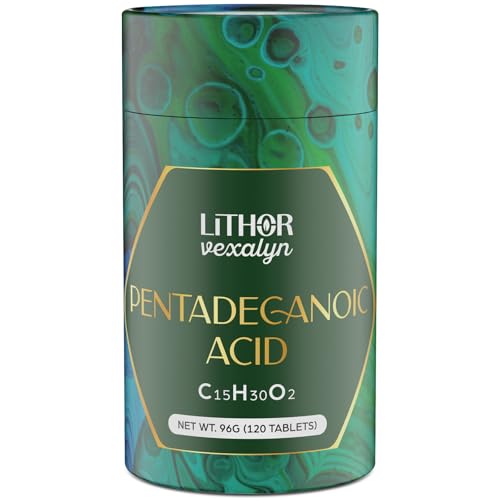
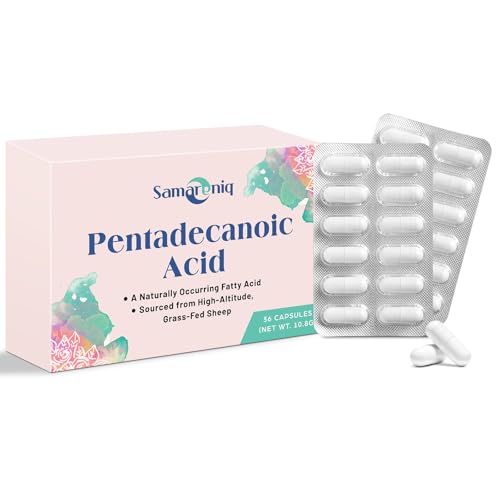
🛒 Where to Buy Pentadecanoic Acid (C15:0)

- Epitracker Fatty15 C15:0 Fatty Acid SupplementLab-tested / studied
capsules, 100 mg C15:0 per capsule; 1 capsule/day starter, 2 capsules/day maintenance — Category creator; the only C15:0 supplement backed by the original Epitracker research team (Venn-Watson et al.); uses a patented, sustainably-sourced pure C15:0 ingredient; most expensive per-capsule but reference product for all comparisons - Double Wood Supplements Pentadecanoic Acid C15:0
capsules, 200 mg C15:0 per serving (2 capsules) — One of the first genericized C15:0 supplements; significantly lower price than Fatty15; no independent clinical trials on this specific product; good option for budget-conscious buyers who want to trial the fatty acid - Sports Research Pentadecanoic Acid C15:0
softgels, 100 mg C15:0 per softgel — Established supplement brand with strong Amazon presence; third-party tested; softgel form may aid fat-soluble absorption; competitively priced mid-tier option - BulkSupplements Pentadecanoic Acid Powder (C15:0)
powder, 100–300 mg per measured serving — Most economical option for higher-dose protocols or stackers; requires a milligram-accurate scale; no excipients or additives; not recommended for beginners unfamiliar with powder dosing
As an Amazon Associate we earn from qualifying purchases. C15:0 products vary widely in how much pentadecanoic acid they actually contain, so check that the Supplement Facts panel lists C15:0 in milligrams as its own line item rather than bundling it into a fatty acid blend, and that the per-serving dose falls in the 100–300 mg range used in published research.
A Note on the Evidence
The evidence for C15:0 and immune function is preliminary, consisting largely of cell studies, plant models, and observational human data; no large randomized controlled trials in humans have specifically tested C15:0 supplementation for immune outcomes. Individuals who are immunocompromised, pregnant, breastfeeding, or taking immunomodulatory medications should consult a qualified healthcare provider before using any fatty acid supplement. This article is informational only and does not constitute medical advice; the FDA has not evaluated C15:0 for the treatment or prevention of any disease.
Frequently Asked Questions
What is pentadecanoic acid (C15:0) and what does it have to do with the immune system?
Pentadecanoic acid is a 15-carbon odd-chain saturated fatty acid found in full-fat dairy and ruminant fats. Researchers have proposed it may support immune balance by incorporating into cell membranes and partially activating PPAR-alpha and PPAR-delta receptors, which regulate inflammatory gene expression. Early cell research shows that preparations rich in odd-chain fatty acids including C15:0 can dampen inflammatory cytokine production in immune cells stimulated with a bacterial trigger [1].
Is there human evidence that C15:0 improves immune function?
Direct human clinical trial evidence specifically measuring immune function outcomes with C15:0 supplementation is currently lacking. A 2025 prospective cohort study found associations between plasma odd-chain fatty acid levels and immune cell traits in people with psoriasis, which is observational rather than interventional [2]. Human clinical trials designed to test C15:0 on immune endpoints are needed before conclusions can be drawn.
How might C15:0 help balance inflammation rather than simply suppress it?
C15:0 is proposed to act as a partial agonist at PPAR nuclear receptors, which could modulate — rather than broadly suppress — inflammatory gene expression. Cell studies suggest dairy-related lipids interact with metabolic and cardiovascular pathways through receptor-mediated mechanisms [3], and separately, odd-chain fatty acid preparations have shown the ability to reduce LPS-triggered cytokine production in microglial cells without completely shutting down the inflammatory response [1]. ‘Balance’ rather than suppression is the theoretical framing, but this has not been confirmed in controlled human studies.
Could gut bacteria affect how odd-chain fatty acids interact with the immune system?
Possibly. Research shows that lipids produced by gut bacteria — such as ornithine lipids from Akkermansia muciniphila — can shape macrophage inflammatory responses, and these microbially derived lipids shift dynamically in inflammatory gut conditions like colitis [4]. A 2025 review also noted that microbial metabolites beyond short-chain fatty acids, which may include odd-chain fatty acids, contribute to immune regulation in allergic diseases [5]. This suggests the gut microbiome context may influence how dietary C15:0 affects immune tone, though the specific interactions require more research.

What dose of C15:0 has been studied and is it safe?
Published research on C15:0 supplementation has primarily used doses in the range of 100–300 mg per day. Studies to date have reported no serious adverse events at these doses, and the compound is described as generally well-tolerated. However, the evidence base is still early and small, and long-term safety data from large-scale trials are not yet available. Anyone with a health condition or taking medications should consult a healthcare provider before starting any new supplement.
Is C15:0 the same thing as a standard dairy supplement or shilajit?
No. C15:0 is a specific fatty acid found in full-fat dairy and ruminant fats; it is not a component of shilajit, which is a resin-based substance from mountain rocks containing fulvic acid, humic acids, and trace minerals. C15:0 supplements are typically derived from sources such as algae-based triglyceride oils (like Aurantiochytrium). The two substances have entirely different compositions and proposed mechanisms, and should not be conflated.

References
- Tsuruta K et al. Pentadecyl®, an odd-chain-rich triglyceride mixture derived from Aurantiochytrium oil, attenuates lipopolysaccharide-induced inflammatory cytokine production in BV-2 microglial cells. International immunopharmacology (2025). PMID 40349404
- Shi R et al. Association between plasma odd-chain fatty acid levels and immune cell traits in psoriasis: insights from a prospective cohort study. Frontiers in immunology (2025). PMID 40356914
- Mozaffarian D et al. Flavonoids, Dairy Foods, and Cardiovascular and Metabolic Health: A Review of Emerging Biologic Pathways. Circulation research (2018). PMID 29348256
- Selmi H et al. Ornithine lipids from Akkermansia muciniphila are dynamically modulated in colitis and shape macrophage inflammatory responses. Gut microbes (2025). PMID 41399961
- Morillas-Armenta J et al. Microbial Metabolites in Allergic Diseases: Beyond Short-Chain Fatty Acids. Current allergy and asthma reports (2025). PMID 41214356
- Ushio M et al. MHP1 and MHL generate odd-chain fatty acids from 2-hydroxy fatty acids in sphingolipids and are related to immunity in Arabidopsis thaliana. Plant science : an international journal of experimental plant biology (2023). PMID 37619867
- Durai P et al. Structure and Effects of Cyanobacterial Lipopolysaccharides. Marine drugs (2015). PMID 26198237
These statements have not been evaluated by the Food and Drug Administration. This information is not intended to diagnose, treat, cure, or prevent any disease. Content is for informational purposes only and is not medical advice; consult a qualified healthcare provider before starting any supplement. As an Amazon Associate we earn from qualifying purchases.
