C15:0, or pentadecanoic acid, is an odd-chain saturated fatty acid that occurs naturally in dairy fat and certain fish. For decades it was treated mostly as a dietary biomarker, a way for researchers to estimate how much full-fat dairy someone was eating. That changed once scientists started looking at what the molecule actually does once it is inside a cell, rather than just measuring it in blood samples.
Disclosure: This article contains affiliate links. If you purchase through them, we may earn a commission at no extra cost to you. This does not influence our editorial content.
Why Chain Length and Structure Matter
Most saturated fatty acids in the human diet, like palmitic acid and stearic acid, have an even number of carbon atoms. C15:0 is unusual because it has an odd number, fifteen. That structural quirk changes how it is metabolized, how it inserts into cell membranes, and how it interacts with the enzymes that break fats down for energy.
Odd-chain fatty acids like C15:0 and C17:0 are processed through slightly different metabolic pathways than their even-chain cousins.[1] This is part of why researchers have taken a fresh look at pentadecanoic acid rather than lumping it in with saturated fat in general.
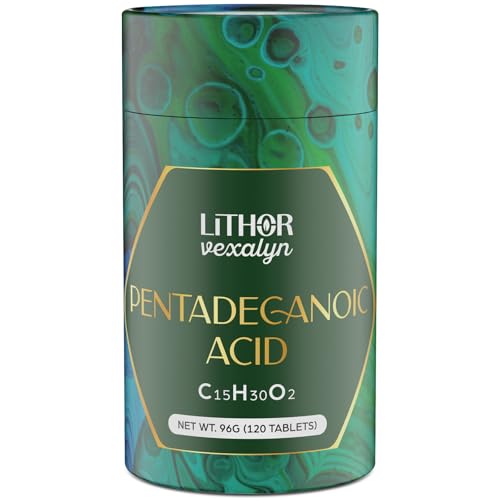
Cell Membrane Support
One of the more consistently discussed mechanisms is C15:0’s role in cell membrane composition. Cell membranes are not static walls, they are dynamic structures built from a mix of fatty acids that determine how flexible, stable, and functional a cell is. Researchers have proposed that pentadecanoic acid integrates into these membranes in a way that may support their structural integrity.
This membrane-level activity is one reason C15:0 has been studied in the context of red blood cell health and general cellular resilience, rather than a single narrow use case.
Mitochondrial and Metabolic Activity
Mitochondria, the energy-producing structures inside cells, are sensitive to the type of fatty acids available to them. Preliminary research has explored whether C15:0 supports mitochondrial function, which would tie into broader claims about energy metabolism and cellular health.[2]
It is worth being direct here: this area of research is still developing. Mechanistic plausibility in cell and animal models does not automatically translate into a guaranteed effect in every person who supplements with it.
Interaction With Inflammatory Pathways
Some of the interest in C15:0 stems from its proposed interaction with inflammatory signaling. Chronic low-grade inflammation is linked to a wide range of age-related conditions, and researchers have been curious whether an essential fatty acid gap involving odd-chain fats like C15:0 might play a role in that picture.[3]
This remains an active area of study rather than a settled conclusion, and readers should treat early findings as a starting point for more research, not a final verdict.
What This Means for Supplementation
Because whole-fat dairy consumption has declined over recent decades as many people shifted to reduced-fat products, average dietary intake of C15:0 has dropped as well. That is part of the rationale behind treating it as a nutrient worth tracking, similar to how omega-3 fatty acids are treated when diets fall short.
If you are considering a C15:0 supplement, look for a product that clearly states its pentadecanoic acid content per serving and has third-party testing to confirm purity, since fatty acid supplements can vary widely in quality between brands.
Frequently Asked Questions
Is C15:0 the same as a normal saturated fat?
Structurally it is a saturated fatty acid, but its odd carbon chain length gives it different metabolic behavior than common even-chain saturated fats like palmitic acid.
Does the body make its own C15:0?
The body can produce small amounts through gut bacterial fermentation, but dietary intake, mainly from dairy fat, is the primary source for most people.[4]
Why did researchers start calling it an essential fatty acid?
Some researchers have proposed reclassifying it based on findings that it cannot always be synthesized in sufficient quantity and appears to play a structural role in cells, though this classification is still debated.[5]
Can I just eat more full-fat dairy instead of supplementing?
Full-fat dairy is a natural source, but portion sizes needed to match supplement doses can be significant, which is why some people prefer a standardized supplement.
Are there risks to taking a C15:0 supplement?
As with any saturated fat, moderation matters, and anyone with existing cardiovascular or metabolic conditions should talk to a doctor before adding a new supplement.
These statements have not been evaluated by the FDA. This product is not intended to diagnose, treat, cure, or prevent any disease.
References
- A review of odd-chain fatty acid metabolism and the role of pentadecanoic acid (C15:0) and heptadecanoic acid (C17:0) in health and disease. Molecules, 2015
- Molecular and cellular mechanisms of pentadecanoic acid. World Journal of Biological Chemistry, 2025
- Efficacy of dietary odd-chain saturated fatty acid pentadecanoic acid parallels broad associated health benefits in humans: could it be essential?. Scientific Reports, 2020
- Effect of Microbial Status on Hepatic Odd-Chain Fatty Acids Is Diet-Dependent. Nutrients, 2021
- New insights on pentadecanoic acid with special focus on its controversial essentiality: A mini-review. Biochimie, 2024
These statements have not been evaluated by the Food and Drug Administration. This information is not intended to diagnose, treat, cure, or prevent any disease. Content is for informational purposes only and is not medical advice; consult a qualified healthcare provider before starting any supplement. As an Amazon Associate we earn from qualifying purchases.
