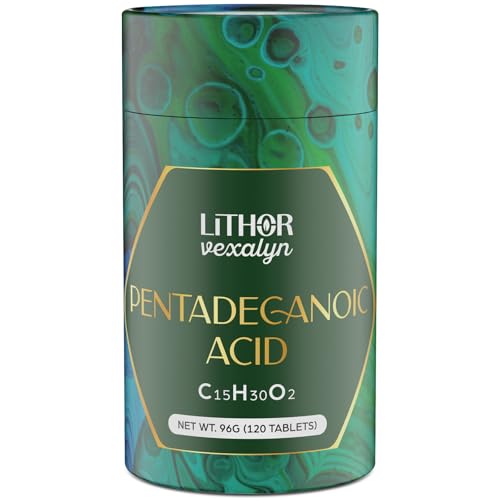
Based on current evidence, C15:0 (pentadecanoic acid) appears to be safe for most healthy adults, particularly when consumed through whole food sources like full-fat dairy. The supplement form is newer and less studied, so a degree of caution is reasonable, and anyone with specific health conditions should speak with a clinician before adding it.
What the research says
C15:0 is an odd-chain saturated fatty acid found naturally in dairy fat, some fish, and certain plants.[1] It has been part of the human diet for as long as people have consumed these foods, which gives it a meaningful baseline safety record that synthetic or novel compounds simply do not have.
The clinical and preclinical research on C15:0 as a standalone supplement is still early-stage. Most of the human evidence comes from epidemiological studies measuring circulating C15:0 levels as a biomarker of dairy intake, not from long-term supplementation trials. The cell-based and animal studies that have generated excitement about C15:0 are genuinely interesting, but they do not yet confirm the same effects will occur in humans taking capsules over years.
Common side effects: No serious adverse effects have been formally documented in the published literature at this stage. The fatty acid is naturally occurring and the body has established pathways for metabolizing it. That said, the absence of reported harms partly reflects the absence of large, long-term human trials rather than a confirmed clean safety profile.
Dosing: The supplemental doses being commercially promoted (typically 200-400 mg per day) are broadly in the range of what a person eating a moderate amount of full-fat dairy would consume, which is reassuring. Very high doses have not been tested in humans, so there is no basis for assuming more is better.
Drug and condition interactions: No specific drug interactions have been formally identified, but C15:0 is reported to activate AMPK and inhibit mTOR.[2] These are significant metabolic pathways. People taking medications that also affect these pathways, such as metformin or rapamycin-class drugs, should discuss C15:0 supplementation with their prescriber before starting it.
Pregnancy and breastfeeding: There is no dedicated safety data for C15:0 supplementation during pregnancy or breastfeeding. Dietary intake through whole dairy is a different matter and has a long history of being considered safe, but isolated supplementation during these periods has not been studied.
Conflict of interest concerns: A meaningful portion of the most enthusiastic C15:0 research traces back to a single company with a commercial interest in C15:0 supplements. This does not mean the research is wrong, but it does mean independent replication is needed before the strongest claims can be taken as settled.[3] Readers should weigh this when evaluating the evidence.
Quality and contamination: Supplement quality varies widely between brands. Because C15:0 supplements are not regulated with the same rigor as pharmaceuticals, sourcing from a brand that conducts third-party testing for purity and heavy metals is worthwhile.[4]
What real users report
The Reddit discussions available paint a nuanced picture. Most people discussing C15:0 are doing so in the context of broader dietary philosophies rather than reporting direct personal experience with supplements, which is worth noting upfront.
Theme 1: General enthusiasm, mostly theoretical
Across communities like r/SaturatedFat and r/longevity, users frequently express genuine excitement about C15:0, describing it as potentially “the next omega-3.” Much of this enthusiasm is based on reading the research rather than personal supplementation experience. One user described hearing about C15:0 from a physician friend and being drawn to its metabolic implications. The tone in these spaces is largely optimistic, but the discussion often stays at the level of interpreting studies rather than reporting what the compound did for them personally.
Theme 2: Food-first perspective
A recurring and sensible position across r/nutrition and r/ScientificNutrition is that dietary sources, specifically full-fat dairy and certain fish, are preferable to supplementation. One user was direct: “Food is always better than any supplement.” This view aligns with the epidemiological evidence, which has primarily studied dietary C15:0 rather than isolated supplementation. Interestingly, at least one vegan user reported deliberately adding C15:0 through a custom fat blend involving stearic acid flakes, suggesting the supplement form is attracting people who cannot or choose not to eat dairy.
Theme 3: Skepticism about the research base
Several users in r/SaturatedFat and r/ScientificNutrition raised substantive concerns about the evidence. One commenter pointed out that practically all of the high-profile C15:0 studies can be traced back to a single company, Epitracker and its associated entity. Another user flagged a specific paper as methodologically misleading, noting that pentadecanoic acid was cited as a validated biomarker in the introduction but was never actually measured in the study itself. These are not fringe complaints; they reflect real questions about independent validation that the scientific community has also raised.
Theme 4: Topical use and skin concerns
In r/SebDerm, users discussing ingredient lists flagged pentadecanoic acid (C15:0) as one of the fatty acids in the C11-C24 chain length range that the fungus Malassezia can potentially metabolize, which is linked to seborrheic dermatitis and fungal acne flares. One user noted they would avoid products containing such fatty acids due to a history of significant flare-ups. This is specifically about topical cosmetic products, not oral supplementation, but it is a practical concern worth noting for people prone to fungal skin conditions who are evaluating ingredient labels.
Theme 5: No dramatic negative reports from oral use
Notably, the Reddit discussions do not contain users describing serious adverse reactions from taking C15:0 orally. This is a limited dataset and absence of reports is not the same as confirmed safety, but it is consistent with the general research picture: the compound does not appear acutely harmful for most people at typical doses.
Who should be cautious
- People who are pregnant or breastfeeding, due to a complete absence of supplementation safety data in these groups
- Anyone taking metformin, rapamycin, or other drugs that affect the AMPK or mTOR pathways
- People with known liver conditions, as C15:0 is metabolized hepatically and the effects at higher doses in compromised livers are not well studied
- People prone to seborrheic dermatitis or fungal acne who are evaluating topical products containing fatty acids in the C11-C24 range, including C15:0
- Anyone buying from brands without third-party purity testing, given the variability in supplement manufacturing quality
- People inclined to treat early-stage research as definitively proven, particularly given that much of the most enthusiastic research originates from commercially interested parties
FAQ
Is C15:0 safe to take every day?
For most healthy adults, daily intake at amounts comparable to dietary exposure through full-fat dairy appears to be well tolerated based on current evidence. Long-term supplementation trials in humans are still lacking, so “appears safe so far” is more accurate than “confirmed safe.” Consult a clinician if you have any ongoing health conditions.
Can C15:0 cause side effects?
No consistent side effects have been formally reported in the research, and user communities have not surfaced serious adverse reactions from oral use. The main concern is not acute toxicity but the limited long-term data. Anyone who notices unexpected symptoms after starting any new supplement should stop and speak with a doctor.
Is C15:0 safe if I have heart disease or diabetes?
The epidemiological evidence actually associates higher circulating C15:0 with better cardiometabolic markers, which is encouraging.[5] However, people managing active heart disease or diabetes are typically on medications and have specific dietary protocols. Do not add C15:0 supplementation without first discussing it with your cardiologist or endocrinologist.
Is getting C15:0 from butter or dairy safer than taking a supplement?
Almost certainly yes, in the sense that dietary C15:0 from full-fat dairy has a long human history and comes packaged with other nutrients. The supplement form is newer, less studied, and subject to the quality variability inherent in the supplement industry. If you tolerate dairy and have no reason to avoid it, the food source is the more evidence-backed option at this stage.
The user-experience section reflects themes synthesized from public discussions on Reddit communities (r/SaturatedFat, r/SkincareAddiction, r/interestingasfuck). Individual experiences vary and are not medical advice. Consult a healthcare professional before starting or stopping any supplement.
References
- Efficacy of dietary odd-chain saturated fatty acid pentadecanoic acid parallels broad associated health benefits in humans: could it be essential?. Scientific Reports, 2020
- Pentadecanoic Acid (C15:0), an Essential Fatty Acid, Shares Clinically Relevant Cell-Based Activities with Leading Longevity-Enhancing Compounds. Nutrients, 2023
- New insights on pentadecanoic acid with special focus on its controversial essentiality: A mini-review. Biochimie, 2024
- Toxic element contamination of natural health products and pharmaceutical preparations. PLoS ONE, 2012
- Fatty acid biomarkers of dairy fat consumption and incidence of type 2 diabetes: A pooled analysis of prospective cohort studies. PLoS Medicine, 2018
These statements have not been evaluated by the Food and Drug Administration. This information is not intended to diagnose, treat, cure, or prevent any disease. Content is for informational purposes only and is not medical advice; consult a qualified healthcare provider before starting any supplement. As an Amazon Associate we earn from qualifying purchases.
