Pentadecanoic acid (C15), a saturated odd-chain fatty acid, has long been studied as a dietary marker of full-fat dairy consumption. Recent preclinical research, however, points to a second and largely unexplored source: the gut microbiome itself. Specific intestinal bacteria appear capable of synthesizing or concentrating C15, positioning this fatty acid at the intersection of microbial metabolism and host physiology.
This article examines the current evidence linking gut bacteria to C15 production and distribution, the role dietary fiber plays in supporting those microbial pathways, and what early research suggests about intestinal barrier function and inflammation. The science is genuinely early, most studies are in animals or specific disease models, and no regulatory body has evaluated C15 as a treatment or preventive agent for any condition. What follows is an honest summary of where the research stands.
Key Takeaways
- Specific gut bacteria, including Bacteroides acidifaciens and Akkermansia muciniphila, have been linked to pentadecanoic acid (C15) biosynthesis in preclinical research [1][2].
- Dietary fiber, particularly soluble prebiotic fibers, appears to influence gut microbial composition in ways that may support odd-chain fatty acid production in animal models [3][1].
- Microbially derived C15 has been associated with intestinal barrier protection and reduced gut inflammation in preclinical mouse studies; in people with ulcerative colitis, fecal pentadecanoic acid levels were also lower, but whether raising it helps in humans is not yet established [1].
- In mice, microbial status shifts liver odd-chain fatty acid levels, and a transporter (OAT1) is described as moving gut-derived short- and medium-chain fatty acids between gut, kidney and blood; that transporter work does not examine C15 itself [4][5].
- The field is early-stage: most findings come from animal studies or specific disease models, and no regulatory body has evaluated C15 for any gut health treatment or prevention.
The Gut as a Source of Odd-Chain Fatty Acids
Odd-chain fatty acids like C15 were long assumed to arrive in human tissue almost exclusively through diet: primarily from dairy fat and ruminant meat. A critical reexamination of this assumption has been underway, partly because germ-free animal experiments show that the microbiome itself influences odd-chain fatty acid levels in host tissues. Research in gnotobiotic mice demonstrated that microbial status significantly affects the concentration of odd-chain fatty acids in the liver, and that this effect is diet-dependent rather than fixed [4]. The implication is that the bacteria colonizing the gut are active participants in odd-chain fatty acid metabolism, not passive bystanders.
Earlier work in gnotobiotic mice supplemented with dietary inulin found that intestinal bacteria modified short-chain fatty acid production profiles and hepatic lipid metabolism [6]. While that study focused on propionate and butyrate, the broader principle, that fermentable fibers reshape which microbial metabolites appear systemically, is directly relevant to understanding how gut bacteria might contribute to circulating C15 levels. Taken together, these animal studies suggest the gut microbiome is a meaningful variable in odd-chain fatty acid biology, though the precise contribution in humans has not been quantified.
Specific Bacteria Linked to C15 Biosynthesis
Two bacterial genera have emerged in recent preclinical research as notable producers of, or organisms responding to, C15: Bacteroides acidifaciens and Akkermansia muciniphila.
Research note: Fecal pentadecanoic acid was lower in people with multiple sclerosis than in healthy controls, one of many metabolites found lower. An association from untargeted fecal profiling; it does not show supplements help MS [23].
A 2024 study published in Nature Communications found that combining galactooligosaccharides (a prebiotic fiber) with the probiotic Limosilactobacillus reuteri synergistically reduced gut inflammation and improved intestinal barrier function in a mouse model. The researchers traced the mechanism to an enrichment of Bacteroides acidifaciens, which they identified as a key biosynthetic source of pentadecanoic acid in the gut [1]. This study is notable because it draws a direct line from a specific bacterium to C15 production and to barrier-protective outcomes, though it is a preclinical study, and the pathway in humans awaits further confirmation.

Akkermansia muciniphila, a well-studied gut commensal associated with metabolic health, has also been linked to C15. Research published in Pharmacological Research found that A. muciniphila-derived pentadecanoic acid enhanced sensitivity to the chemotherapy agent oxaliplatin in gastric cancer models by modulating glycolytic activity in cancer cells [2]. The oncology context is highly specific and these findings should not be extrapolated to healthy gut function, but the work suggests, in gastric cancer models, that A. muciniphila-derived C15 can be biologically active [19]. Separately, A. muciniphila has been shown to produce ornithine lipids, distinct from C15 but part of its broader lipid metabolite repertoire, that are dynamically altered in colitis and shape macrophage inflammatory responses [7], underscoring its role as a metabolically versatile gut resident.
Human diet data are less tidy. In healthy men, cutting dairy lowered blood pentadecanoic acid while raising Akkermansia muciniphila, so the two moved in opposite directions; the Akkermansia link to C15 comes from mouse and cell work [19].
Dietary Fiber as a Driver of Microbial C15 Production
If specific gut bacteria are the factories for C15, dietary fiber appears to be a key input that determines how active those factories are. Soluble and fermentable fibers provide substrate for microbial fermentation, selecting for particular bacterial species and shaping their metabolic output.
Fibre raised C15 in mice and one small human trial, but not in two others
A gut bacterium made C15 from fibre
In mice with fatty liver (NASH), the bacterium P. distasonis turned inulin fibre into pentadecanoic acid, and either the bacterium or the fatty acid protected against NASH.
Blood C15 rose about 17%
In a 7-day crossover trial of 16 healthy adults, inulin raised blood pentadecanoic acid by about 17%.
No rise in two other studies
In 21 people on a fibre supplement and 19 inpatients on a high-fibre diet, circulating odd-chain fats did not increase.
Propionate boosted odd-chain fats
In human liver cells, propionate, a gut-made fat, led to fivefold higher formation of odd-chain fatty acids.
The fibre-to-C15 link is plausible in mice and still unsettled in people.
Mouse, cell and small human studies; none tests whether eating more fibre changes health through C15. Source: Nature Microbiology 2023; The American Journal of Clinical Nutrition 2017; Molecular Nutrition & Food Research 2021; Molecular Nutrition & Food Research 2016.
Chart: c15hub.com: Fibre raised C15 in mice and one small human trial, but not in two others
Embed this chart
Free to reuse on your site. Copy the code below; please keep the credit link.
A study examining dietary soluble fiber in pregnant sows found that fiber inclusion changed gut microbiota composition and simultaneously elevated plasma levels of odd-chain fatty acids while improving insulin sensitivity [3]. Although conducted in pigs, the study offers mechanistic insight into how fiber-driven microbiota shifts can translate into measurable changes in odd-chain fatty acid profiles. The gut microbiota’s role in mediating the anti-inflammatory effects of soluble dietary fiber has been reviewed across multiple inflammatory disease contexts [8], and odd-chain fatty acid metabolism is one thread within that larger story.
The prebiotic work reinforces this: galactooligosaccharides paired with L. reuteri selectively enriched Bacteroides acidifaciens and upregulated its C15 biosynthetic activity [1]. The practical implication, not yet tested in clinical trials, is that fiber quality and composition may influence how much C15 the gut microbiome generates endogenously. This is a hypothesis rather than a confirmed recommendation, and human intervention data are needed.
Human data are thin but exist. In a randomized, double-blind crossover study of 16 healthy adults, 7 days of inulin raised plasma phospholipid pentadecanoic acid by about 17 percent, while cellulose did not [12]. Human liver cells showed the same direction: more propionate, more odd-chain fatty acids. The authors concluded that gut-derived propionate is used for hepatic synthesis of odd-chain fatty acids in humans.[12] A review of these fatty acids similarly notes that, although C15 and C17:0 are accepted biomarkers of dairy fat intake, they can also be synthesized endogenously, for example from gut-derived propionic acid.[13] The study measured a modest, one-week change in a blood marker, not a lasting shift in C15 status or a health outcome, and it does not identify which bacteria were responsible.
The human fiber evidence is not consistent. In two other small human studies, fiber supplements or a high-fiber diet did not raise circulating odd-chain fatty acids. In Dutch heart attack survivors, blood pentadecanoic acid tracked dairy intake but not fiber intake [20][22].
C15 and Intestinal Barrier Integrity and Inflammation
One of the most direct lines of evidence connecting microbial C15 to gut health comes from the barrier findings in the galactooligosaccharide study. When Bacteroides acidifaciens was enriched and C15 biosynthesis increased, mice showed attenuation of gut inflammation and improved intestinal barrier function [1]. Barrier integrity, the epithelium’s ability to prevent leakage of microbial products into systemic circulation, is a central concern in research on inflammatory bowel conditions and metabolic disease.
Research on microbial metabolites in allergic and immune-mediated conditions has noted that the field has matured beyond short-chain fatty acids as the sole relevant microbial output, identifying medium-chain and odd-chain fatty acids as an emerging area of investigation [9]. C15 falls into this underexplored category of microbial lipid metabolites whose immunomodulatory potential is beginning to be characterized. The gut commensal ecosystem also produces vesicles and other lipid-rich structures that exert effects at barrier and immune surfaces; for example, outer membrane vesicles from Parabacteroides goldsteinii, a gut commensal, have been shown to suppress skin inflammation in a psoriasis model [10], illustrating how products of gut bacteria can influence physiology well beyond the intestine.

Dietary C15 itself has also been tested in mouse models of inflammatory bowel disease. In SAMP1/YitFc mice, a model of chronic ileitis, and in a DSS-induced colitis model, C15 supplementation reduced ileitis severity and reduced intestinal permeability, with two doses tested in selected experiments. Even short-term treatment helped mice keep their body weight, lower inflammation and preserve gut integrity. The authors suggested therapeutic potential for inflammatory bowel disease, particularly colitis in the short term.[14] This is mouse work with no demonstrated effect in people with inflammatory bowel disease, and it says nothing about whether a capsule would help anyone’s digestion.
Systemic Distribution: From Gut to Liver and Beyond
Fatty acids produced in the gut do not stay confined to the intestine. Short- and medium-chain fatty acids are transported from the gut to the liver via the portal circulation, where they participate in lipid metabolism and can influence systemic physiology. Research in gnotobiotic mice confirmed that microbial status alters hepatic odd-chain fatty acid concentrations in a diet-dependent manner [4], indicating that bacterially influenced C15 can accumulate in liver tissue.
A 2026 analysis framing the kidney-microbiome relationship through a short- and medium-chain fatty acid lens highlighted the role of the organic anion transporter OAT1 in moving microbially derived fatty acids between gut, kidney, and circulation as part of a remote sensing and signaling network [5]. While C15 specifically is not the focus of that work, the transporter framework is relevant to understanding how gut-derived odd-chain fatty acids communicate with distant tissues. How much of circulating C15 in humans originates from gut bacteria versus dietary intake has not been precisely quantified in controlled human studies.

Propionate, a related odd-chain microbial metabolite, offers a cautionary parallel in the context of propionic acidemia, a rare metabolic disorder: attenuated hepatic clearance of this bacterial product has been associated with cardiac oxidative stress [11]. The broader lesson for C15 research is that the liver’s handling of gut-derived odd-chain fatty acids is a variable worth characterizing as this field develops.
C15 and Butyrate: Different Molecules, Different Jobs
C15 and butyrate appear in the same conversations about gut health, but they are not interchangeable. Butyrate has 4 carbons and is a short-chain fatty acid made by gut bacteria from fermentable fiber. C15 has 15 carbons and is an odd-chain saturated fat that comes mainly from dairy and ruminant fat. The two are linked only indirectly, through gut-derived propionate that the liver can use to make odd-chain fatty acids.[12]
Their best-supported roles differ. A 2020 expert review describes acetate, propionate and butyrate as products of microbial fermentation of indigestible carbohydrates, with roles in gut integrity, mucus production, fuel for epithelial cells, appetite regulation, glucose homeostasis and immune function. The same review states that these data are mainly from animal studies and that well-controlled human studies are limited.[15] A 2023 review of butyrate describes roles in gut immunity, barrier function and histone deacetylase regulation.[16] C15’s proposed roles are membrane-level and systemic rather than colon-specific, and its gut-barrier effects have so far been examined only in the mouse and bacterial studies described above.
Human evidence for C15 comes mostly from observational associations and a very small number of randomized supplementation studies. One, in 30 young adults with overweight or obesity, gave 200 mg per day for 12 weeks, raised circulating C15 and reported no significant adverse events.[18] The other, the TANGO trial in 88 women with fatty liver disease, reported that C15 added to a Mediterranean-style diet further lowered LDL cholesterol and increased Bifidobacterium adolescentis. That is a shift in microbiome composition, not evidence of better gut health.[17] Neither C15 nor butyrate has a large independent randomized trial showing hard gut outcomes, and no study cited here tests the two together, so any claim that one is better than the other for a shared goal is not supported. For colon comfort and barrier function, the evidence leans toward dietary fiber, which raises endogenous butyrate production; C15 is not the studied answer to that question.
Open Questions and Research Gaps
What determines whether a given individual’s microbiome produces meaningful quantities of C15 is not yet known. Factors likely include dietary fiber intake, antibiotic history, geographic and genetic variation in microbiome composition, and host age. None of these relationships have been quantified in prospective human studies specifically for microbial C15 output.
Current understanding comes predominantly from preclinical models: gnotobiotic mice, inbred animal strains, and specific disease contexts such as gastric cancer and colitis. The translational path from these findings to actionable human recommendations involves multiple unresolved steps: confirming that the relevant bacterial species produce C15 at physiologically significant levels in diverse human guts, establishing whether that production can be reliably modulated by diet, and determining whether any resulting changes in C15 levels produce meaningful health outcomes. Each of these is an active area of investigation rather than a settled question.

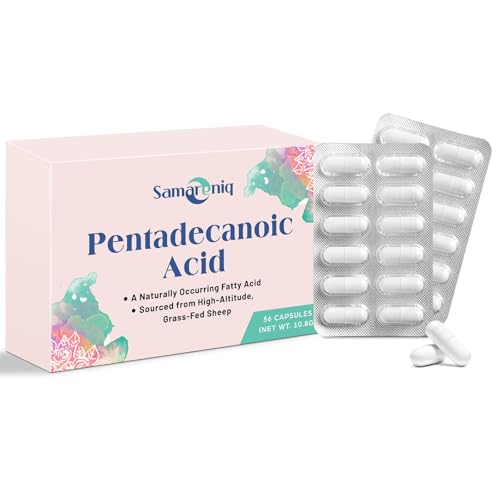
🛒 Where to Buy Pentadecanoic Acid (C15)
- Fatty15 (official site) 20% off with code SFKKDBQQ
capsules, 100 mg C15 per capsule; 1 capsule/day starter, 2 capsules/day maintenance: Category creator, from the original Epitracker research team (Venn-Watson et al.); uses a patented, sustainably-sourced pure C15 ingredient; most expensive per-capsule but reference product for all comparisons - Double Wood Supplements Pentadecanoic Acid C15
capsules, 200 mg C15 per serving (2 capsules): Generic C15 supplement; significantly lower price than Fatty15; no independent clinical trials on this specific product; good option for budget-conscious buyers who want to trial the fatty acid - Sports Research Pentadecanoic Acid C15
softgels, 100 mg C15 per softgel: Established supplement brand with strong Amazon presence; softgel form may aid fat-soluble absorption; competitively priced mid-tier option - BulkSupplements Pentadecanoic Acid Powder (C15)
powder, 100 to 300 mg per measured serving: Most economical option for higher-dose protocols or stackers; requires a milligram-accurate scale; no excipients or additives; not recommended for beginners unfamiliar with powder dosing
As an Amazon Associate we earn from qualifying purchases. C15 products vary widely in how much pentadecanoic acid they actually contain, so check that the Supplement Facts panel lists C15 in milligrams as its own line item rather than bundling it into a fatty acid blend, and that the per-serving dose falls in the 100 to 300 mg range used in published research.
A Note on the Evidence
The research reviewed here is predominantly preclinical (conducted in mice, rats, or in vitro models) and findings may not translate directly to human gut physiology. No clinical trials have established that increasing microbial C15 production through diet or supplementation improves intestinal health outcomes in humans; individuals with inflammatory bowel conditions, gastrointestinal cancers, or those taking immunosuppressant or metabolic medications should consult a gastroenterologist or registered dietitian before making significant dietary changes or adding new supplements.
Frequently Asked Questions
Can the gut microbiome actually produce pentadecanoic acid?
Preclinical evidence suggests it can. Research in mice identified Bacteroides acidifaciens as a C15 biosynthetic source, with production increasing when that bacterium was enriched by a prebiotic-probiotic combination [1]. Akkermansia muciniphila-derived C15 has also been detected and found biologically active in cancer models [2]. Whether the quantities produced by the human gut microbiome are physiologically significant remains under investigation.
Does eating more fiber increase microbial C15 production?
There is indirect preclinical evidence for this connection. Soluble dietary fiber shifts gut microbiota composition and has been associated with elevated odd-chain fatty acid levels in plasma in an animal study [3]. A specific prebiotic fiber combined with a probiotic enriched Bacteroides acidifaciens and its C15 biosynthetic activity in mice [1]. In healthy adults, a small 2017 crossover study found that a week of inulin raised plasma C15 by about 17 percent, although two other small human studies found that fiber supplements or a high-fiber diet did not raise circulating odd-chain fatty acids [12][20], but it measured a blood marker rather than microbial C15 output, and controlled human data on microbial C15 output itself are not yet available.
Which gut bacteria are most associated with C15 in current research?
Published research has highlighted Bacteroides acidifaciens [1] and Akkermansia muciniphila [2] as bacteria linked to C15 in the gut. These are not the only candidates given the complexity of the gut microbiome, but these two species have the most direct experimental evidence connecting them to C15 biology at this time.
How might gut-derived C15 differ from dietary C15?
Both are chemically identical 15-carbon saturated fatty acids, but their sources and the quantities reaching systemic circulation may differ. Dietary C15 comes primarily from full-fat dairy and ruminant fats. Gut bacteria are proposed to contribute some C15, which would be distributed via the portal circulation to the liver [4][20][21], where microbial status has been shown to influence hepatic odd-chain fatty acid concentrations [4]. Whether the body distinguishes between the two sources in a functionally meaningful way is not established.

Is there evidence that C15 from gut bacteria affects gut inflammation?
A 2024 preclinical study found that enriching Bacteroides acidifaciens, which synthesizes C15, was associated with reduced gut inflammation and improved intestinal barrier function in mice [1]. These are animal findings; controlled human trials investigating this relationship have not been published. The preclinical signal is interesting but should not be interpreted as a confirmed anti-inflammatory effect in people.
Should someone take C15 supplements to support their gut microbiome?
No clinical trials have specifically tested C15 supplementation for gut microbiome modulation or intestinal health outcomes. In the one small industry-supported randomized trial of C15 alone (30 adults, 200 mg a day for 12 weeks), no significant adverse events were reported [18], but the FDA has not evaluated C15 for any disease treatment or prevention, and its classification as an essential fatty acid is a hypothesis advanced by Epitracker researchers that has not been formally adopted by regulatory bodies. Anyone considering supplementation should consult a qualified healthcare provider before starting.
References
- Wu Y et al. Galactooligosaccharides and Limosilactobacillus reuteri synergistically alleviate gut inflammation and barrier dysfunction by enriching Bacteroides acidifaciens for pentadecanoic acid biosynthesis. Nature communications (2024). PMID 39468026
- Xu Q et al. Akkermansia muciniphila-derived pentadecanoic acid enhances oxaliplatin sensitivity in gastric cancer by modulating glycolysis. Pharmacological research (2024). PMID 38908613
- Xu C et al. Inclusion of Soluble Fiber in the Gestation Diet Changes the Gut Microbiota, Affects Plasma Propionate and Odd-Chain Fatty Acids Levels, and Improves Insulin Sensitivity in Sows. International journal of molecular sciences (2020). PMID 31963640
- Weitkunat K et al. Effect of Microbial Status on Hepatic Odd-Chain Fatty Acids Is Diet-Dependent. Nutrients (2021). PMID 34064336
- Ermakov VS et al. A Kidney-Microbiome Short- and Medium-Chain Fatty Acid Loop Mediated by OAT1: Implications for the Remote Sensing and Signaling Theory. International journal of molecular sciences (2026). PMID 42278475
- Weitkunat K et al. Effects of dietary inulin on bacterial growth, short-chain fatty acid production and hepatic lipid metabolism in gnotobiotic mice. The Journal of nutritional biochemistry (2015). PMID 26033744
- Selmi H et al. Ornithine lipids from Akkermansia muciniphila are dynamically modulated in colitis and shape macrophage inflammatory responses. Gut microbes (2025). PMID 41399961
- Qu L et al. Gut microbiota: A key player for soluble dietary fiber in regulating inflammatory disease. Journal of advanced research (2026). PMID 40972715
- Morillas-Armenta J et al. Microbial Metabolites in Allergic Diseases: Beyond Short-Chain Fatty Acids. Current allergy and asthma reports (2025). PMID 41214356
- Su D et al. Gut commensal bacteria Parabacteroides goldsteinii-derived outer membrane vesicles suppress skin inflammation in psoriasis. Journal of controlled release : official journal of the Controlled Release Society (2025). PMID 39532207
- Wang Y et al. The attenuated hepatic clearance of propionate increases cardiac oxidative stress in propionic acidemia. Basic research in cardiology (2024). PMID 38992300
- Weitkunat K et al. Odd-chain fatty acids as a biomarker for dietary fiber intake: a novel pathway for endogenous production from propionate. The American journal of clinical nutrition (2017). PMID 28424190
- Pfeuffer M et al. Pentadecanoic and Heptadecanoic Acids: Multifaceted Odd-Chain Fatty Acids. Advances in nutrition (Bethesda, Md.) (2016). PMID 27422507
- Singh D et al. Anti-Inflammatory Effect of Dietary Pentadecanoic Fatty Acid Supplementation on Inflammatory Bowel Disease in SAMP1/YitFc Mice. Nutrients (2024). PMID 39275347
- Blaak EE et al. Short chain fatty acids in human gut and metabolic health. Beneficial microbes (2020). PMID 32865024
- Mohamed Elfadil O et al. Butyrate: More Than a Short Chain Fatty Acid. Current nutrition reports (2023). PMID 36763294
- Chooi YC et al. Effect of an Asian-adapted Mediterranean diet and pentadecanoic acid on fatty liver disease: the TANGO randomized controlled trial. The American journal of clinical nutrition (2024). PMID 38035997
- Robinson MK et al. Pentadecanoic Acid Supplementation in Young Adults with Overweight and Obesity: A Randomized Controlled Trial. The Journal of nutrition (2024). PMID 39069269
- Kim J et al. Microbiota and Metabolite Modifications after Dietary Exclusion of Dairy Products and Reduced Consumption of Fermented Food in Young and Older Men. Nutrients (2021). PMID 34205926
- Wu Y et al. Odd Chain Fatty Acids Are Not Robust Biomarkers for Dietary Intake of Fiber. Molecular nutrition & food research (2021). PMID 34605164
- Benjamin Jenkins et al. Peroxisomal 2-Hydroxyacyl-CoA Lyase Is Involved in Endogenous Biosynthesis of Heptadecanoic Acid. Molecules (2017). PMID 29027957
- Kamalita Pertiwi et al. Associations of dairy and fiber intake with circulating odd-chain fatty acids in post-myocardial infarction patients. Nutrition & Metabolism (2019). PMID 31754368
- Wang D et al. Research on metabolic characteristics of multiple sclerosis. Scientific reports (2026). PMID 41794883
These statements have not been evaluated by the Food and Drug Administration. This information is not intended to diagnose, treat, cure, or prevent any disease. Content is for informational purposes only and is not medical advice; consult a qualified healthcare provider before starting any supplement. As an Amazon Associate we earn from qualifying purchases.