In the evolving landscape of metabolic health and longevity, a novel fatty acid has captured the attention of researchers and health optimizers alike: pentadecanoic acid, or C15:0. For decades, odd-chain fatty acids like C15:0 were largely overlooked, considered dietary noise compared to their even-chain counterparts. However, recent scientific inquiry suggests C15:0 may play a more significant, and potentially beneficial, role in human physiology than previously understood, prompting a re-evaluation of its status and potential as a dietary supplement.
This article aims to dissect the current scientific understanding of C15:0, exploring its proposed benefits, underlying mechanisms, and the nuances of its classification. We will examine the evidence with a critical eye, distinguishing established findings from emerging hypotheses, and provide a comprehensive overview for those tracking the forefront of metabolic and longevity science.
Pentadecanoic AcidHub (C15:0 supplement, pentadecanoic acid benefits, Fatty15 review, odd-chain fatty acid, essential fatty acid C15) may earn a commission from qualifying purchases through Amazon and other affiliate links mentioned in this article. This helps support our research and content creation at no extra cost to you.
What is C15:0 (Pentadecanoic Acid)?
C15:0 is a saturated fatty acid with an odd number of carbon atoms in its chain. Unlike the more common even-chain saturated fatty acids found abundantly in many diets, C15:0 is less prevalent in human tissues and typical food sources.
It is primarily found in trace amounts in dairy fat and certain ruminant meats. The unique odd-chain structure is central to the emerging hypotheses surrounding its biological activity.
The “Essential” Hypothesis: A Compelling Investigation
The concept of C15:0 as an “essential fatty acid” is a compelling hypothesis currently under active investigation. Traditionally, essential fatty acids are defined as those the body cannot synthesize and must obtain from the diet, such as linoleic acid (omega-6) and alpha-linolenic acid (omega-3).
Emerging research, particularly from Epitracker, suggests that C15:0 may fit this definition due to its unique metabolic pathway and observed benefits when supplemented. While this classification is not yet universally accepted by the broader scientific community, the evidence supporting its independent metabolic roles and potential benefits is growing.
C15:0 and Cellular Health: Strengthening Membranes and Mitochondria
One of the primary proposed mechanisms of C15:0 involves its incorporation into cell membranes. Research suggests that C15:0 can integrate into phospholipid bilayers, potentially enhancing membrane stability and integrity [1].
This structural modification may improve cellular resilience against stressors and contribute to overall cellular function. Furthermore, studies indicate C15:0’s role in supporting mitochondrial health, the powerhouses of our cells [2].
It is hypothesized to interact with mitochondrial membranes, potentially optimizing their function and energy production. This cellular-level support is a cornerstone of the proposed longevity benefits.
Metabolic Health: Impact on Glucose and Lipid Metabolism
The impact of C15:0 on metabolic health is an area of significant interest. Epidemiological studies have shown correlations between higher circulating levels of C15:0 and various markers of metabolic well-being.
For instance, some observational studies have linked higher C15:0 levels with a reduced risk of type 2 diabetes and improved insulin sensitivity. The mechanisms underpinning these observations are thought to involve its interaction with specific cellular receptors and signaling pathways involved in glucose uptake and utilization.
Regarding lipid metabolism, C15:0 may play a role in modulating cholesterol synthesis and fatty acid oxidation. Animal models have indicated that C15:0 supplementation can influence hepatic lipid profiles, suggesting a potential benefit in maintaining healthy lipid balance. However, human intervention trials are needed to solidify these findings.
Inflammation and Immune Modulation: A Calming Influence
Chronic low-grade inflammation is a recognized driver of many age-related diseases. Early research suggests C15:0 may possess anti-inflammatory properties, acting to temper excessive immune responses [3].
In vitro studies have shown C15:0 can downregulate pro-inflammatory cytokine production in certain immune cells. This immunomodulatory effect could contribute to a healthier inflammatory balance within the body.
While promising, these findings require validation through larger human clinical trials to confirm the extent and clinical relevance of C15:0’s anti-inflammatory actions.
Epitracker’s Proprietary Claims: Distinguishing from Established Epidemiology
Epitracker, a company at the forefront of C15:0 research, has made specific proprietary claims regarding its benefits and essential status. Their research often involves advanced lipidomics and cellular assays, which provide detailed insights into C15:0’s biochemical interactions.
It is crucial for health-optimizing adults to differentiate these proprietary findings, which are often derived from their patented C15:0 formulation, from broader epidemiological studies on naturally occurring C15:0. While Epitracker’s work is genuinely curious and contributes significantly to the field, its specific claims should be viewed within the context of their proprietary research and product development.
The scientific community continues to independently investigate and validate these mechanisms and benefits, moving towards a consensus view.
Natural Sources of C15:0
While C15:0 is not abundant in the typical Western diet, it can be found in trace amounts in certain food sources. The concentration can vary significantly based on agricultural practices and animal diets.
| Food Source | Approximate C15:0 Content (per 100g, highly variable) |
|---|---|
| Full-fat dairy products (milk, cheese, butter) | Trace amounts, generally 0.1-0.5% of total fatty acids |
| Beef fat (tallow) | Trace amounts, generally 0.1-0.3% of total fatty acids |
| Lamb fat | Trace amounts, generally 0.1-0.3% of total fatty acids |
Achieving therapeutic levels of C15:0 through diet alone may be challenging, which is why supplementation has emerged as a potential strategy for those seeking to optimize their intake.
Considerations for Supplementation
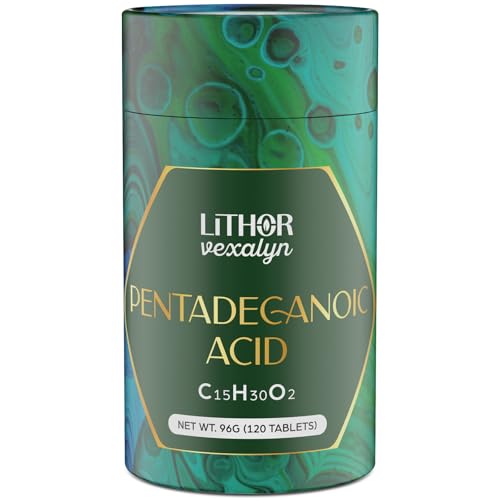
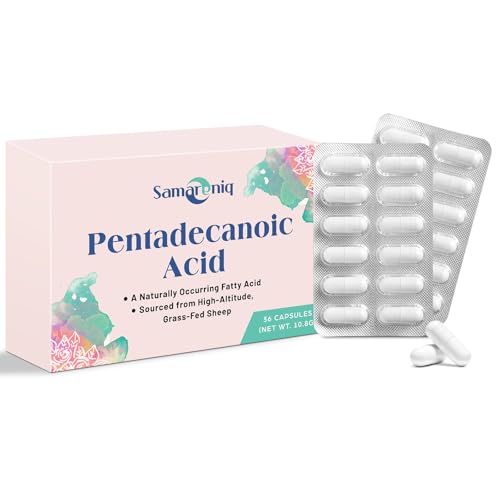
For individuals interested in C15:0 supplementation, several product types are available on the market. When searching for a C15:0 supplement, look for products that clearly state the purity and dosage of pentadecanoic acid.
Consider supplements that offer pure C15:0 formulations, sometimes branded as “pure C15:0 supplement” or “pentadecanoic acid capsules.” Another option might be “odd-chain fatty acid complex” if it specifically highlights C15:0 content.
Always review the supplement facts panel for transparency regarding ingredients and potential excipients. Consulting with a healthcare professional before starting any new supplement regimen is always recommended.
Conclusion: A Promising Frontier
C15:0 (pentadecanoic acid) represents a promising frontier in the pursuit of metabolic health and longevity. The research, ranging from epidemiological observations to detailed cellular mechanisms, paints a picture of a fatty acid with diverse and potentially significant biological roles.
While the “essential” status remains a hypothesis under active investigation, the evidence supporting C15:0’s contributions to cellular stability, mitochondrial function, metabolic regulation, and inflammatory balance is compelling. As the scientific community continues to probe its intricacies, C15:0 stands out as a molecule genuinely worthy of further exploration and consideration for those committed to optimizing their health based on robust, evolving science.
Frequently Asked Questions (FAQ)
What is C15:0?
C15:0, or pentadecanoic acid, is a saturated fatty acid with an odd number of carbon atoms. It is naturally found in trace amounts in dairy and ruminant fats.
Is C15:0 an essential fatty acid?
The classification of C15:0 as an “essential fatty acid” is a hypothesis currently under active investigation. While strong evidence suggests it has independent metabolic roles and benefits, it is not yet universally recognized as essential by the broader scientific community in the same way as omega-3 or omega-6 fatty acids.
What are the proposed benefits of C15:0?
Proposed benefits include improved cellular membrane stability, enhanced mitochondrial function, positive effects on glucose and lipid metabolism, and potential anti-inflammatory properties. These are areas of ongoing research.
How does C15:0 differ from common saturated fats?
Unlike common even-chain saturated fatty acids (e.g., C16:0 palmitic acid), C15:0 has an odd number of carbon atoms. This structural difference is believed to confer unique metabolic pathways and biological activities, which are thought to be beneficial rather than detrimental.
Can I get enough C15:0 from my diet?
While C15:0 is present in full-fat dairy and some ruminant meats, the amounts are typically low. Achieving potentially beneficial levels through diet alone can be challenging, leading some individuals to consider supplementation.
Are there any side effects of C15:0 supplementation?
Current research has not identified significant adverse side effects associated with C15:0 supplementation at recommended dosages. However, as with any supplement, individual responses can vary. It is always best to consult with a healthcare professional before starting any new supplement regimen.
These statements have not been evaluated by the FDA. This product is not intended to diagnose, treat, cure, or prevent any disease.
References
- Efficacy of dietary odd-chain saturated fatty acid pentadecanoic acid parallels broad associated health benefits in humans: could it be essential?. Scientific Reports, 2020
- Pentadecanoic and Heptadecanoic Acids: Multifaceted Odd-Chain Fatty Acids. Advances in Nutrition, 2016
- Broader and safer clinically-relevant activities of pentadecanoic acid compared to omega-3: Evaluation of an emerging essential fatty acid across twelve primary human cell-based disease systems. PLOS ONE, 2022
- New insights on pentadecanoic acid with special focus on its controversial essentiality: A mini-review. Biochimie, 2024
These statements have not been evaluated by the Food and Drug Administration. This information is not intended to diagnose, treat, cure, or prevent any disease. Content is for informational purposes only and is not medical advice; consult a qualified healthcare provider before starting any supplement. As an Amazon Associate we earn from qualifying purchases.
