None of this site’s coverage so far has touched cancer directly — most of the C15:0 literature focuses on cardiovascular, metabolic, and cellular-aging outcomes. A 2025 study published in Nutrients changes that, screening pentadecanoic acid against a panel of 94 human cancer cell lines to see whether it has any anticancer activity at concentrations the body actually reaches through diet or supplementation, rather than the much higher doses used in older cancer-cell experiments.
The result was a selective hit, not a broad one: C15:0 slowed growth in a specific subset of cancer types, most heavily concentrated in one type of blood cancer, and that subset shared a specific genetic feature. Here’s what the study actually measured, what the statistics do and don’t support, and a few things worth knowing about who ran it.
What the Study Measured
The study, authored by Stephanie Venn-Watson and published in Nutrients in September 2025, used an independent contract lab (Eurofins’ OncoPanel Cell Proliferation Assay) to screen C15:0 against 94 human cancer cell lines across ten concentrations, ranging from 1.5 nanomolar up to 50 micromolar [1]. That upper bound matters: 50 micromolar is within the range of naturally occurring circulating C15:0 concentrations in humans, not the much higher pharmacologic doses some earlier cell-culture cancer studies used. The design question was specifically whether C15:0 does anything to cancer cells at levels a person could plausibly reach through diet or a standard supplement dose, rather than whether it kills cancer cells at any dose.
Of the 94 cell lines tested, 13 (13.8%) showed dose-dependent antiproliferation activity, meaning the cancer cells grew more slowly as C15:0 concentration increased, with an EC50 (the concentration producing half-maximal effect) at or below 50 micromolar. That’s a minority of the panel — most cancer types tested showed no meaningful response at these concentrations.
Which Cancers Responded
The 13 responsive cell lines were not evenly spread across cancer types. Eight of them (61.5% of all responders) were non-Hodgkin B-cell lymphomas, a family of blood cancers that originate in B lymphocytes. The remaining five split across liver (2), breast (2), and lung (1) cancer lines. When the researchers tightened the bar further — requiring all three standard potency measures (EC50, IC50, and GI50) to fall at or below 50 micromolar — only four cell lines cleared it, and all four were non-Hodgkin B-cell lymphomas.
That concentration of effect in one cancer family, rather than a diffuse signal across many types, is what led the researchers to look for a shared genetic explanation among the responsive cell lines.
The CCND3 Connection
Using cell-line genomic data available through the Broad Institute’s DepMap database (79 of the 94 tested lines had usable data), the researchers compared oncogenic mutations between C15:0-responsive and non-responsive cell lines. A mutation in CCND3 — a gene that codes for a protein involved in controlling how cells progress through the cell-division cycle, and one known to be altered in some blood cancers — showed up far more often in the responsive group: 4 of 18 responsive cell lines (22%) carried a CCND3 alteration, compared to 1 of 61 non-responsive lines (1.6%). That difference was statistically significant (p = 0.007, odds ratio 17.1, 95% confidence interval 1.8 to 165).
That confidence interval is worth sitting with: a range from 1.8 to 165 is very wide, which is typical for a comparison built on small numbers (4 versus 1 mutated cell lines) rather than a large, well-powered dataset. The direction of the finding is credible and the p-value clears the conventional 0.05 threshold, but the imprecise interval means the true strength of the CCND3-C15:0 relationship could be modest or could be dramatic — this single study can’t distinguish between those possibilities.
What This Study Can and Can’t Tell You
This is a cell-culture screening study, not an animal study and not a clinical trial. No living organism — animal or human — was given C15:0 and evaluated for a change in tumor growth or cancer outcomes in this paper. Cells growing in a dish respond to compounds differently than tumors inside a body, where blood supply, immune surveillance, drug metabolism, and dozens of other variables come into play. A compound slowing cancer-cell proliferation in vitro is a legitimate first step in cancer pharmacology, and identifying a plausible genetic biomarker (CCND3) for who might respond is a genuinely useful contribution to that early-stage research. But it is several steps removed from evidence that eating dairy fat, taking a C15:0 supplement, or having higher circulating C15:0 levels lowers a real person’s cancer risk or affects an existing cancer.
It’s also worth being precise about what ‘selective’ means here: this study found C15:0 does not broadly kill cancer cells, and 86% of the cell lines tested showed no dose-dependent response at physiologic concentrations at all. That’s actually a more scientifically interesting and more honest result than a ‘C15:0 fights all cancer’ framing would be — it points toward a specific, testable hypothesis (does CCND3 status predict response) rather than a sweeping claim.
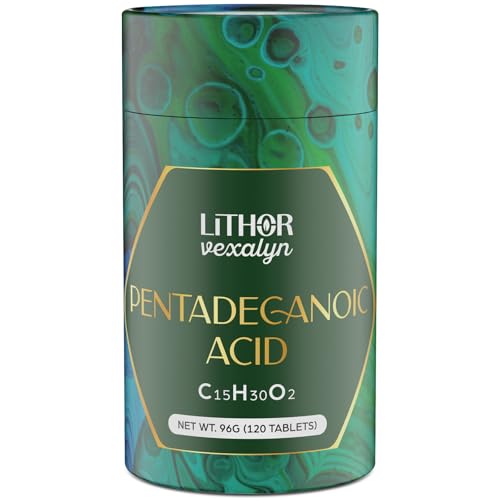
Who Ran the Study — and Why That’s Worth Knowing
The paper has a single author, Stephanie Venn-Watson, whose earlier dolphin research helped originate interest in C15:0 as a potential essential fatty acid [2]. She is also the co-founder of Seraphina Therapeutics, the company that makes fatty15, a commercial C15:0 supplement, and holds or co-holds a substantial number of the patents covering C15:0’s use for various health indications.
That affiliation doesn’t make the underlying assay data wrong — the screening was run by an independent contract lab (Eurofins), which is a meaningful methodological safeguard against a single interested party controlling the raw measurements. But the interpretation, framing, and the choice of which comparisons to report and emphasize came from a researcher with a direct financial stake in C15:0 being perceived as a broadly beneficial compound. As with this site’s other coverage of single-author Venn-Watson papers, that context belongs alongside the data, not instead of it.
The Honest Bottom Line
This study found that C15:0, at concentrations the body can actually reach, slows growth in a specific and identifiable subset of cancer cell lines — mostly non-Hodgkin B-cell lymphomas — and that this subset is statistically enriched for a CCND3 gene alteration. That’s a real, mechanistically specific, and testable finding, not a broad anticancer claim, and the selectivity (rather than blanket activity across most cell lines) is actually a point in favor of it being a genuine biological signal rather than a nonspecific lab artifact. But it is early-stage, single-study, in vitro data from a researcher with a commercial stake in the outcome. It says nothing about whether C15:0 supplementation affects cancer risk or outcomes in a living person, and it should not be read as evidence that fatty15 or any other C15:0 product treats or prevents cancer. The CCND3 hypothesis is worth watching for follow-up in animal models or, eventually, in cancers with known CCND3 alterations — but it isn’t there yet.
References
- Pentadecanoic Acid (C15:0) at Naturally Occurring Circulating Concentrations Has Selective Anticancer Activities Including Targeting B-Cell Lymphomas with CCND3 Oncogenic Alterations. Nutrients, 2025
- Efficacy of dietary odd-chain saturated fatty acid pentadecanoic acid parallels broad associated health benefits in humans: could it be essential?. Scientific Reports, 2020
These statements have not been evaluated by the Food and Drug Administration. This information is not intended to diagnose, treat, cure, or prevent any disease. Content is for informational purposes only and is not medical advice; consult a qualified healthcare provider before starting any supplement. As an Amazon Associate we earn from qualifying purchases.
