Placebo-controlled trials are the gold standard for figuring out whether a supplement actually does what it claims, separate from expectation effects or natural fluctuation over time. For a relatively new compound like C15:0, understanding what placebo-controlled data actually exists, and what it does not yet show, is essential context.
Disclosure: This article contains affiliate links. If you purchase through them, we may earn a commission at no extra cost to you. This does not influence our editorial content.
Why Placebo Comparison Matters
Without a placebo group, it is impossible to know whether an observed change came from the supplement itself or from other factors, like participants simultaneously improving their diet or exercise habits because they knew they were in a study. This is why placebo-controlled, randomized trials carry more weight than open-label studies where everyone knows what they are taking.
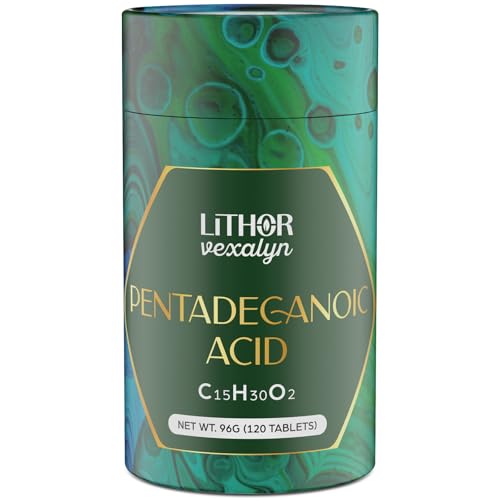
The Current State of Placebo-Controlled Data
Two placebo-controlled or otherwise randomized trials of C15:0 supplementation have been published, both in 2024, which is a meaningful step forward from purely observational data but is still a very small base. That said, the total number of these trials remains limited compared to categories like omega-3 fatty acids, which have been studied in placebo-controlled designs for decades.
Where placebo-controlled data does exist, it has generally focused on changes in specific blood markers over a period of weeks to a few months, rather than long-term outcomes measured over years.
The Two Trials That Have Actually Been Run
Two randomized controlled trials of C15:0 supplementation have been published, both in 2024, and both by research groups with no connection to the company that sells Fatty15.
The TANGO trial (American Journal of Clinical Nutrition, 2024) randomly assigned 88 women with fatty liver disease to one of three groups for 12 weeks: a Mediterranean-style diet with C15:0, the same diet without it, or their habitual diet. Liver fat measured by MRI fell about 33% in the C15:0 group and about 30% in the diet-only group, against about 10% in the control group, so the liver benefit tracked the diet rather than the supplement. What C15:0 did add was a further reduction in LDL cholesterol and an increase in a beneficial gut bacterium[1].
A University of California San Diego trial (The Journal of Nutrition, 2024) gave 200 mg/day of C15:0 or a placebo to 30 young adults with overweight or obesity for 12 weeks. Its primary question was simply whether supplementing raises blood C15:0, and it does: levels rose 1.88 µg/mL more than placebo. No significant adverse events occurred. Roughly half the treated group passed a blood level of 5 µg/mL, and those participants saw larger drops in the liver enzymes ALT and AST than treated participants who did not reach that level[2]. That last comparison is between subgroups of the treated arm, not against placebo, which is a weaker kind of evidence than a headline figure makes it sound.
Both trials ran 12 weeks in a few dozen people. Neither measured a hard outcome like a heart attack, a diagnosis, or lifespan, and neither has been replicated.
Reading Trial Results Critically
When you see a headline claiming a supplement outperformed placebo, it is worth checking a few things: how many participants were in the trial, how long it ran, whether the difference was statistically significant, and whether the effect size was large enough to matter in real life. A statistically significant result in a small trial does not always translate into a noticeable difference for an individual user.
This is standard practice for evaluating any nutrition research, not something unique to C15:0, but it is especially relevant for a compound where the total evidence base is still being built.
What Would Strengthen the Evidence Going Forward
Larger sample sizes, longer study durations, and independent replication by different research teams would all meaningfully strengthen confidence in C15:0’s placebo-controlled results. This is the same path every well-established supplement has walked, and it takes time that cannot be shortcut by marketing enthusiasm.
Frequently Asked Questions
Do placebo-controlled trials on C15:0 exist?
Yes, two, both published in 2024: the TANGO diet trial in 88 women with fatty liver disease[1] and a 30-person, 200 mg/day supplementation trial at the University of California San Diego[2].
What outcomes have these trials measured?
Blood C15:0 levels, liver fat by MRI, cholesterol and triglycerides, liver enzymes and gut bacteria, all over 12 weeks. No trial has measured a hard outcome such as a heart attack or a diagnosis.
Is a statistically significant result the same as a big real-world effect?
Not necessarily. Statistical significance shows a result is unlikely due to chance, but effect size determines how meaningful it is in practice.
Why hasn’t a large, long-term trial been done yet?
Large, multi-year trials are expensive and typically follow smaller pilot studies, which is the stage C15:0 research is generally at now.
Should I be skeptical of strong marketing claims?
A healthy amount of skepticism is reasonable for any supplement whose evidence base is still developing, C15:0 included.
These statements have not been evaluated by the FDA. This product is not intended to diagnose, treat, cure, or prevent any disease.
References
- Chooi YC, Zhang QA, Magkos F, et al. Effect of an Asian-adapted Mediterranean diet and pentadecanoic acid on fatty liver disease: the TANGO randomized controlled trial. American Journal of Clinical Nutrition. 2024;119(3):788-799. PMID 38035997
- Robinson MK, Lee E, Ugalde-Nicalo PA, et al. Pentadecanoic Acid Supplementation in Young Adults with Overweight and Obesity: A Randomized Controlled Trial. The Journal of Nutrition. 2024;154(9):2763-2771. PMID 39069269
These statements have not been evaluated by the Food and Drug Administration. This information is not intended to diagnose, treat, cure, or prevent any disease. Content is for informational purposes only and is not medical advice; consult a qualified healthcare provider before starting any supplement. As an Amazon Associate we earn from qualifying purchases.
