Pentadecanoic acid (C15:0), a saturated odd-chain fatty acid found naturally in full-fat dairy and ruminant fats, has attracted growing research attention as a potential dietary supplement. Researchers at Epitracker have proposed that it may support cellular health by integrating into cell membranes, acting as a partial PPAR-alpha and PPAR-delta agonist, and potentially influencing ferroptosis and cellular senescence. As more people consider C15:0 supplementation, questions about its safety profile and potential side effects deserve careful, evidence-grounded answers.
This article reviews what published research currently says about pentadecanoic acid side effects, identifies populations who may need to take extra care, and is honest about where the science is still early. It is informational only and does not constitute medical advice. The FDA has not evaluated C15:0 supplements for the treatment or prevention of any disease, and the proposal that C15:0 is an ‘essential’ fatty acid remains a hypothesis advanced by Epitracker researchers rather than a conclusion formally adopted by regulatory bodies or mainstream nutrition science.
Key Takeaways
- A 2024 RCT found C15:0 supplementation well-tolerated in young adults with overweight and obesity, with no serious adverse events at studied doses [1].
- A safety evaluation of odd-chain fatty acid algal oil — a primary commercial C15:0 source — also found an acceptable safety profile at tested doses [2].
- Kidney transplant recipients, pregnant individuals, children, and people on narrow-therapeutic-window medications should consult a healthcare provider before supplementing.
- Population-level data using C15:0 as a dairy fat biomarker found no increased cardiovascular or mortality risk at higher C15:0 levels, though this does not directly evaluate supplements [3].
- Long-term safety, drug interactions, and effects in medically complex or pediatric populations remain unstudied — the evidence base, while promising, is still early-stage.
What Human Clinical Data Reveals About C15:0 Safety
The most direct clinical safety evidence comes from a 2024 randomized controlled trial evaluating pentadecanoic acid supplementation in young adults with overweight and obesity. At the doses studied, C15:0 was generally well-tolerated, with no serious adverse events reported [1]. This matters because people carrying excess weight often have baseline metabolic complexity — including insulin resistance and dyslipidemia — that could plausibly amplify adverse reactions to a new lipid-active supplement. The absence of serious events in this group is a meaningful early signal.
A separate safety evaluation of odd-chain fatty acid algal oil — the primary non-dairy commercial source of C15:0 — provided additional reassurance at tested doses [2]. That study systematically characterized the compound and found an acceptable safety profile. Together, these two data sources represent the current foundation of what is known about C15:0 safety in humans and in controlled preclinical settings. Importantly, neither study covers every population, dose range, or duration, so they should be understood as encouraging but incomplete evidence.
Reported Mild Side Effects in Studied Populations
In the 2024 randomized controlled trial, the absence of serious adverse events is the primary safety finding [1]. That said, no fatty acid supplement is guaranteed to be free of any reaction in every individual. Mild gastrointestinal effects — such as transient nausea, loose stools, or stomach discomfort — are biologically plausible when any oil-based supplement is taken on an empty stomach, as is widely observed with fish oil, MCT oil, and similar products. Such effects are typically short-lived and resolve with food co-administration or dose adjustment.

Because C15:0 integrates into cell membranes and exerts partial agonist activity at PPAR-alpha and PPAR-delta receptors — pathways involved in fatty acid oxidation and inflammatory signaling — there is theoretical interest in whether very high doses could perturb lipid homeostasis. At the 100–300 mg/day range studied in published research, however, no such perturbations have been documented [1].
Population Data: What Dairy-Based C15:0 Exposure Tells Us
Before isolated C15:0 supplements existed, researchers used circulating C15:0 as a reliable biomarker of full-fat dairy intake. A large cohort study, systematic review, and meta-analysis examining biomarkers of dairy fat intake found that higher C15:0 levels were not associated with increased risk of cardiovascular disease or all-cause mortality — if anything, associations trended neutral to modestly favorable [3]. This provides indirect context suggesting that human populations with higher lifelong dietary C15:0 exposure have not shown adverse long-term signals.
This population-level data has meaningful limitations: people who consume more full-fat dairy differ from low-consumers in many lifestyle, dietary, and socioeconomic ways, making it impossible to isolate C15:0’s independent effect. These findings should be read as broadly reassuring background rather than proof that supplemental C15:0 is safe at any dose or duration.
Populations Who Should Exercise Extra Caution
Kidney transplant recipients deserve particular attention. Research has shown that kidney transplantation measurably alters the serum fatty acid profile compared to healthy individuals [4]. How supplemental odd-chain fatty acids interact with immunosuppressive medications, altered renal fatty acid handling, or a transplanted kidney’s metabolic environment has not been studied. Anyone on immunosuppressants, anticoagulants, or other medications with narrow therapeutic windows should seek medical advice before introducing C15:0.
Pregnant and breastfeeding individuals should default to caution. No clinical trials have evaluated C15:0 supplementation during pregnancy, and absence of data — not evidence of harm — is itself a reason to defer until more is known. Individuals with diagnosed lipid metabolism disorders, fatty acid oxidation disorders, or hepatic conditions should also discuss supplementation with a specialist, since C15:0 is metabolically active in fatty acid oxidation pathways.
Children are an understudied population by default. The 2024 RCT enrolled young adults, not minors, and pediatric dosing, safety, and potential developmental effects of C15:0 supplementation remain entirely unknown [1]. Supplementation in children is inadvisable without direct medical supervision and explicit clinical indication.
What Research on Related Odd-Chain Fatty Acids Suggests
C15:0 belongs to the odd-chain saturated fatty acid family, which also includes heptadecanoic acid (C17:0). Research in mice found that C17:0 did not act as a key mediator in preventing diet-induced hepatic steatosis or insulin resistance [5]. This is a useful reminder that mechanistic hypotheses about odd-chain fatty acids — plausible on the basis of receptor pharmacology — do not always translate straightforwardly into measurable metabolic benefits, and that different members of the same fatty acid class can behave quite differently.

Triheptanoin, a structured triglyceride built from three C7 fatty acid chains, has been used therapeutically in patients with long-chain fatty acid oxidation disorders, where clinical experience in Italy documented a tolerability profile without systematic toxicity [6]. While triheptanoin is a distinct compound and that context is a specific medical population, it broadly supports that odd-chain fatty acids can be administered clinically without universal harm. Direct extrapolation to C15:0 supplementation in healthy adults is limited and should not be made uncritically.
Honest Evidence Gaps: What Is Not Yet Known
The current picture of C15:0 safety research is encouraging but narrow. The primary human RCT enrolled young adults with overweight or obesity over a defined trial period [1]. Long-term safety data beyond that window, effects in older adults, effects in individuals with multiple chronic conditions, and potential interactions with commonly prescribed medications — statins, antidiabetics, blood pressure drugs — have not been systematically evaluated.

The classification of C15:0 as a newly ‘essential’ fatty acid is a hypothesis advanced by Epitracker researchers and has not been formally adopted by regulatory bodies or incorporated into established dietary reference intakes. This does not mean the hypothesis is incorrect, but it does mean the level of evidence needed to make strong safety and efficacy claims has not yet been reached. For now, C15:0 is best characterized as a supplement with a reasonable short-term tolerability profile at low doses in a specific population, not as a validated therapeutic with a fully characterized safety record.
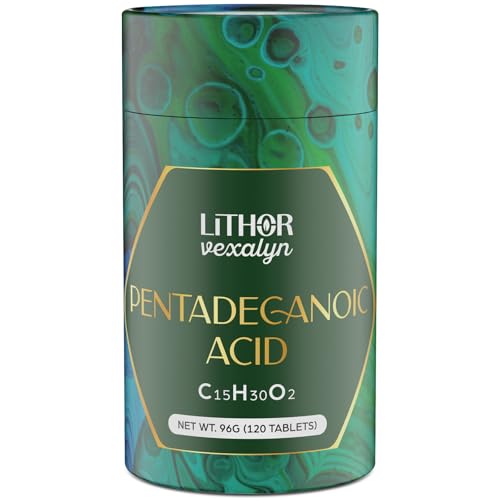
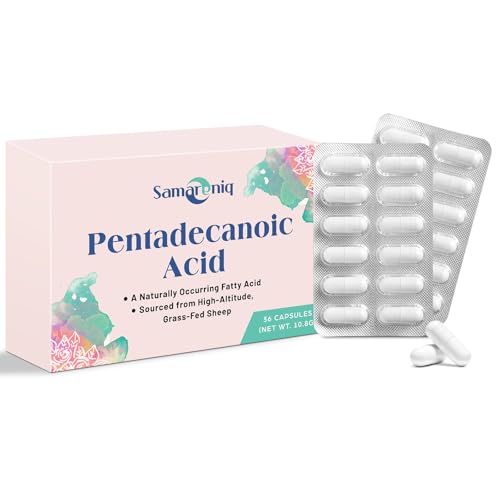
🛒 Where to Buy Pentadecanoic Acid (C15:0)
- Epitracker Fatty15 C15:0 Fatty Acid SupplementLab-tested / studied
capsules, 100 mg C15:0 per capsule; 1 capsule/day starter, 2 capsules/day maintenance — Category creator; the only C15:0 supplement backed by the original Epitracker research team (Venn-Watson et al.); uses a patented, sustainably-sourced pure C15:0 ingredient; most expensive per-capsule but reference product for all comparisons - Double Wood Supplements Pentadecanoic Acid C15:0
capsules, 200 mg C15:0 per serving (2 capsules) — One of the first genericized C15:0 supplements; significantly lower price than Fatty15; no independent clinical trials on this specific product; good option for budget-conscious buyers who want to trial the fatty acid - Sports Research Pentadecanoic Acid C15:0
softgels, 100 mg C15:0 per softgel — Established supplement brand with strong Amazon presence; third-party tested; softgel form may aid fat-soluble absorption; competitively priced mid-tier option - BulkSupplements Pentadecanoic Acid Powder (C15:0)
powder, 100–300 mg per measured serving — Most economical option for higher-dose protocols or stackers; requires a milligram-accurate scale; no excipients or additives; not recommended for beginners unfamiliar with powder dosing
As an Amazon Associate we earn from qualifying purchases. C15:0 products vary widely in how much pentadecanoic acid they actually contain, so check that the Supplement Facts panel lists C15:0 in milligrams as its own line item rather than bundling it into a fatty acid blend, and that the per-serving dose falls in the 100–300 mg range used in published research.
A Note on the Evidence
The safety evidence for C15:0 supplementation is promising but limited to short-term trials in specific populations; long-term effects, potential drug interactions, and safety in pregnant individuals, children, kidney disease patients, and those with lipid or fatty acid metabolism disorders have not been adequately studied. This article is informational only — consult a qualified healthcare provider before starting any new supplement, particularly if you have a chronic condition, take prescription medications, or are pregnant or breastfeeding.

Frequently Asked Questions
Has C15:0 been tested in human clinical trials for safety?
Yes. A 2024 randomized controlled trial evaluated pentadecanoic acid supplementation in young adults with overweight and obesity and reported no serious adverse events at the doses studied [1]. This is currently the strongest direct human clinical evidence for C15:0 supplement tolerability, though the trial covered a specific population and a defined time window rather than the general public over the long term.

Can C15:0 cause digestive upset or nausea?
No serious gastrointestinal side effects were documented in published clinical research [1]. Mild, transient digestive discomfort is plausible with any oil-based supplement taken on an empty stomach — a pattern widely seen with fish oil and similar products — but this has not been a prominent finding in C15:0 studies. Taking supplements with food typically reduces this risk.
Is C15:0 safe for people who have had a kidney transplant or have kidney disease?
Kidney transplant recipients have measurably altered serum fatty acid profiles compared to healthy individuals [4], and how supplemental C15:0 interacts with immunosuppressive drugs or altered renal fatty acid handling has not been studied. This group should consult a nephrologist or transplant specialist before adding C15:0 to their regimen.
Does a higher C15:0 level increase cardiovascular risk?
A large cohort study and meta-analysis using circulating C15:0 as a biomarker of full-fat dairy intake found no association between higher C15:0 levels and increased cardiovascular disease or all-cause mortality risk [3]. This reflects long-term dietary exposure patterns rather than isolated supplementation, so it provides reassuring context but cannot be used to draw firm conclusions about supplements specifically.
Is C15:0 appropriate for children?
No clinical trials have studied C15:0 supplementation in children or adolescents. The published RCT enrolled young adults [1], leaving pediatric dosing, safety, and potential developmental effects entirely uncharacterized. Supplementation in minors is not advisable without direct medical supervision and a clear clinical rationale.
How do related odd-chain fatty acids compare in terms of safety and efficacy?
Research in mice found that C17:0 (heptadecanoic acid, a structurally similar odd-chain fatty acid) did not function as a key mediator in preventing diet-induced hepatic steatosis or insulin resistance [5], illustrating that promising mechanisms do not always translate to measurable outcomes across all members of this fatty acid class. Triheptanoin, a C7-based odd-chain triglyceride used therapeutically in long-chain fatty acid oxidation disorders, has shown tolerability in clinical settings [6], but direct extrapolation of that finding to C15:0 supplementation in healthy adults is limited.
References
- Robinson MK et al. Pentadecanoic Acid Supplementation in Young Adults with Overweight and Obesity: A Randomized Controlled Trial. The Journal of nutrition (2024). PMID 39069269
- Matulka RA et al. Safety evaluation of odd-chain fatty acid algal oil. Food and chemical toxicology : an international journal published for the British Industrial Biological Research Association (2021). PMID 34332011
- Trieu K et al. Biomarkers of dairy fat intake, incident cardiovascular disease, and all-cause mortality: A cohort study, systematic review, and meta-analysis. PLoS medicine (2021). PMID 34547017
- Śledziński M et al. The Long-Term Effect of Kidney Transplantation on the Serum Fatty Acid Profile. Nutrients (2024). PMID 39408286
- Bishop CA et al. Heptadecanoic Acid Is Not a Key Mediator in the Prevention of Diet-Induced Hepatic Steatosis and Insulin Resistance in Mice. Nutrients (2023). PMID 37432205
- Porta F et al. Triheptanoin in patients with long-chain fatty acid oxidation disorders: clinical experience in Italy. Italian journal of pediatrics (2024). PMID 39375714
These statements have not been evaluated by the Food and Drug Administration. This information is not intended to diagnose, treat, cure, or prevent any disease. Content is for informational purposes only and is not medical advice; consult a qualified healthcare provider before starting any supplement. As an Amazon Associate we earn from qualifying purchases.
