Red blood cells (erythrocytes) are structurally unlike almost any other cell in the body. They have no nucleus, no mitochondria, and are composed almost entirely of a lipid bilayer membrane packed with hemoglobin. Because they are essentially living membranes, the fatty acid composition of that membrane has an outsized influence on how well they function — how flexible they remain, how resistant they are to oxidative damage, and how long they survive in circulation before being cleared.
Pentadecanoic acid (C15:0) is a 15-carbon odd-chain saturated fatty acid found naturally in full-fat dairy and ruminant fats. Researchers affiliated with Epitracker have proposed that C15:0 acts as a functional fatty acid that integrates into cell membranes and supports cellular stability through several pathways, including partial activation of PPAR-alpha and PPAR-delta receptors and potential reduction of ferroptosis — an iron-dependent form of cell death driven by lipid peroxidation. Whether these properties translate meaningfully to red blood cell health and anemia is still an early and largely open question, with only limited animal data available to date.
Key Takeaways
- Red blood cells are almost entirely membrane, making their health unusually sensitive to the fatty acid composition of the bloodstream.
- The only directly relevant published research linking odd-chain fatty acids including C15:0 to anemia relief is a 2020 dolphin study, which found dietary modification alleviated chronic anemia in bottlenose dolphins [1].
- C15:0 is proposed to support cell membrane stability through direct membrane integration, reduced ferroptosis (lipid peroxidation-driven cell death), and PPAR receptor activation — all plausible but unconfirmed mechanisms in human red blood cells.
- No published human clinical trials exist specifically examining C15:0 supplementation and erythrocyte health or anemia outcomes.
- C15:0 should not be considered a treatment for any form of anemia; its possible role in red blood cell health is a hypothesis requiring further human research.
Why Erythrocyte Membranes Are Sensitive to Fatty Acid Composition
Red blood cells are roughly 40 percent lipid by dry weight. Their defining physical task is deformability: a mature erythrocyte must repeatedly squeeze through capillaries narrower than its own diameter, a feat that depends on a fluid, flexible membrane. When membrane lipids become excessively rigid, peroxidized, or compositionally imbalanced, the cell becomes fragile, loses its shape, and may hemolyze — rupture and release its hemoglobin prematurely. This is one of the cellular mechanisms underlying certain hemolytic anemias.
The fatty acids embedded in the erythrocyte membrane are not fixed. They reflect, to a meaningful degree, the fatty acids circulating in the bloodstream, which in turn reflect diet. This is why researchers studying fatty acid supplementation pay attention not just to metabolic markers but to red blood cell indices — including mean corpuscular volume, hemoglobin concentration, and markers of oxidative stress in the erythrocyte itself. Changes in dietary fatty acid intake can shift the membrane composition of red blood cells over weeks to months.
The Dolphin Anemia Study: The Most Direct Evidence Available
The only published research directly linking dietary odd-chain saturated fatty acids — including C15:0 — to anemia relief comes from a study of bottlenose dolphins (Tursiops truncatus). Researchers modified the fish diets of dolphins experiencing chronic anemia and documented both serum metabolome shifts and measurable alleviation of that anemia [1]. The modified diet increased circulating odd-chain fatty acids, including pentadecanoic acid (C15:0), and the investigators proposed these fatty acids as a potential contributing factor to the observed improvement in blood health.

This finding is scientifically interesting because it suggests a functional link between dietary odd-chain fatty acid intake and erythrocyte or hematopoietic health in a mammalian model. However, it is important to interpret it carefully. The study was conducted in captive dolphins, not humans. Dolphin chronic anemia has multiple potential contributing causes — including heavy metal accumulation, stress, and immune dysregulation — so the mechanism of improvement cannot be attributed solely to C15:0 from the data available. The study is best understood as hypothesis-generating: it raises the possibility that odd-chain fatty acid status matters for blood health, and it supports further investigation [1].
Proposed Mechanisms: How C15:0 Might Influence Red Blood Cell Health
Epitracker researchers have proposed several biological mechanisms by which C15:0 could support cellular health, some of which are plausibly relevant to erythrocytes. The first is direct membrane integration. C15:0, as a 15-carbon fatty acid, is small enough to fill gaps in the lipid bilayer created by the natural aging of membrane phospholipids. Proponents argue this ‘fills in the cracks’ of aging cell membranes, potentially improving their structural integrity and reducing fragility — though this mechanism has not been specifically demonstrated in red blood cells in peer-reviewed literature.
The second proposed pathway involves ferroptosis. Ferroptosis is a regulated form of cell death triggered by the iron-dependent peroxidation of membrane phospholipids. Red blood cells are exceptionally vulnerable to this process because they carry iron-rich hemoglobin and operate in an environment of continuous oxidative stress. C15:0 has been proposed to have anti-ferroptotic properties based on its structural positioning in membranes — an odd-chain fatty acid may be less susceptible to the chain-reaction lipid peroxidation that drives ferroptosis — though robust human clinical evidence for this specific claim remains to be established.
Third, C15:0 acts as a partial agonist of PPAR-alpha and PPAR-delta receptors. These nuclear receptors regulate fatty acid metabolism and have roles in anti-inflammatory signaling. Chronic low-grade inflammation is a recognized contributor to anemia of chronic disease (a common form of anemia distinct from iron deficiency), so there is a theoretical pathway by which PPAR activation could benefit certain anemia presentations. This remains speculative in the absence of direct human studies.
Anemia Types and Where C15:0 Research Is (and Is Not) Relevant
Anemia is not a single disease but a heterogeneous group of conditions defined by reduced hemoglobin or red blood cell count. The major categories include iron-deficiency anemia (the most common globally), vitamin B12 and folate deficiency anemias, hemolytic anemias (where red blood cells are destroyed prematurely), anemia of chronic disease or inflammation, and aplastic anemia. The mechanisms, treatments, and responses to nutritional interventions differ significantly across these types.

The dolphin study [1] observed alleviation of chronic anemia, which in that population was likely multifactorial and may have had inflammatory or oxidative stress components — making it potentially more analogous to anemia of chronic disease than to straightforward iron-deficiency anemia. There is currently no published research suggesting that C15:0 supplementation would address iron-deficiency anemia, which is primarily a problem of iron availability and storage rather than membrane stability. Anyone experiencing anemia should have its specific cause identified by a healthcare provider before considering any supplementation strategy.
The Cellular Senescence Connection: Older Red Blood Cells and Fatty Acid Depletion
Red blood cells have a lifespan of roughly 100 to 120 days in healthy adults. As they age, their membranes progressively lose flexibility, accumulate oxidative damage, and are eventually recognized and cleared by the spleen and liver. Epitracker researchers have proposed that C15:0 depletion — which they associate with declining dietary intake of full-fat dairy in Western populations — accelerates cell membrane aging and may shorten the functional lifespan of various cell types.
If this hypothesis is correct, erythrocytes could be among the cells affected, because their sole structural component is the membrane they depend on. A shortened red blood cell lifespan would increase the turnover burden on hematopoietic stem cells in the bone marrow, and under conditions where marrow output is already limited — during illness, nutritional deficiency, or aging — this could contribute to lower circulating red blood cell counts. This reasoning is mechanistically plausible but remains theoretical; it has not been tested directly in human red blood cell survival studies.
The State of Human Evidence and What Future Research Would Need to Show
At present, the human evidence base for C15:0 specifically in the context of red blood cell health and anemia is very limited. There are no published randomized controlled trials examining C15:0 supplementation and erythrocyte outcomes in people with any form of anemia. The dolphin anemia research [1] represents the most directly relevant published evidence, and it is an animal study with all the interpretive limitations that entails.
Broader observational research in humans has associated higher circulating C15:0 levels (as a marker of dairy fat intake) with various metabolic health outcomes, but these associations have not been focused on erythrocyte-specific endpoints such as red blood cell lifespan, membrane fragility, hemoglobin levels, or anemia prevalence. For C15:0’s potential role in red blood cell health to be meaningfully characterized, researchers would need to conduct studies measuring erythrocyte fatty acid composition in response to supplementation, alongside standard hematologic markers. That work has not yet been published.


C15:0 supplements are generally well-tolerated at studied doses of 100 to 300 mg per day, with no serious adverse events reported in available research. The FDA has not evaluated C15:0 for any disease treatment or prevention, and its proposed status as an essential fatty acid — advanced by Epitracker researchers — has not been formally adopted by regulatory bodies or by mainstream clinical nutrition guidelines. This context matters when evaluating the anemia and erythrocyte research: the science is early, promising enough to warrant further study, but not established enough to support clinical recommendations.
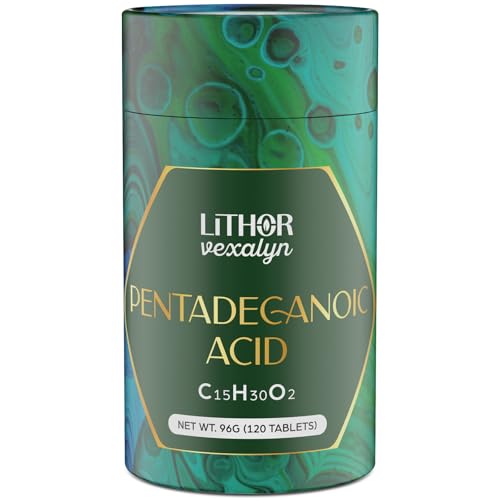
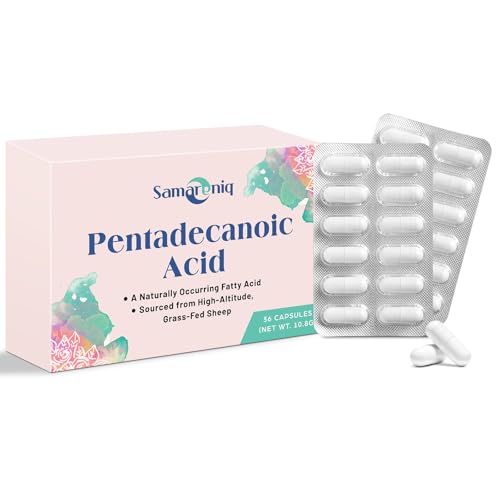
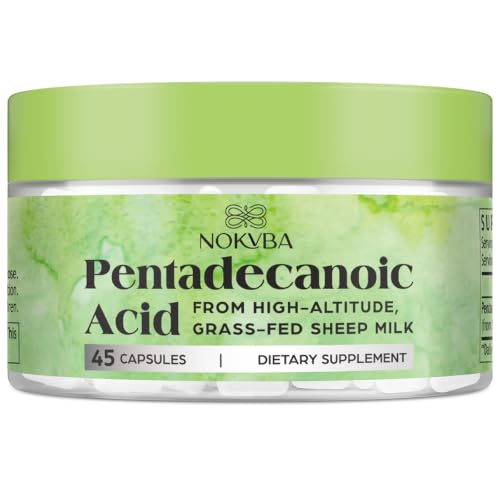
🛒 Where to Buy Pentadecanoic Acid (C15:0)
- Epitracker Fatty15 C15:0 Fatty Acid SupplementLab-tested / studied
capsules, 100 mg C15:0 per capsule; 1 capsule/day starter, 2 capsules/day maintenance — Category creator; the only C15:0 supplement backed by the original Epitracker research team (Venn-Watson et al.); uses a patented, sustainably-sourced pure C15:0 ingredient; most expensive per-capsule but reference product for all comparisons - Double Wood Supplements Pentadecanoic Acid C15:0
capsules, 200 mg C15:0 per serving (2 capsules) — One of the first genericized C15:0 supplements; significantly lower price than Fatty15; no independent clinical trials on this specific product; good option for budget-conscious buyers who want to trial the fatty acid - Sports Research Pentadecanoic Acid C15:0
softgels, 100 mg C15:0 per softgel — Established supplement brand with strong Amazon presence; third-party tested; softgel form may aid fat-soluble absorption; competitively priced mid-tier option - BulkSupplements Pentadecanoic Acid Powder (C15:0)
powder, 100–300 mg per measured serving — Most economical option for higher-dose protocols or stackers; requires a milligram-accurate scale; no excipients or additives; not recommended for beginners unfamiliar with powder dosing
As an Amazon Associate we earn from qualifying purchases. C15:0 products vary widely in how much pentadecanoic acid they actually contain, so check that the Supplement Facts panel lists C15:0 in milligrams as its own line item rather than bundling it into a fatty acid blend, and that the per-serving dose falls in the 100–300 mg range used in published research.
A Note on the Evidence
The evidence linking C15:0 to red blood cell health or anemia is very limited, consisting primarily of a single animal study; no human clinical trials have specifically examined this relationship, and C15:0 supplementation is not a recognized or validated treatment for any form of anemia. Anyone experiencing symptoms of anemia — including fatigue, pallor, or shortness of breath — should consult a healthcare provider to identify the underlying cause and pursue appropriate care.

Frequently Asked Questions
What is pentadecanoic acid (C15:0) and where does it come from?
Pentadecanoic acid is a 15-carbon odd-chain saturated fatty acid found primarily in full-fat dairy products and the fat of ruminant animals such as beef and lamb. Unlike most saturated fatty acids, which are even-chain, C15:0 is an odd-chain fatty acid whose presence in the body reflects dietary intake of these specific foods rather than endogenous synthesis. Epitracker researchers have proposed it as a conditionally or fully essential fatty acid based on its proposed cellular functions.
Is there any evidence that C15:0 helps with anemia?
The most direct evidence comes from a 2020 study in bottlenose dolphins, which found that a modified fish diet shifting the serum metabolome — and increasing odd-chain fatty acids including C15:0 — was associated with alleviation of chronic anemia in those animals [1]. There are currently no published randomized controlled trials in humans examining C15:0 and anemia, so this remains an open research question.
Why are red blood cells particularly relevant to fatty acid research?
Red blood cells are composed almost entirely of a lipid bilayer membrane — they have no nucleus or mitochondria. This means their structural integrity, flexibility, and resistance to oxidative damage are directly dependent on the types of fatty acids embedded in that membrane. Because membrane composition partly reflects circulating fatty acid levels, dietary changes in fatty acid intake can, over weeks to months, alter the physical properties of red blood cells.
What is ferroptosis and why does it matter for red blood cells?
Ferroptosis is a regulated form of cell death caused by iron-dependent lipid peroxidation — essentially, a chain reaction in which membrane lipids oxidize and destroy the cell from within. Red blood cells carry large amounts of iron-containing hemoglobin and operate in an oxygen-rich environment, making them particularly susceptible to this process. C15:0 has been proposed to have anti-ferroptotic properties based on its structural role in membranes, though this has not been confirmed in human erythrocyte research.
Can C15:0 supplements replace treatment for iron-deficiency anemia?
No. Iron-deficiency anemia is caused by insufficient iron for hemoglobin synthesis, and the primary interventions are dietary iron, iron supplementation, or treating the underlying cause of blood loss. There is no evidence that C15:0 addresses iron stores or hemoglobin synthesis. Anyone diagnosed with anemia should identify its specific cause with a healthcare provider and follow evidence-based treatment recommendations.
What doses of C15:0 have been studied and are they safe?
Published research has examined C15:0 supplementation in the range of approximately 100 to 300 mg per day. No serious adverse events have been reported in available studies at these doses. However, it is important to note that human research on C15:0 as an isolated supplement is still in early stages, and the FDA has not evaluated or approved it for treating or preventing any condition. As with any supplement, people with existing health conditions should consult a healthcare provider before use.
References
- Venn-Watson S et al. Modified fish diet shifted serum metabolome and alleviated chronic anemia in bottlenose dolphins (Tursiops truncatus): Potential role of odd-chain saturated fatty acids. PloS one (2020). PMID 32259832
These statements have not been evaluated by the Food and Drug Administration. This information is not intended to diagnose, treat, cure, or prevent any disease. Content is for informational purposes only and is not medical advice; consult a qualified healthcare provider before starting any supplement. As an Amazon Associate we earn from qualifying purchases.
