In the landscape of longevity science and metabolic optimization, a new player has emerged, capturing the attention of those meticulously tracking their health metrics: C15:0, or pentadecanoic acid. This odd-chain saturated fatty acid, once largely overlooked, is now at the center of a compelling hypothesis regarding cellular health and systemic well-being. But for the health-optimizing adult navigating the latest research, a critical question arises: how much C15:0 should one take, when, and what are the safety considerations in 2026?
Understanding the optimal dosage and safety profile of any novel supplement is paramount. As we explore the current understanding of C15:0, we aim to provide an evidence-based perspective, distinguishing between established scientific consensus and the proprietary claims of emerging products. Our goal is to equip you with the knowledge to make informed decisions about incorporating this intriguing compound into your health regimen.
Disclosure: This article contains affiliate links for products that may contain C15:0. We may earn a commission from purchases made through these links, at no extra cost to you. This helps support our independent research and content creation.
The C15:0 Discovery Story: From Dairy Fat to Longevity Hypothesis
The journey of C15:0 from an obscure component of dairy fat to a potential longevity agent is a testament to persistent scientific inquiry. For decades, odd-chain fatty acids like C15:0 and C17:0 were primarily viewed as biomarkers of dairy and ruminant fat intake.[1][2]
Early epidemiological studies observed correlations between higher circulating levels of C15:0 and various health outcomes, particularly in cohorts consuming full-fat dairy products. These initial observations, though correlational, hinted at a potential protective role beyond simple caloric contribution.
More recently, targeted research has begun to unravel potential mechanisms by which C15:0 might exert its effects. This shift from biomarker to bioactive molecule marks a significant advancement in our understanding of dietary fats.
Why C15:0 Matters: Proposed Mechanisms of Action
While the term “essential fatty acid” is typically reserved for polyunsaturated fatty acids like omega-3s and omega-6s, the hypothesis that C15:0 acts as a “foundational” fatty acid is gaining traction.[3][4] This hypothesis is rooted in several proposed cellular mechanisms.
Cellular Stability and Membrane Integrity
One primary mechanism centers on C15:0’s ability to integrate into cell membranes, particularly those of red blood cells and mitochondria. Its unique odd-chain structure is hypothesized to enhance membrane fluidity and stability, potentially making cells more resilient to stressors.
Research suggests that C15:0 can strengthen cell membranes, which is critical for maintaining cellular function and preventing premature cell breakdown.[5] This improved membrane integrity could have widespread benefits across various tissues and organs.
Mitochondrial Function and Energy Production
Mitochondria are the powerhouses of our cells, and their optimal function is central to metabolic health and longevity. Preliminary studies indicate that C15:0 may support mitochondrial health.[6][7]
It is proposed to enhance mitochondrial bioenergetics, possibly by supporting fatty acid oxidation pathways or improving the efficiency of the electron transport chain. This could translate to improved cellular energy production and reduced oxidative stress.
PPAR Alpha and Delta Receptor Activation
Another area of investigation involves C15:0’s potential to activate peroxisome proliferator-activated receptors (PPARs), specifically PPAR alpha and delta. These nuclear receptors play crucial roles in regulating lipid metabolism, inflammation, and cellular differentiation.
Activation of PPAR alpha and delta by C15:0 could explain some of its observed benefits, such as improved glucose uptake and anti-inflammatory effects.[6] This mechanism positions C15:0 as a signaling molecule with broad metabolic influence.
C15:0 Dosage: Current Recommendations and Emerging Data
Establishing an optimal dosage for C15:0 is a key concern for individuals considering supplementation. While there isn’t yet a universally recognized Dietary Reference Intake (DRI) for C15:0, emerging research and proprietary product development offer some guidance.
Inferred Dosing from Epidemiological Studies
Epidemiological studies that observed associations between higher C15:0 levels and positive health markers typically reflect dietary intake from whole foods. These studies often point to a daily intake of C15:0 in the range of tens to a few hundred milligrams from dairy and other ruminant fats.
It is challenging to translate these natural dietary intakes directly into supplemental dosages, as the bioavailability and metabolic fate of C15:0 from whole foods versus isolated supplements may differ.
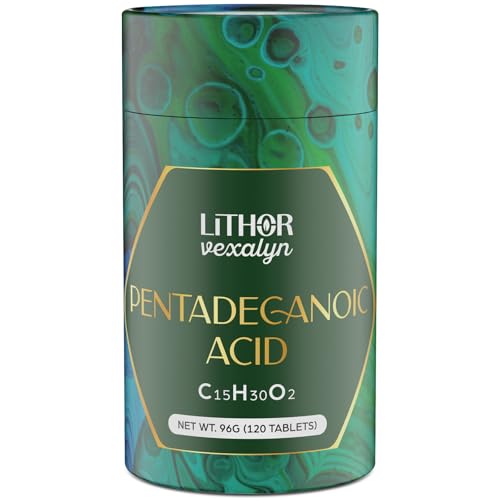
Proprietary Supplement Recommendations (e.g., Fatty15)
Companies developing C15:0 supplements, such as Epitracker with its Fatty15 product, have conducted their own research to inform dosage recommendations. These recommendations are often based on preclinical studies, internal human trials, and observed changes in circulating C15:0 levels.
Typically, a daily dose of 100 mg of pure C15:0 is recommended by leading supplement providers. This dosage is often presented as sufficient to elevate circulating C15:0 levels to a range associated with potential health benefits in their proprietary research.
C15:0 Dosage & Cost Calculator
Based on the labeled dose options for fatty15 and the published 90-count bottle at $149.95.
Open the full dosage & cost calculator →
Estimate only – based on the current listed price of the 90-count fatty15 bottle. Actual Amazon price can change; check the live price before buying.
Why no height/weight input? Unlike per-kg supplements (creatine, protein), C15:0 has no published bodyweight-adjusted dosing in the research behind it. This calculator doesn't fabricate a per-kg formula that doesn't exist in the literature.
Get fatty15 on Amazon(paid link) As an Amazon Associate we earn from qualifying purchases.
Considerations for Individualized Dosing
Individual responses to C15:0 supplementation may vary based on factors such as baseline C15:0 levels, metabolic health, dietary patterns, and genetic predispositions. Some individuals may experience effects at lower doses, while others might require higher amounts.
As with any supplement, starting with the recommended dose and monitoring personal response is a prudent approach. Consulting with a healthcare professional knowledgeable in nutritional science is always advised for personalized guidance.
When to Take C15:0: Timing and Bioavailability
The timing of C15:0 supplementation is another practical consideration for optimal efficacy. While specific research on the pharmacokinetics of C15:0 timing is still developing, general principles of fat absorption can provide guidance.
With Food for Optimal Absorption
As a fatty acid, C15:0 is best absorbed when consumed with other dietary fats. Taking C15:0 alongside a meal, particularly one containing some fat, can enhance its bioavailability.
The presence of bile salts, stimulated by dietary fat, aids in the emulsification and absorption of fatty acids in the small intestine. Therefore, taking C15:0 with breakfast or dinner is a common and sensible approach.
Consistency is Key
For any supplement aiming for long-term cellular integration and systemic effects, consistency of intake is more important than precise timing to the minute. Regular daily supplementation ensures a steady supply of C15:0 for cellular processes.
Establishing a routine, such as taking it with a specific meal each day, can improve adherence and optimize the sustained presence of C15:0 in the body.
Safety Profile of C15:0: What the Evidence Suggests
The safety of C15:0 is a critical aspect, especially given its classification as a saturated fatty acid. However, the unique properties of odd-chain saturated fatty acids differentiate them from their even-chain counterparts.
Generally Recognized as Safe (GRAS) Status
C15:0 has been present in the human diet for millennia, primarily through dairy and ruminant products. This long history of dietary exposure contributes to its strong safety profile.
Some pure C15:0 ingredients have received Generally Recognized as Safe (GRAS) affirmation from the FDA for specific food uses, indicating a high level of confidence in its safety when consumed within typical dietary ranges.
Lack of Adverse Effects in Studies
Clinical studies and proprietary human trials involving C15:0 supplementation have generally reported a lack of significant adverse effects. Doses up to 100 mg per day, and sometimes higher in research settings, have been well-tolerated.
Reported side effects, if any, are typically mild and transient, such as minor gastrointestinal discomfort, which is common with many fat-soluble supplements.
Distinguishing from Even-Chain Saturated Fats
It is crucial to distinguish C15:0 from common even-chain saturated fatty acids, such as palmitic acid (C16:0) or stearic acid (C18:0). While all are saturated, their metabolic pathways and biological effects can differ significantly.
Odd-chain fatty acids like C15:0 are metabolized differently, entering the propionyl-CoA pathway, which avoids some of the lipotoxic pathways associated with excess even-chain saturated fats. This metabolic distinction supports a favorable safety profile for C15:0.
Potential Interactions and Contraindications
Currently, there are no well-documented significant drug interactions or contraindications for C15:0 supplementation. However, individuals on specific medications, especially those affecting lipid metabolism or blood clotting, should consult their physician.
Pregnant or breastfeeding women, and individuals with pre-existing medical conditions, should always seek medical advice before introducing any new supplement.
Natural Sources of C15:0
While supplementation offers a concentrated dose, C15:0 is naturally present in several food sources, particularly those derived from ruminants. Incorporating these foods into your diet can contribute to your overall C15:0 intake.

| Food Source | Approximate C15:0 Content (per 100g serving) | Notes |
| Full-fat dairy products (milk, yogurt, cheese) | Varies; generally 10-30 mg per gram of fat | Higher fat content correlates with higher C15:0. Grass-fed sources may vary. |
| Butter | ~200-300 mg | A concentrated source due to high fat content. |
| Beef (especially grass-fed) | Varies; generally 5-15 mg per gram of fat | Found in the fat component of beef. |
| Lamb | Varies; generally 5-15 mg per gram of fat | Similar to beef, dependent on fat content. |
It’s important to note that the C15:0 content in these foods can vary significantly based on animal diet, processing, and specific product. While natural sources contribute to baseline levels, achieving the higher circulating concentrations explored in supplement research typically requires direct supplementation.
Choosing a C15:0 Supplement
For those interested in supplementing with C15:0, discerning product quality is essential. The market for novel supplements can be complex, and focusing on purity and transparency is key.
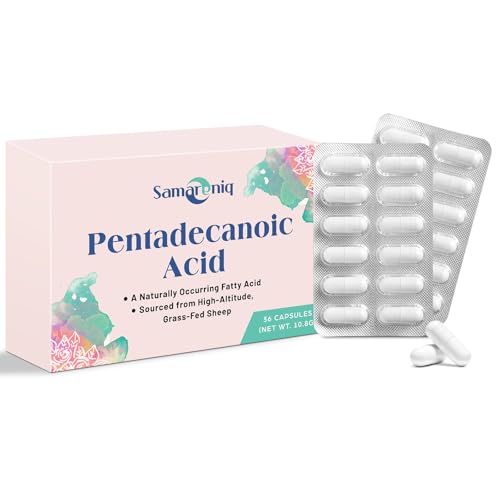
Look for products that clearly state the amount of pure pentadecanoic acid (C15:0) per serving, not just total fatty acids. Reputable manufacturers will provide third-party testing for purity and concentration.
Consider products that offer C15:0 as a standalone ingredient or in formulations with minimal other components, allowing for precise dosing. Transparency regarding sourcing and manufacturing processes is also a positive indicator of quality.
When searching online, look for terms like: “pure C15:0 supplement”, “pentadecanoic acid capsules”, or “odd-chain saturated fatty acid supplement” to find relevant products.
Conclusion
C15:0, or pentadecanoic acid, represents a fascinating frontier in nutritional science, offering a compelling hypothesis for supporting cellular health and metabolic resilience. While the scientific journey is ongoing, particularly in distinguishing established epidemiology from proprietary claims, the current data suggest a promising role for this odd-chain fatty acid.
Current recommendations for C15:0 supplementation generally hover around 100 mg per day, ideally taken with food to enhance absorption. Its safety profile appears robust, supported by its long history in the human diet and a lack of significant adverse effects in studies. As research continues to unfold, a more precise understanding of optimal dosing and long-term benefits will undoubtedly emerge, further refining our approach to this intriguing molecule.
C15:0 (Pentadecanoic Acid) FAQ
C15:0 is an odd-chain saturated fatty acid found naturally in trace amounts in dairy products and some other ruminant fats. It is being investigated for its potential role in supporting cellular health and metabolic function.
The traditional definition of “essential fatty acid” refers to polyunsaturated fatty acids that the body cannot produce and must obtain from the diet. While C15:0 is not currently classified as “essential” in this traditional sense, some researchers hypothesize it acts as a “foundational” fatty acid due to its proposed broad cellular benefits.
Based on current research and leading supplement recommendations, a common daily dosage for C15:0 supplementation is 100 mg of pure pentadecanoic acid. It is advised to follow the specific instructions provided by the supplement manufacturer or consult a healthcare professional.
C15:0 is a fat-soluble compound, so it is generally recommended to take it with a meal that contains some dietary fat. This can enhance its absorption and bioavailability. Consistency in daily intake is more critical than the exact minute of consumption.
C15:0 is generally considered safe and well-tolerated, with a long history of dietary exposure. Clinical studies have reported a lack of significant adverse effects. Any reported side effects are typically mild gastrointestinal discomfort, similar to other fat-soluble supplements.
Unlike common even-chain saturated fatty acids (e.g., C16:0, C18:0), C15:0 is an odd-chain saturated fatty acid. Its unique structure leads to different metabolic pathways in the body, which are hypothesized to confer distinct biological effects and a more favorable safety profile compared to some even-chain saturated fats.
These statements have not been evaluated by the FDA. This product is not intended to diagnose, treat, cure, or prevent any disease.
References
- Pentadecanoic and Heptadecanoic Acids: Multifaceted Odd-Chain Fatty Acids. Adv Nutr, 2016. PMID 27422507.
- Fatty acid biomarkers of dairy fat consumption and incidence of type 2 diabetes: A pooled analysis of prospective cohort studies. PLoS Med, 2018. PMID 30303968.
- Efficacy of dietary odd-chain saturated fatty acid pentadecanoic acid parallels broad associated health benefits in humans: could it be essential?. Sci Rep, 2020. PMID 32424181.
- New insights on pentadecanoic acid with special focus on its controversial essentiality: A mini-review. Biochimie, 2024. PMID 39395658.
- The Cellular Stability Hypothesis: Evidence of Ferroptosis and Accelerated Aging-Associated Diseases as Newly Identified Nutritional Pentadecanoic Acid (C15:0) Deficiency Syndrome. Metabolites, 2024. PMID 39057678.
- Pentadecanoic Acid (C15:0), an Essential Fatty Acid, Shares Clinically Relevant Cell-Based Activities with Leading Longevity-Enhancing Compounds. Nutrients, 2023. PMID 37960259.
- Molecular and cellular mechanisms of pentadecanoic acid. World J Biol Chem, 2025. PMID 41378251.
These statements have not been evaluated by the Food and Drug Administration. This information is not intended to diagnose, treat, cure, or prevent any disease. Content is for informational purposes only and is not medical advice; consult a qualified healthcare provider before starting any supplement. As an Amazon Associate we earn from qualifying purchases.
