Pentadecanoic acid, the 15-carbon saturated fatty acid abbreviated C15:0, has attracted growing scientific interest for its unusual position in human metabolism. Unlike even-chain fatty acids, C15:0 is an odd-chain fatty acid whose final breakdown product includes not only two-carbon acetyl-CoA but also a three-carbon propionyl-CoA unit that can replenish the tricarboxylic acid (TCA) cycle directly—a process called anaplerosis. This biochemical distinction sits at the center of hypotheses about how C15:0 might influence cellular energy production and mitochondrial function.
C15:0 is found primarily in full-fat dairy products and the fat of ruminant animals, making it comparatively rare in most modern diets dominated by even-chain fats. Researchers at Epitracker have proposed that C15:0 may function as an essential dietary lipid that supports mitochondrial health, cell membrane integrity, and metabolic signaling through PPAR receptors. These are scientifically coherent ideas, though direct large-scale clinical evidence in healthy humans remains limited, and the FDA has not evaluated C15:0 for any health claim. What follows is an honest accounting of where the mechanistic reasoning is strong and where the human data is still catching up.
Key Takeaways
- C15:0 is an odd-chain fatty acid that generates propionyl-CoA during beta-oxidation; this metabolite replenishes TCA cycle intermediates (anaplerosis) and may support mitochondrial ATP production in ways even-chain fats cannot.
- Triheptanoin, another odd-chain fat that produces the same propionyl-CoA substrate, has demonstrated clinical benefits for mitochondrial energy disorders and mitigated brain ATP depletion in a mouse model of Alzheimer’s disease, providing mechanistic support for the odd-chain fatty acid concept [1][2].
- Propionylcarnitine—a downstream marker of C15:0 metabolism—links odd-chain fatty acid oxidation to carnitine-mediated mitochondrial transport, with multi-omics data in dairy cattle supporting this pathway [3].
- C15:0 is proposed to activate PPAR-α and PPAR-δ receptors that regulate mitochondrial fatty acid oxidation and biogenesis, though this mechanism has not yet been confirmed in large-scale human pharmacodynamic trials.
- Direct clinical evidence that C15:0 supplementation improves mitochondrial function in healthy humans is still limited; the current case rests on established odd-chain biochemistry and translational parallels, not definitive randomized controlled trials.
Why Odd-Chain Fatty Acids Matter to Mitochondria
Mitochondria generate ATP primarily by oxidizing acetyl-CoA through the TCA cycle and driving electrons through the electron transport chain. This process depends on a continuous supply of TCA cycle intermediates—oxaloacetate, succinyl-CoA, fumarate, and others. When intermediates are consumed faster than they are replenished, a situation common in metabolic stress, inherited enzyme deficiencies, or advanced aging, mitochondrial output can falter. This is where odd-chain fatty acids offer a mechanistic distinction that even-chain fats cannot match.
When the body oxidizes an odd-chain fatty acid like C15:0, each pass through beta-oxidation removes two carbons as acetyl-CoA, exactly as with even-chain fats. But the final cycle leaves a three-carbon fragment—propionyl-CoA—rather than a second acetyl-CoA. Propionyl-CoA is converted via propionyl-CoA carboxylase and methylmalonyl-CoA mutase to succinyl-CoA, a direct TCA cycle intermediate. This anaplerotic contribution replenishes cycle flux independent of carbohydrate input, providing metabolic flexibility that purely even-chain dietary fats cannot provide.
Evidence from Triheptanoin: The Odd-Chain Proof of Concept
The strongest clinical evidence for anaplerotic odd-chain fatty acid therapy comes not from C15:0 directly, but from triheptanoin—a synthetic triglyceride of the seven-carbon heptanoic acid. Triheptanoin is metabolized into C5 ketone bodies and propionyl-CoA, delivering the same succinyl-CoA precursor that C15:0 beta-oxidation produces. This research provides an important mechanistic parallel for understanding why the odd-chain structure of C15:0 may matter for cellular energy.
In patients with long-chain fatty acid oxidation disorders, conditions where mitochondrial energy production is severely impaired by enzyme deficiencies, transitioning to triheptanoin as a dietary fat source was associated with meaningful reductions in major clinical events, including cardiac episodes and severe muscle breakdown episodes, over a median follow-up period [1]. A physiological review elaborated on how triheptanoin’s anaplerotic mechanism specifically restores TCA cycle flux and supports mitochondrial ATP output when the cycle is depleted of intermediates [4]. Although these studies involve pharmacological doses in individuals with specific hereditary disorders, they establish that propionyl-CoA—the same metabolite C15:0 produces—is biochemically capable of supporting mitochondrial energy under conditions of impaired oxidative metabolism.

Research in a mouse model of Alzheimer’s disease found that triheptanoin mitigated brain ATP depletion and mitochondrial dysfunction, restoring TCA cycle intermediate levels in brain tissue [2]. This adds evidence that odd-chain fatty acid anaplerosis may be relevant beyond hereditary metabolic disorders to broader contexts of mitochondrial stress. It is important to emphasize, however, that findings in animal models and in clinical populations with specific enzyme defects cannot be directly extrapolated to outcomes expected from C15:0 supplementation in otherwise healthy adults.
Propionylcarnitine: The Metabolic Bridge in C15:0 Pathways
Carnitines play an essential role in shuttling fatty acids across the inner mitochondrial membrane for oxidation. When propionyl-CoA—C15:0’s terminal oxidation product—is present in excess of immediate metabolic demand, it conjugates with carnitine to form propionylcarnitine, which buffers the acyl-CoA pool and can be transported out of mitochondria. Propionylcarnitine therefore serves as a measurable downstream marker of odd-chain fatty acid metabolism. A multi-omics investigation in dairy cattle found that propionylcarnitine levels were significantly associated with the capacity for C15:0 synthesis in milk fat, linking carnitine-mediated fatty acid transport directly to C15:0 availability [3]. While this study was conducted in bovine subjects and cannot be directly transposed to human physiology, it reinforces the biochemical connection between propionyl-CoA flux, carnitine metabolism, and odd-chain fatty acid pathways.
Acylcarnitines more broadly have been studied as indices of mitochondrial fatty acid oxidation capacity across the human lifespan. Research analyzing plasma acylcarnitine profiles found that specific acylcarnitine species change in measurable ways across the healthy aging process, pointing to shifts in mitochondrial fatty acid handling over time [5]. Because acylcarnitines are the primary transport form by which long-chain fatty acids enter mitochondria, these age-related changes may reflect declining oxidative capacity. Whether dietary C15:0 meaningfully alters acylcarnitine profiles in aging humans has not been established in published clinical trials, but the biology points toward an interesting area for future research.
PPAR Signaling: A Second Proposed Route to Mitochondrial Support
Beyond anaplerosis, Epitracker researchers have proposed that C15:0 acts as a partial agonist at peroxisome proliferator-activated receptors alpha and delta (PPAR-α and PPAR-δ). PPAR-α is a nuclear receptor and master regulator of mitochondrial fatty acid beta-oxidation: when activated, it upregulates dozens of genes involved in lipid transport, fatty acid oxidation, and ketogenesis, effectively increasing the cell’s capacity to burn fat for fuel. PPAR-δ has overlapping roles in skeletal muscle energy metabolism and mitochondrial biogenesis, including stimulation of mitochondrial density in muscle tissue.
If C15:0 activates these receptors—even partially—it could in principle prime mitochondria to oxidize fatty acids more efficiently, reduce ectopic lipid accumulation in non-adipose tissues, and support mitochondrial proliferation. These mechanisms are biologically plausible based on established PPAR pharmacology and the structural features of medium-chain fatty acids. The important caveat is that the PPAR agonist hypothesis for C15:0 has been characterized primarily in computational modeling and early cellular assays rather than in validated human pharmacodynamic dose-response studies. The mechanistic proposal is reasonable and merits further investigation; the clinical evidence is not yet definitive.

Cellular Context: Membranes, Senescence, and Energy Demand
Mitochondrial function does not occur in isolation—it depends on the health of the surrounding membrane environment and the overall metabolic state of the cell. C15:0 is thought to integrate into phospholipid bilayers where, given its odd-chain length, it may modulate membrane fluidity and packing differently than even-chain saturated fatty acids such as palmitic acid. The proteins of the inner mitochondrial membrane—including the complexes of the electron transport chain—require appropriate membrane composition to function efficiently, making lipid environment a genuine determinant of mitochondrial output.

Epitracker researchers have also proposed that C15:0 may reduce cellular senescence, the state in which cells permanently exit the cell cycle and adopt a pro-inflammatory, metabolically dysfunctional phenotype. Senescent cells are energetically costly, consuming ATP and mitochondrial capacity while contributing oxidative stress and inflammatory signaling. The proposed mechanisms include reduced ferroptosis susceptibility and improved mitochondrial redox balance. If C15:0 reduced the accumulation of senescent cells over time, that could indirectly preserve net ATP availability for functional, dividing cells throughout the body. These ideas are scientifically coherent but remain to be confirmed in controlled human studies measuring senescence biomarkers as primary endpoints.
What the Evidence Does and Does Not Currently Establish
A candid summary of the current evidence looks like this. The biochemical mechanism of odd-chain fatty acid anaplerosis is well-established, and the triheptanoin literature demonstrates that delivering propionyl-CoA substrate into the TCA cycle can support mitochondrial energy production under conditions of metabolic impairment [4][1][2]. C15:0 generates the same propionyl-CoA product via beta-oxidation, and its metabolism involves propionylcarnitine intermediates that connect to mitochondrial fatty acid transport systems [3]. Shifts in acylcarnitine profiles with aging may reflect changes in mitochondrial oxidative capacity relevant to this pathway [5].
What the published record does not yet establish is whether C15:0 supplementation at consumer-accessible doses—typically 100–300 mg per day in studied formulations—produces measurable improvements in mitochondrial ATP output, acylcarnitine profiles, or functional energy endpoints in healthy human populations. The triheptanoin clinical trials involve gram-level therapeutic doses in patients with specific inherited enzyme deficiencies, not a preventive supplement context. The hypothesis that C15:0 is an essential fatty acid is an active scientific proposal that has not been adopted by regulatory bodies or incorporated into mainstream nutritional reference values. This does not make the science implausible—it makes it emerging. Mechanistic reasoning is well-grounded; the translational evidence in healthy humans is still accumulating and should be followed as it develops.
🛒 Where to Buy Pentadecanoic Acid (C15:0)

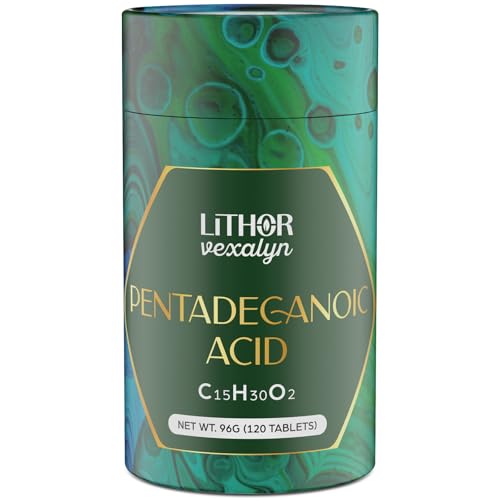
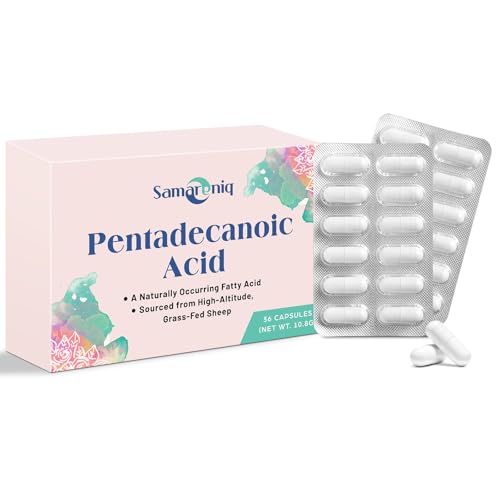
- Epitracker Fatty15 C15:0 Fatty Acid SupplementLab-tested / studied
capsules, 100 mg C15:0 per capsule; 1 capsule/day starter, 2 capsules/day maintenance — Category creator; the only C15:0 supplement backed by the original Epitracker research team (Venn-Watson et al.); uses a patented, sustainably-sourced pure C15:0 ingredient; most expensive per-capsule but reference product for all comparisons - Double Wood Supplements Pentadecanoic Acid C15:0
capsules, 200 mg C15:0 per serving (2 capsules) — One of the first genericized C15:0 supplements; significantly lower price than Fatty15; no independent clinical trials on this specific product; good option for budget-conscious buyers who want to trial the fatty acid - Sports Research Pentadecanoic Acid C15:0
softgels, 100 mg C15:0 per softgel — Established supplement brand with strong Amazon presence; third-party tested; softgel form may aid fat-soluble absorption; competitively priced mid-tier option - BulkSupplements Pentadecanoic Acid Powder (C15:0)
powder, 100–300 mg per measured serving — Most economical option for higher-dose protocols or stackers; requires a milligram-accurate scale; no excipients or additives; not recommended for beginners unfamiliar with powder dosing
As an Amazon Associate we earn from qualifying purchases. C15:0 products vary widely in how much pentadecanoic acid they actually contain, so check that the Supplement Facts panel lists C15:0 in milligrams as its own line item rather than bundling it into a fatty acid blend, and that the per-serving dose falls in the 100–300 mg range used in published research.

A Note on the Evidence
The mechanistic case for C15:0 supporting mitochondrial function draws substantially on research into related odd-chain fatty acids—principally triheptanoin in clinical metabolic disorders—and on proposed but not yet fully validated mechanisms such as PPAR agonism and cellular senescence reduction; direct randomized controlled trials confirming mitochondrial benefits of C15:0 supplementation in healthy humans are limited at this time. Individuals with metabolic conditions, fatty acid oxidation disorders, liver disease, cardiovascular disease, or those who are pregnant, nursing, or taking medication should consult a qualified healthcare provider before adding any fatty acid supplement to their regimen. This article is informational only and does not constitute medical advice.
Frequently Asked Questions
How does C15:0 differ from even-chain saturated fats like palmitic acid in terms of energy metabolism?
Even-chain fatty acids like palmitic acid are fully oxidized to acetyl-CoA, which enters the TCA cycle only after condensing with oxaloacetate—it does not directly replenish TCA intermediates. C15:0, being an odd-chain fatty acid, additionally yields propionyl-CoA in its final beta-oxidation step, which is converted to succinyl-CoA and directly replenishes the TCA cycle through anaplerosis. This makes C15:0 metabolically distinct in its potential to support mitochondrial energy production independent of carbohydrate availability.
Why is triheptanoin research cited in discussions about C15:0 and mitochondria if they are different molecules?
Triheptanoin is a different odd-chain fatty acid, but it is metabolized to propionyl-CoA and C5 ketone bodies—the same anaplerotic substrate that C15:0 beta-oxidation produces—making it a mechanistic analog. Studies showing that triheptanoin reduced major cardiac and muscle events in patients with fatty acid oxidation disorders [1] and mitigated ATP depletion in an Alzheimer’s mouse model [2] demonstrate that propionyl-CoA delivery into the TCA cycle can have clinically meaningful effects on mitochondrial energy. Researchers use this body of work as evidence that the odd-chain anaplerosis mechanism is biologically real, while acknowledging that C15:0-specific clinical trials are still needed.
What is propionylcarnitine and why does it come up in C15:0 metabolism discussions?
Propionylcarnitine is formed when propionyl-CoA—C15:0’s terminal oxidation product—conjugates with carnitine, a necessary step for managing acyl-CoA pools within mitochondria. It serves as a measurable indicator of odd-chain fatty acid metabolism, and a multi-omics study found propionylcarnitine levels were associated with C15:0 synthesis capacity in dairy cattle [3]. Because carnitine-mediated transport is central to how fatty acids enter mitochondria for oxidation, propionylcarnitine is a key metabolic link between dietary C15:0 intake and its downstream energy-related effects.
Do acylcarnitine profiles change with aging, and what does that mean for C15:0?
Plasma acylcarnitine profiles have been shown to shift across the healthy aging process, pointing to age-related changes in how mitochondria handle fatty acid oxidation [5]. Since acylcarnitines reflect the balance between fatty acid input and mitochondrial oxidative capacity, these shifts may indicate declining efficiency in fatty acid energy metabolism over time. Whether supplementing with C15:0 meaningfully modifies acylcarnitine profiles in aging individuals has not been established in published human trials, but it identifies an area where future mechanistic research could be informative.


Is C15:0 supplementation considered safe?
C15:0 is a naturally occurring fatty acid present in dairy foods that humans have consumed for millennia, and published research using supplements at 100–300 mg per day has not reported serious adverse events. The FDA has not evaluated C15:0 supplements for the treatment, cure, or prevention of any disease, and the classification of C15:0 as an essential fatty acid is a scientific hypothesis rather than a regulatory determination. Individuals with metabolic disorders, those who are pregnant or nursing, or anyone taking prescription medications should consult a qualified healthcare provider before adding C15:0 supplements to their routine.
Is C15:0 officially recognized as an essential fatty acid?
The proposal that C15:0 is an essential fatty acid—meaning it cannot be synthesized adequately by the body and must be obtained through diet—has been advanced by Epitracker researchers based on epidemiological data and proposed mechanisms. It has not been formally adopted by the FDA, the European Food Safety Authority, or mainstream nutritional reference frameworks such as dietary reference intakes. The hypothesis represents a legitimate and evolving area of nutritional science, not an established consensus, and it should be understood as such when evaluating C15:0 supplement claims.
References
- Vockley J et al. Long-term major clinical outcomes in patients with long chain fatty acid oxidation disorders before and after transition to triheptanoin treatment–A retrospective chart review. Molecular genetics and metabolism (2015). PMID 26116311
- Yuan X et al. Triheptanoin Mitigates Brain ATP Depletion and Mitochondrial Dysfunction in a Mouse Model of Alzheimer's Disease. Journal of Alzheimer's disease : JAD (2020). PMID 33016909
- Zhang H et al. Investigating the potential role of propionylcarnitine in milk pentadecanoic acid synthesis in Chinese holstein dairy cows using multi-omics analysis. BMC genomics (2026). PMID 41888651
- Sklirou E et al. Physiological Perspectives on the Use of Triheptanoin as Anaplerotic Therapy for Long Chain Fatty Acid Oxidation Disorders. Frontiers in genetics (2020). PMID 33584796
- Jarrell ZR et al. Plasma acylcarnitine levels increase with healthy aging. Aging (2020). PMID 32554854
These statements have not been evaluated by the Food and Drug Administration. This information is not intended to diagnose, treat, cure, or prevent any disease. Content is for informational purposes only and is not medical advice; consult a qualified healthcare provider before starting any supplement. As an Amazon Associate we earn from qualifying purchases.
