Fatty liver disease—whether labeled non-alcoholic fatty liver disease (NAFLD) or the newer term metabolic dysfunction-associated steatotic liver disease (MASLD)—has become one of the most common chronic liver conditions worldwide. Researchers looking for modifiable dietary factors have begun examining circulating fatty acid profiles in affected individuals, and one compound keeps appearing in the data: pentadecanoic acid, a 15-carbon saturated odd-chain fatty acid known as C15:0.
C15:0 is found naturally in full-fat dairy products and ruminant fats, and its plasma level is widely used as a biomarker of dairy fat intake. Over roughly the last decade, a body of observational and mechanistic research has started to ask whether low C15:0 status is merely correlated with liver disease or whether the fatty acid itself plays a functional role in hepatic health. This article reviews the published evidence honestly, notes where the science is preliminary, and explains what the proposed mechanisms are—without overstating what is currently known.
Key Takeaways
- Multiple observational studies find that higher circulating C15:0 is inversely associated with liver fat content, including in children [1] and adults with NASH [2].
- The TANGO randomized controlled trial tested a Mediterranean dietary pattern with pentadecanoic acid in fatty liver patients, providing the strongest interventional evidence to date [3].
- Gut bacteria such as Parabacteroides distasonis can produce C15:0 from prebiotic fibers, suggesting a microbiome-mediated pathway to hepatic C15:0 delivery [4].
- Proposed mechanisms include PPAR-alpha/delta agonism, reduced ferroptosis, and improved cell membrane stability, but these are hypotheses still under investigation [5].
- The evidence is promising but preliminary: no regulatory body has approved C15:0 for liver disease prevention or treatment, and the ‘essential fatty acid’ classification remains a working hypothesis.
Fatty Acid Profiles in NAFLD and NASH: Where C15:0 Fits
One of the earlier studies to place C15:0 squarely in the conversation about fatty liver disease examined circulating fatty acids in patients with non-alcoholic steatohepatitis (NASH) compared with healthy controls. That analysis found meaningful differences in pentadecanoic acid concentrations between groups, highlighting C15:0 as a potentially relevant odd-chain fatty acid in the context of hepatic inflammation and steatosis [2].
This type of cross-sectional profiling cannot establish causation—it tells us that people with NASH tend to have different C15:0 levels, not that correcting those levels would change disease course. Still, such observations provide the rationale for the more controlled investigations that followed.
Children, Dairy Fat, and Liver Fat: An Inverse Association
A particularly noteworthy piece of evidence comes from pediatric research. A study in children found that higher dairy fat intake, higher plasma pentadecanoic acid, and higher plasma iso-heptadecanoic acid were each inversely associated with measured liver fat content [1]. In other words, children with more C15:0 circulating in their blood tended to have less fat in their livers.
Because this was an observational study, confounding factors cannot be fully excluded—children who consume more dairy fat may differ from those who do not in ways that independently affect liver health. Nevertheless, the consistency of the inverse relationship across multiple odd-chain fatty acid markers strengthens the signal and supports further investigation.
The TANGO Trial: Randomized Controlled Evidence
The most directly interventional evidence to date for C15:0 and fatty liver disease comes from the TANGO randomized controlled trial, which tested an Asian-adapted Mediterranean dietary pattern with pentadecanoic acid on outcomes in patients with fatty liver disease [3]. Randomized controlled trials sit at a higher level of evidence than observational studies because they can more directly test whether an intervention causes the observed outcome.
Published in The American Journal of Clinical Nutrition in 2024, TANGO represents a meaningful step forward in translating associational findings into a controlled experimental setting. However, because the trial involved a dietary pattern alongside C15:0 rather than C15:0 supplementation alone, it is not possible to attribute all observed effects solely to pentadecanoic acid. This is an important limitation to keep in mind when interpreting the results.
The Gut Microbiome Connection: Bacteria That Produce C15:0
An intriguing 2023 paper in Nature Microbiology reported that the gut bacterium Parabacteroides distasonis can use dietary inulin (a prebiotic fiber) as a substrate and produce pentadecanoic acid as a metabolite—and that this microbially derived C15:0 suppressed NASH pathology in animal models [4]. This finding introduces a second route by which C15:0 could theoretically reach the liver: not only through dietary intake of dairy fat, but also through microbial synthesis from fermentable fibers.
Complementary work has confirmed that the microbial environment meaningfully shapes hepatic odd-chain fatty acid concentrations, and that this relationship is diet-dependent [6]. Together, these data suggest that the gut-liver axis may be an important part of the story, though human clinical evidence for the microbiome-C15:0-liver pathway specifically remains limited.
An interesting parallel concern is raised by research showing that fructose consumption during pregnancy can alter milk lipid composition and offspring lipid profiles [7], pointing to how early-life dietary exposures may affect the fatty acid milieu that eventually influences hepatic outcomes—though this connection is indirect and speculative at present.
Proposed Mechanisms: How C15:0 May Act in Liver Cells
Several mechanistic proposals attempt to explain how C15:0 could support hepatic health at the cellular level. The Cellular Stability Hypothesis, advanced by Epitracker researchers, proposes that C15:0 integrates into cell membranes to improve their structural stability, acts as a partial agonist of PPAR-alpha and PPAR-delta receptors (which regulate fatty acid oxidation and inflammation), and may reduce ferroptosis—an iron-dependent form of regulated cell death—as well as cellular senescence [5]. In liver tissue, these processes are highly relevant: dysregulated lipid oxidation, hepatocyte inflammation, and accelerated cellular aging are all features of progressive fatty liver disease.
It bears emphasis that the Cellular Stability Hypothesis and the proposition that C15:0 constitutes a newly ‘essential’ fatty acid remain scientific hypotheses advanced primarily by Epitracker researchers. They have not been formally adopted by regulatory bodies or by mainstream nutrition science consensus. The mechanistic framework is biologically plausible and supported by in vitro and animal data, but large-scale, long-term human trials are still needed.
Liver Fibrosis and Hepatocellular Carcinoma: Early Signals
Beyond steatosis and steatohepatitis, there is preliminary data associating C15:0 status with more advanced liver disease endpoints. A study in South Texas Hispanics—a population at elevated risk for liver disease—found that lower circulating levels of certain fatty acids, including C15:0-related odd-chain fatty acids, were associated with advanced liver fibrosis and hepatocellular carcinoma [8].
This is early-stage epidemiological evidence from a specific population, and it should not be read as proof that C15:0 supplementation would prevent fibrosis or liver cancer. What it does suggest is that the inverse association between C15:0 status and liver pathology may extend across the spectrum of disease severity, warranting prospective research with rigorous design.

Dietary protein insufficiency has also been flagged as an underappreciated factor in fatty liver disease progression [9], reminding us that no single nutrient or fatty acid operates in isolation. The overall dietary pattern matters, and C15:0 should be understood as one potentially relevant component within a broader nutritional context.
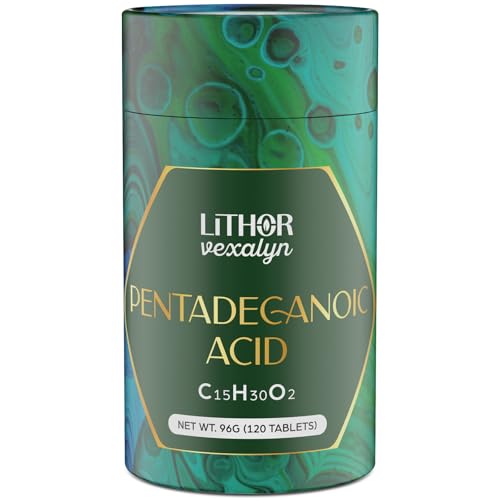
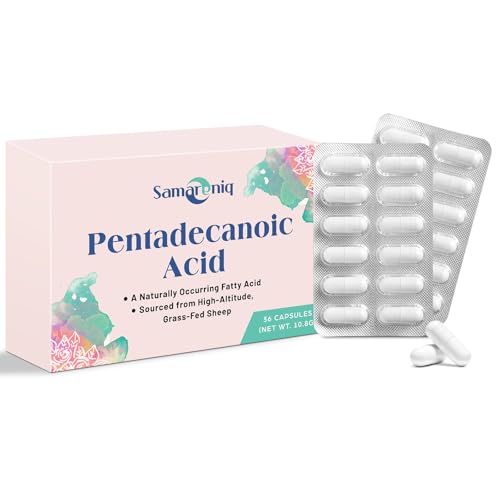
🛒 Where to Buy Pentadecanoic Acid (C15:0)
- Epitracker Fatty15 C15:0 Fatty Acid SupplementLab-tested / studied
capsules, 100 mg C15:0 per capsule; 1 capsule/day starter, 2 capsules/day maintenance — Category creator; the only C15:0 supplement backed by the original Epitracker research team (Venn-Watson et al.); uses a patented, sustainably-sourced pure C15:0 ingredient; most expensive per-capsule but reference product for all comparisons - Double Wood Supplements Pentadecanoic Acid C15:0
capsules, 200 mg C15:0 per serving (2 capsules) — One of the first genericized C15:0 supplements; significantly lower price than Fatty15; no independent clinical trials on this specific product; good option for budget-conscious buyers who want to trial the fatty acid - Sports Research Pentadecanoic Acid C15:0
softgels, 100 mg C15:0 per softgel — Established supplement brand with strong Amazon presence; third-party tested; softgel form may aid fat-soluble absorption; competitively priced mid-tier option - BulkSupplements Pentadecanoic Acid Powder (C15:0)
powder, 100–300 mg per measured serving — Most economical option for higher-dose protocols or stackers; requires a milligram-accurate scale; no excipients or additives; not recommended for beginners unfamiliar with powder dosing
As an Amazon Associate we earn from qualifying purchases. C15:0 products vary widely in how much pentadecanoic acid they actually contain, so check that the Supplement Facts panel lists C15:0 in milligrams as its own line item rather than bundling it into a fatty acid blend, and that the per-serving dose falls in the 100–300 mg range used in published research.
A Note on the Evidence
The evidence for C15:0 and liver health is largely observational or based on animal and in vitro models, with only limited randomized controlled trial data in humans; findings should not be interpreted as proof that C15:0 supplements treat, prevent, or reverse NAFLD, MASLD, or any liver condition. Individuals with existing liver disease, those on medication, and pregnant or breastfeeding individuals should consult a physician before making any dietary or supplementation changes.

Frequently Asked Questions
What is pentadecanoic acid (C15:0) and where does it come from?
Pentadecanoic acid is a 15-carbon saturated odd-chain fatty acid found naturally in full-fat dairy products and ruminant fats. It can also be produced endogenously by gut bacteria that ferment dietary fibers such as inulin [4]. Plasma C15:0 is commonly used in nutrition research as a biomarker of dairy fat consumption.
Does higher C15:0 reduce liver fat?
Observational data suggest an inverse relationship: children with higher plasma C15:0 and higher dairy fat intake tended to have less measured liver fat [1], and fatty acid profiling in NASH patients identified differences in C15:0 concentrations compared with healthy controls [2]. However, association does not equal causation, and randomized trials are needed to confirm a causal effect.
Has any clinical trial tested C15:0 specifically for fatty liver disease?
Yes. The TANGO randomized controlled trial evaluated an Asian-adapted Mediterranean diet combined with pentadecanoic acid in patients with fatty liver disease [3]. This represents the highest level of clinical evidence currently available for C15:0 and liver health, though the combined dietary intervention makes it difficult to isolate the effect of C15:0 alone.
How might gut bacteria be involved in C15:0 and liver health?
The gut bacterium Parabacteroides distasonis can ferment dietary inulin to produce C15:0 as a metabolite, and this microbially derived fatty acid was shown to suppress NASH in animal models [4]. Separately, the microbial environment has been shown to influence hepatic odd-chain fatty acid levels in a diet-dependent manner [6], suggesting the gut-liver axis is an important part of the picture.
Is low C15:0 linked to more severe liver disease like fibrosis or liver cancer?
Early epidemiological data from a South Texas Hispanic cohort found associations between lower circulating odd-chain fatty acid levels and advanced liver fibrosis and hepatocellular carcinoma [8]. This is preliminary and population-specific data and should not be interpreted as proof that C15:0 supplementation prevents these outcomes.
What dose of C15:0 has been studied, and is it safe?
Published research has generally examined C15:0 in the range of 100–300 mg per day, with no serious adverse events reported at these doses. The FDA has not evaluated C15:0 for the treatment or prevention of any disease, and the hypothesis that C15:0 is an ‘essential’ fatty acid—put forward by Epitracker researchers [5]—has not been formally adopted by regulatory or mainstream nutrition bodies. Anyone considering supplementation should consult a qualified healthcare provider.
References
- Sawh MC et al. Dairy Fat Intake, Plasma Pentadecanoic Acid, and Plasma Iso-heptadecanoic Acid Are Inversely Associated With Liver Fat in Children. Journal of pediatric gastroenterology and nutrition (2021). PMID 33399331
- Yoo W et al. Fatty acids in non-alcoholic steatohepatitis: Focus on pentadecanoic acid. PloS one (2017). PMID 29244873
- Chooi YC et al. Effect of an Asian-adapted Mediterranean diet and pentadecanoic acid on fatty liver disease: the TANGO randomized controlled trial. The American journal of clinical nutrition (2024). PMID 38035997
- Wei W et al. Parabacteroides distasonis uses dietary inulin to suppress NASH via its metabolite pentadecanoic acid. Nature microbiology (2023). PMID 37386075
- Venn-Watson S et al. The Cellular Stability Hypothesis: Evidence of Ferroptosis and Accelerated Aging-Associated Diseases as Newly Identified Nutritional Pentadecanoic Acid (C15:0) Deficiency Syndrome. Metabolites (2024). PMID 39057678
- Weitkunat K et al. Effect of Microbial Status on Hepatic Odd-Chain Fatty Acids Is Diet-Dependent. Nutrients (2021). PMID 34064336
- Smith EVL et al. Fructose Consumption During Pregnancy Influences Milk Lipid Composition and Offspring Lipid Profiles in Guinea Pigs. Frontiers in endocrinology (2020). PMID 32849314
- Jiao J et al. Circulating Fatty Acids Associated with Advanced Liver Fibrosis and Hepatocellular Carcinoma in South Texas Hispanics. Cancer epidemiology, biomarkers & prevention : a publication of the American Association for Cancer Research, cosponsored by the American Society of Preventive Oncology (2021). PMID 34155064
- Ampong I et al. Dietary protein insufficiency: an important consideration in fatty liver disease?. The British journal of nutrition (2020). PMID 31779730
These statements have not been evaluated by the Food and Drug Administration. This information is not intended to diagnose, treat, cure, or prevent any disease. Content is for informational purposes only and is not medical advice; consult a qualified healthcare provider before starting any supplement. As an Amazon Associate we earn from qualifying purchases.
