Pentadecanoic acid (C15:0) is an odd-chain saturated fatty acid found naturally in full-fat dairy products, certain fish, and ruminant fats. It attracted serious scientific attention after researchers at Epitracker published a series of studies suggesting it may play a role in cellular membrane stability, metabolic signaling, and healthy aging. Unlike most saturated fats, C15:0 has an odd number of carbon atoms, a structural quirk that appears to influence how it is metabolized and how it interacts with cellular targets.
As of 2025, a small but growing number of C15:0 supplements have reached the consumer market, with Fatty15—developed by Epitracker co-founders Dr. Stephanie Venn-Watson and Scott Venn-Watson—being the most studied and widely referenced branded option. This guide walks through the proposed science, what to look for when choosing a product, realistic expectations based on available evidence, and honest caveats about what remains unknown. No evidence reviewed here constitutes medical advice, and the FDA has not evaluated C15:0 for the treatment or prevention of any disease.
Key Takeaways
- C15:0 (pentadecanoic acid) is a naturally occurring odd-chain saturated fatty acid found in full-fat dairy and ruminant fats, now available as a standalone supplement.
- Proposed mechanisms include cell membrane stabilization, partial PPAR-alpha/delta receptor activation, and potential effects on ferroptosis and cellular senescence—but most supporting data comes from cell, animal, or small human studies.
- Studied human doses range from 100–300 mg/day with no serious adverse events reported; long-term safety data in large populations is not yet available.
- The claim that C15:0 is ‘essential’ is a hypothesis by Epitracker researchers and has not been formally recognized by regulatory agencies or mainstream nutrition bodies.
- When choosing a supplement, prioritize clear C15:0 dosing on the label, third-party purity testing, and minimal excipients—and consult a doctor before starting if you have metabolic conditions or take relevant medications.
What Is C15:0 and Why Is It Getting Attention?
Pentadecanoic acid is a 15-carbon saturated fatty acid present in trace amounts in dairy fat, beef tallow, and some marine organisms.[1] For decades it was considered a nutritionally minor compound—a reliable biomarker of dairy intake in blood studies rather than an active agent in its own right. That characterization began to shift when Epitracker researchers, studying health and aging in Navy dolphins, observed that animals with higher C15:0 blood levels showed better metabolic health outcomes.[2] This observation prompted a systematic look at the fatty acid itself.
The research group subsequently proposed that C15:0 may be what they term a ‘conditionally essential’ fatty acid—meaning the body produces insufficient amounts on its own and relies on dietary sources to maintain adequate levels.[3] It is important to note that this ‘essential’ classification is a hypothesis advanced by the Epitracker team and has not been formally adopted by regulatory bodies, major nutrition organizations, or the broader scientific community. The concept is intriguing and the supporting data is growing, but it remains under active investigation.
Proposed Mechanisms: How C15:0 May Work
Several biological mechanisms have been proposed to explain C15:0’s potential effects. First, as an odd-chain fatty acid, C15:0 integrates into cell membranes differently than even-chain fatty acids. Researchers have suggested this integration may help stabilize membrane fluidity and reduce fragility, particularly in red blood cells and mitochondrial membranes. Membrane stability is considered relevant to cellular resilience and longevity in preclinical models.
Second, C15:0 has been described as a partial agonist of PPAR-alpha and PPAR-delta receptors—nuclear receptors involved in fatty acid oxidation, inflammation modulation, and metabolic regulation.[4] Activation of these pathways is associated with lipid metabolism and energy homeostasis in animal and cell-based studies. Third, early research has explored whether C15:0 may reduce markers of ferroptosis (an iron-dependent form of programmed cell death) and cellular senescence (the accumulation of dysfunctional ‘zombie’ cells). These mechanisms are biologically plausible and have been described in published Epitracker research, but translating cell-culture and animal findings to meaningful human outcomes requires considerably more clinical evidence.


Studied Doses and Safety Profile
Published research on human C15:0 supplementation has generally used doses in the range of 100 to 300 mg per day of pure pentadecanoic acid. At these doses, no serious adverse events have been reported in available studies.[5] The most commonly cited product, Fatty15, provides 100 mg of a pure, vegan-derived C15:0 (as ethyl pentadecanoate) per capsule per day. This dose was chosen by the Epitracker researchers to approximate restoration of levels seen in populations with higher dietary dairy intake.
Because the total body of human clinical trial data is still limited in size and duration, long-term safety data beyond what has been published is not yet available. People with significant metabolic conditions, those who are pregnant or breastfeeding, or anyone taking medications that affect lipid metabolism should consult a physician before adding any new fatty acid supplement. The fact that no serious adverse events have been reported in studied populations is reassuring but does not substitute for personalized medical guidance.
What to Look for When Choosing a C15:0 Supplement
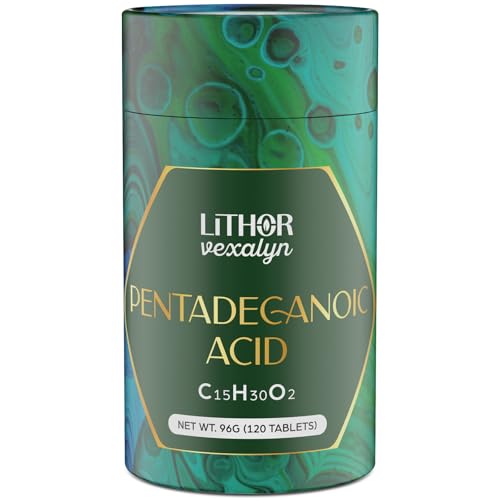
Purity and form matter more with C15:0 than with many supplements because the compound is relatively new to the consumer market and product quality can vary significantly. Look for supplements that specify the exact source and form of pentadecanoic acid—ideally pure C15:0 (pentadecanoic acid or its ethyl ester form, ethyl pentadecanoate), free from contaminating even-chain fatty acids or bulking agents. Third-party testing certificates from labs such as NSF International, Informed Sport, or USP provide independent verification that the label dose matches actual content.
Dose transparency is essential. A supplement should clearly state the milligrams of C15:0 per serving rather than hiding it inside a proprietary blend. Given that studied doses sit between 100–300 mg/day, a product listing only a broad ‘fatty acid complex’ with no specific C15:0 amount cannot be reliably evaluated. Vegan or non-dairy sourcing is available (fermentation-derived C15:0 exists) and is relevant for those avoiding animal products. Finally, consider the excipient list—capsules should use minimal, well-characterized inactive ingredients, especially if you have known sensitivities.
Current Evidence: Strengths and Honest Limitations
The published research base on C15:0 is real but still early-stage. The most cited human data comes from the Epitracker group’s own observational and interventional studies, which means independent replication at scale is still limited. Observational studies showing associations between blood C15:0 levels and health markers are hypothesis-generating; they cannot prove causation. Small interventional trials are a step forward but carry inherent limitations in sample size, duration, and generalizability.
It is also worth noting that much of the mechanistic work—on PPAR agonism, ferroptosis reduction, and membrane stabilization—has been conducted in cell cultures or animal models. These findings are scientifically interesting and provide a plausible rationale for further investigation, but extrapolating them directly to human health benefits is premature. Larger, independent, randomized controlled trials in diverse human populations are needed before strong clinical claims can be made. Consumers should approach C15:0 supplementation as a promising but still-developing area of nutritional science rather than an established intervention.

Who Might Reasonably Consider a C15:0 Supplement in 2025?
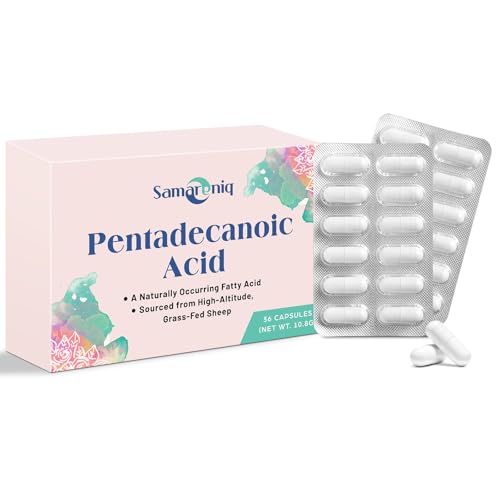
Adults who have deliberately reduced or eliminated dairy from their diets—whether for ethical, digestive, or other reasons—may have lower dietary C15:0 intake than populations with regular full-fat dairy consumption. If the Epitracker hypothesis about C15:0 being conditionally essential holds up to further scrutiny, this group could potentially benefit from supplementation more than those with consistently high dairy intake. Similarly, people with a general interest in longevity-oriented supplementation and a tolerance for acting on early-stage science may find the current evidence compelling enough to trial.
C15:0 supplementation is less clearly indicated for people already consuming significant amounts of full-fat dairy, butter, or fatty ruminant meat, since these foods provide dietary C15:0 naturally. It is also important to weigh supplement cost against evidence strength; Fatty15 and comparable products represent a recurring monthly expense. Given the nascent evidence base, individuals should make this decision alongside a healthcare provider rather than in response to marketing claims alone.
🛒 Where to Buy Pentadecanoic Acid (C15:0)
- Epitracker Fatty15 C15:0 Fatty Acid SupplementLab-tested / studied
capsules, 100 mg C15:0 per capsule; 1 capsule/day starter, 2 capsules/day maintenance — Category creator; the only C15:0 supplement backed by the original Epitracker research team (Venn-Watson et al.); uses a patented, sustainably-sourced pure C15:0 ingredient; most expensive per-capsule but reference product for all comparisons - Double Wood Supplements Pentadecanoic Acid C15:0
capsules, 200 mg C15:0 per serving (2 capsules) — One of the first genericized C15:0 supplements; significantly lower price than Fatty15; no independent clinical trials on this specific product; good option for budget-conscious buyers who want to trial the fatty acid - Sports Research Pentadecanoic Acid C15:0
softgels, 100 mg C15:0 per softgel — Established supplement brand with strong Amazon presence; third-party tested; softgel form may aid fat-soluble absorption; competitively priced mid-tier option - BulkSupplements Pentadecanoic Acid Powder (C15:0)
powder, 100–300 mg per measured serving — Most economical option for higher-dose protocols or stackers; requires a milligram-accurate scale; no excipients or additives; not recommended for beginners unfamiliar with powder dosing
As an Amazon Associate we earn from qualifying purchases. C15:0 products vary widely in how much pentadecanoic acid they actually contain, so check that the Supplement Facts panel lists C15:0 in milligrams as its own line item rather than bundling it into a fatty acid blend, and that the per-serving dose falls in the 100–300 mg range used in published research.

A Note on the Evidence
The evidence supporting C15:0 supplementation, while promising, is still early-stage and largely originates from a single research group; independent large-scale human trials are needed before strong health claims can be made. Anyone with metabolic disorders, cardiovascular disease, or who takes lipid-modifying medications should consult a qualified healthcare provider before adding a C15:0 supplement to their routine.
Frequently Asked Questions
Is C15:0 actually an essential fatty acid?
The designation of C15:0 as a ‘conditionally essential’ fatty acid is a hypothesis proposed by the Epitracker research group based on their observational and interventional findings. As of 2025, this classification has not been formally adopted by the FDA, the European Food Safety Authority, or major nutrition science organizations. It remains an active and scientifically interesting hypothesis under ongoing investigation.
What is the typical dose used in research?
Published human research has generally used doses in the range of 100 to 300 mg per day of pure C15:0 or its ethyl ester form. The most widely referenced branded supplement, Fatty15, provides 100 mg per capsule daily. No serious adverse events have been reported at these doses in published studies, though the total duration and size of human trials remains limited.
Can I get enough C15:0 from diet alone?
Full-fat dairy products—particularly butter, whole milk, and aged cheeses—as well as fatty ruminant meats are the primary dietary sources of C15:0. People who consume these foods regularly have measurably higher C15:0 blood levels than those who avoid them. Whether dietary intake from food alone is sufficient to achieve any proposed health effect is not yet established by clinical evidence.

Are there any known side effects or drug interactions?
Available published research has not identified serious adverse events associated with C15:0 supplementation at studied doses. However, because C15:0 acts as a partial agonist of PPAR-alpha and PPAR-delta receptors involved in lipid metabolism, theoretical interactions with medications affecting lipid pathways (such as fibrates or certain cholesterol-lowering drugs) are worth discussing with a physician. No interaction studies in humans have been published to our knowledge.
How does C15:0 differ from common even-chain saturated fats like palmitic acid (C16:0)?
The odd carbon chain length distinguishes C15:0 metabolically from even-chain saturated fats. Even-chain fatty acids like palmitic acid (C16:0) are metabolized primarily through beta-oxidation to acetyl-CoA. C15:0, as an odd-chain fatty acid, produces propionyl-CoA as a terminal product, which can enter the citric acid cycle via succinyl-CoA—a distinct metabolic pathway. Researchers have suggested this difference contributes to C15:0’s unique receptor activity and membrane behavior compared to more abundant even-chain fats.
Is C15:0 the same as the ingredient in Fatty15?
Fatty15 contains ethyl pentadecanoate, which is the ethyl ester form of pentadecanoic acid (C15:0). The ethyl ester is produced via fermentation from plant sources, making it vegan-derived. Upon digestion, ethyl esters are hydrolyzed to release the free fatty acid. Fatty15 is the most extensively studied branded C15:0 supplement and is the product used in the Epitracker-affiliated research most frequently cited in the literature.
References
- Pfeuffer M, Jaudszus A. Pentadecanoic and Heptadecanoic Acids: Multifaceted Odd-Chain Fatty Acids. Advances in nutrition (Bethesda, Md.). 2016;7(4):730-4. PMID 27422507
- Venn-Watson S, Baird M, Novick B, et al. Modified fish diet shifted serum metabolome and alleviated chronic anemia in bottlenose dolphins (Tursiops truncatus): Potential role of odd-chain saturated fatty acids. PloS one. 2020;15(4):e0230769. PMID 32259832
- Ciesielski V, Legrand P, Blat S, et al. New insights on pentadecanoic acid with special focus on its controversial essentiality: A mini-review. Biochimie. 2024;227(Pt B):123-129. PMID 39395658
- Venn-Watson S, Lumpkin R, Dennis EA. Efficacy of dietary odd-chain saturated fatty acid pentadecanoic acid parallels broad associated health benefits in humans: could it be essential? Scientific reports. 2020;10(1):8161. PMID 32424181
- Robinson MK, Lee E, Ugalde-Nicalo PA, et al. Pentadecanoic Acid Supplementation in Young Adults with Overweight and Obesity: A Randomized Controlled Trial. The Journal of nutrition. 2024;154(9):2763-2771. PMID 39069269
These statements have not been evaluated by the Food and Drug Administration. This information is not intended to diagnose, treat, cure, or prevent any disease. Content is for informational purposes only and is not medical advice; consult a qualified healthcare provider before starting any supplement. As an Amazon Associate we earn from qualifying purchases.
