Pentadecanoic acid (C15:0) is a saturated odd-chain fatty acid found naturally in full-fat dairy products and ruminant fats. Researchers at Epitracker have proposed it may support cellular health by integrating into cell membranes, acting as a partial PPAR-alpha and PPAR-delta agonist, and potentially reducing markers of ferroptosis and cellular senescence. Because of this emerging interest, a small but growing number of supplement brands now offer C15:0 in capsule form — and prices vary considerably.
If you are curious about C15:0 but not ready to spend a premium price, this guide walks through what separates a genuinely affordable supplement from one that simply cuts corners. The FDA has not evaluated C15:0 for treating or preventing any disease, and the classification of C15:0 as an ‘essential’ fatty acid remains a hypothesis advanced by Epitracker researchers that has not yet been formally adopted by regulatory bodies or mainstream nutrition science. With that context in mind, here is what to know before you buy.
Key Takeaways
- Evaluate C15:0 supplements on cost per milligram rather than cost per bottle — dose matters as much as price.
- Always look for a third-party certificate of analysis (COA); no COA is a red flag regardless of price.
- A clean, short ingredient list with pentadecanoic acid clearly listed and dosed is a sign of quality at any price point.
- Studied doses in published research have generally been 100 to 300 mg per day; products dosed far below this range may offer limited practical value.
- Subscription plans and larger bottle sizes are the most reliable way to reduce cost without compromising what you are actually taking.
What C15:0 Is and Why People Take It
Pentadecanoic acid is a 15-carbon saturated fatty acid. Unlike the more familiar even-chain saturated fats such as palmitic acid (C16:0), odd-chain fatty acids like C15:0 are found in relatively small amounts in the human diet, primarily through whole-fat dairy and some fatty fish. For decades it was considered a minor dietary component with no known essential role.
Epitracker researchers have proposed a different view. Their hypothesis holds that C15:0 may support cell membrane integrity, help regulate fat and glucose metabolism through partial PPAR-alpha and PPAR-delta agonism, and potentially reduce two specific forms of cellular damage: ferroptosis (an iron-dependent form of cell death) and cellular senescence (the accumulation of non-dividing ‘zombie’ cells). These proposed mechanisms are the foundation for commercial C15:0 supplements marketed under names like fatty15. It is important to note that this remains an area of active and early research, and no supplement has been approved to treat or prevent disease based on these mechanisms.
Why C15:0 Supplements Vary So Much in Price
A 30-day supply of C15:0 can vary widely in price from one brand to the next. Several factors drive that spread. First is the source and purity of the C15:0 itself. Some brands use a highly purified, sustainably produced form of pentadecanoic acid derived from a non-dairy process, which costs more to manufacture. Others use less refined ingredients or lower-purity extracts. Second is capsule count and dose per capsule. A bottle labeled ‘affordable’ may contain 30 capsules at 50 mg each — a daily dose of 50 mg — while published research has generally used doses in the 100 to 300 mg per day range.

Third-party testing is another significant cost driver. Brands that submit batches to independent labs for purity, potency, and contaminant testing pay for that process, and it shows in the price. Finally, marketing and packaging add cost. A brand spending heavily on advertising or premium packaging passes that cost to you without adding anything to the actual product. Understanding these variables helps you tell a genuinely affordable supplement from one that is merely cheap.

What to Look for in an Affordable C15:0 Supplement
The single most important factor is the dose per serving. Studies exploring C15:0 have generally used 100 to 300 mg per day. An affordable supplement at 50 mg per capsule requiring two capsules to reach 100 mg may still be cost-competitive with a pricier single-capsule option — do the math per milligram, not per bottle.
Next, look for a certificate of analysis (COA) from a third-party laboratory. A COA confirms that the product contains what the label states and that it has been screened for heavy metals, oxidation, and microbial contamination. Reputable brands make COAs available on their website or upon request. If a brand does not provide one, that is a meaningful red flag regardless of how low the price is.
Check the ingredient list carefully. C15:0 supplements should not need long lists of fillers, binders, or proprietary blends. A straightforward formula — pentadecanoic acid, a capsule shell, and perhaps a minimal amount of a carrier oil to aid absorption — is generally preferable to one padded with unnecessary additives. Some lower-cost products add cheap filler oils to make capsule weights consistent; this dilutes the active ingredient without disclosing the effective dose reduction.
Red Flags That Signal a Product Is Cutting Corners
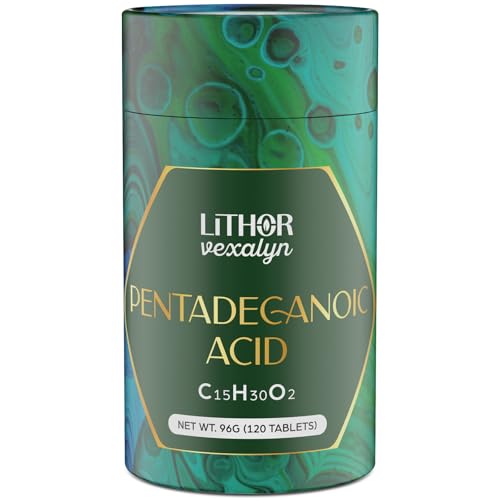
Underdosing is the most common way a supplement reduces cost in a way that harms the buyer. A product advertising ‘C15:0 support’ may contain only a trace amount of pentadecanoic acid alongside a blend of other fatty acids. Read the supplement facts panel carefully and confirm that pentadecanoic acid is listed as the primary active ingredient with a milligram amount that reflects a meaningful dose.
Vague sourcing language is another warning sign. Phrases like ‘naturally derived’ or ‘from premium fats’ without any further specification make it impossible to assess purity or production method. Reputable budget brands tend to be transparent about their manufacturing process even if they cannot match the marketing budget of premium competitors.
Finally, be cautious of extremely low prices that seem too good to be true. C15:0 is not an inexpensive ingredient to produce at a meaningful purity level. A 60-capsule bottle priced far below the rest of the category is more likely to reflect a severely underdosed or adulterated product than a genuine bargain. Genuine value comes from efficient operations and honest marketing, not from reducing the amount of active ingredient.

Evaluating Value: Cost Per Milligram Is the Right Metric
Once you have confirmed a product meets basic quality standards — disclosed dose, third-party COA, clean ingredient list — price comparison becomes straightforward. Divide the price of the bottle by the total milligrams of C15:0 it contains, then compare that cost per milligram across brands. Work the arithmetic on both bottles before assuming the larger one is the better deal. A 60-capsule bottle at 100 mg per capsule holds 6,000 mg, and a 90-capsule bottle at the same dose holds 9,000 mg, so the larger bottle is cheaper per milligram only if it costs less than half again as much as the smaller one. Above that, it is the more expensive option per dose despite the higher capsule count.
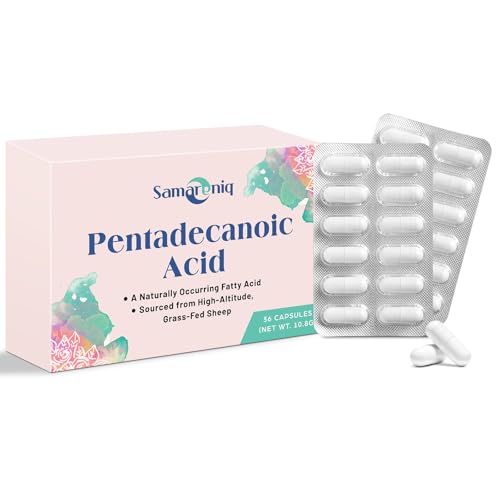
Subscription pricing and larger bottle sizes often bring the cost per milligram down substantially at many brands. If you have tried a product and it suits you, a 90- or 120-day supply purchase can be one of the most effective ways to reduce cost without changing what you are taking. Autoship discounts at direct-to-consumer brands frequently bring prices down 15 to 20 percent.
Safety and Practical Considerations at Any Price Point
C15:0 supplements have been generally well-tolerated at studied doses of 100 to 300 mg per day, with no serious adverse events reported in published research to date.[1] Because C15:0 is a fatty acid, taking it with a meal that contains some fat may support absorption, though this has not been rigorously studied for supplement forms specifically.
People who are pregnant, breastfeeding, managing a chronic illness, or taking prescription medications should consult a healthcare provider before adding any new supplement, including C15:0. No supplement — affordable or premium — can substitute for individualized medical guidance. The FDA has not evaluated C15:0 supplements for safety or efficacy in treating or preventing any condition, and the ‘essential fatty acid’ designation for C15:0 remains a scientific hypothesis, not a regulatory or mainstream nutrition consensus.
🛒 Where to Buy Pentadecanoic Acid (C15:0)

- Epitracker Fatty15 C15:0 Fatty Acid SupplementLab-tested / studied
capsules, 100 mg C15:0 per capsule; 1 capsule/day starter, 2 capsules/day maintenance — Category creator; the only C15:0 supplement backed by the original Epitracker research team (Venn-Watson et al.); uses a patented, sustainably-sourced pure C15:0 ingredient; most expensive per-capsule but reference product for all comparisons - Double Wood Supplements Pentadecanoic Acid C15:0
capsules, 200 mg C15:0 per serving (2 capsules) — One of the first genericized C15:0 supplements; significantly lower price than Fatty15; no independent clinical trials on this specific product; good option for budget-conscious buyers who want to trial the fatty acid - Sports Research Pentadecanoic Acid C15:0
softgels, 100 mg C15:0 per softgel — Established supplement brand with strong Amazon presence; third-party tested; softgel form may aid fat-soluble absorption; competitively priced mid-tier option - BulkSupplements Pentadecanoic Acid Powder (C15:0)
powder, 100–300 mg per measured serving — Most economical option for higher-dose protocols or stackers; requires a milligram-accurate scale; no excipients or additives; not recommended for beginners unfamiliar with powder dosing
As an Amazon Associate we earn from qualifying purchases. C15:0 products vary widely in how much pentadecanoic acid they actually contain, so check that the Supplement Facts panel lists C15:0 in milligrams as its own line item rather than bundling it into a fatty acid blend, and that the per-serving dose falls in the 100–300 mg range used in published research.
A Note on the Evidence
The research on C15:0 is still early-stage, largely consisting of smaller studies, and no C15:0 supplement has been approved by the FDA to treat or prevent any disease. If you are pregnant, breastfeeding, managing a chronic health condition, or taking prescription medications, consult a qualified healthcare provider before starting any new supplement.
Frequently Asked Questions
Is a cheap C15:0 supplement safe?
Safety depends more on product quality than price. A budget supplement with third-party testing and a properly disclosed dose is likely safer than an expensive one with vague labeling. C15:0 at studied doses of 100 to 300 mg per day has shown no serious adverse events in published research, but the FDA has not evaluated these products for safety or efficacy.

What dose of C15:0 should I look for in an affordable supplement?
Published research exploring C15:0 has generally used doses in the range of 100 to 300 mg per day. When comparing affordable options, ensure the product provides at least 100 mg per serving and confirm this is stated on the supplement facts panel, not just implied by the product name.
Do I need to take C15:0 with food?
Because C15:0 is a fatty acid, taking it with a meal that includes some dietary fat is a reasonable approach that may support absorption, consistent with how other fat-soluble nutrients behave. However, specific absorption studies for supplement-form C15:0 are limited, so this is practical guidance rather than a firmly established rule.
Are generic or store-brand C15:0 supplements as good as name brands?
A generic product can match a name brand if it meets the same quality standards: disclosed dose, clean ingredients, and a valid COA from an independent laboratory. Brand recognition does not guarantee quality, and a higher price does not by itself indicate a better product. Verify the COA and dose before assuming either direction.
Can I just eat more dairy to get C15:0 instead of buying a supplement?
Full-fat dairy products like whole milk, butter, and certain cheeses do contain C15:0 naturally, and dietary intake through food is a legitimate approach. However, the amounts found in typical servings are considerably lower than the 100 to 300 mg doses used in research studies, and dairy also carries other nutritional considerations. Whether food sources or supplementation is more appropriate depends on individual dietary patterns and health goals — a topic worth discussing with a healthcare provider.
Is C15:0 really an essential fatty acid?
The designation of C15:0 as an essential fatty acid is a hypothesis advanced by Epitracker researchers based on their findings about its proposed cellular roles. This classification has not been formally adopted by major regulatory bodies, dietary reference intake committees, or mainstream nutrition science as of the current date. It represents a promising area of research rather than established nutritional consensus.
References
- Robinson MK, Lee E, Ugalde-Nicalo PA, et al. Pentadecanoic Acid Supplementation in Young Adults with Overweight and Obesity: A Randomized Controlled Trial. The Journal of nutrition. 2024;154(9):2763-2771. PMID 39069269
These statements have not been evaluated by the Food and Drug Administration. This information is not intended to diagnose, treat, cure, or prevent any disease. Content is for informational purposes only and is not medical advice; consult a qualified healthcare provider before starting any supplement. As an Amazon Associate we earn from qualifying purchases.
